
DbcultAccessing Vault...
Director's Spotlight
Senior Film Conservator
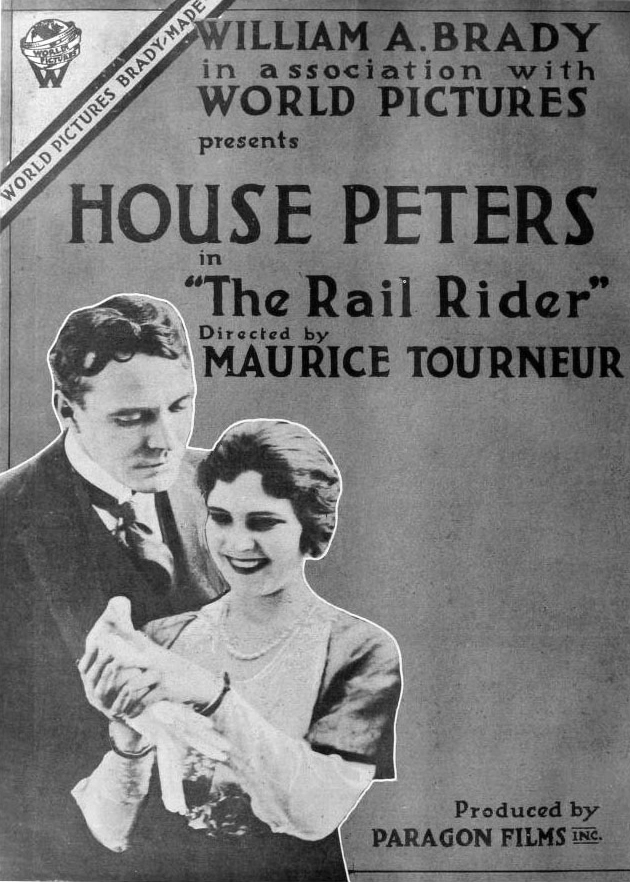
Director's Spotlight: United States
A Deep Dive into the 1916 Vision of Maurice Tourneur
Analyzing The Rail Rider (1916) requires a deep dive into the defining moment in cult history that Maurice Tourneur helped create. Defining a new era of United States artistic expression, it transcends regional boundaries to tell a universal story.
In The Rail Rider, Maurice Tourneur pushes the boundaries of conventional narrative. The film's unique approach to its subject matter has sparked endless debates and interpretations among cinephiles and critics alike.
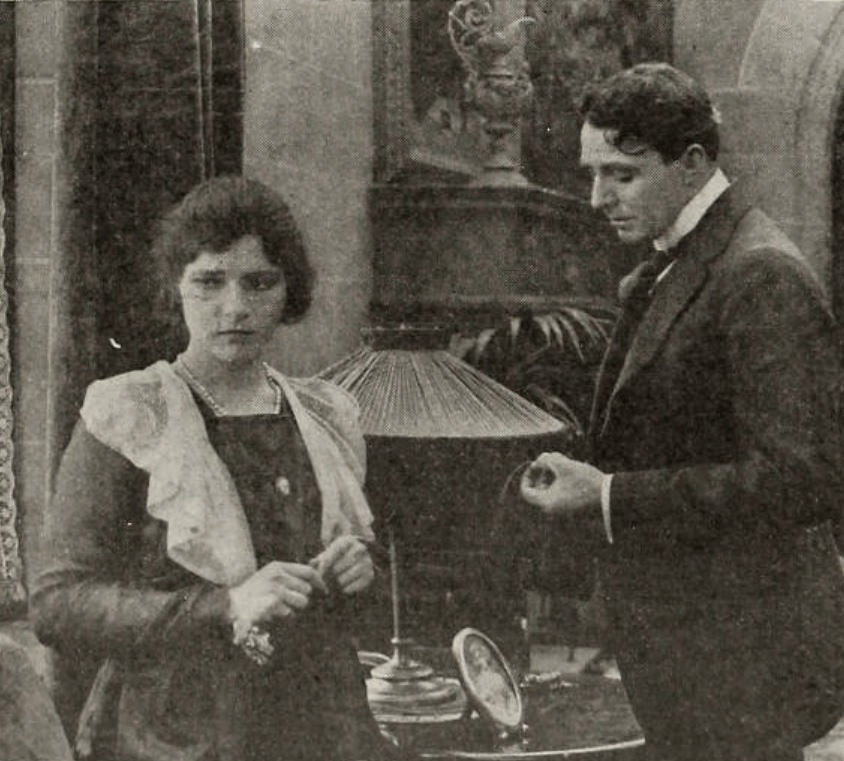
In this work, Maurice Tourneur explores the intersection of cult and United States cultural identity. The meticulous attention to detail suggests a deep-seated commitment to pushing the boundaries of the medium, ensuring that The Rail Rider remains a relevant topic of study for cult enthusiasts.
| Cinematography | High-Contrast |
| Soundtrack | Experimental |
| Editing | Elliptical |
| Art Direction | Expressionist |
Visualizing the convergence of Maurice Tourneur's style and the core cult narrative.
For 10 years the men of the D. and O., a short line, have been at the mercy of "B," supposedly Barker, president of the railroad. The line itself is run from the executive offices in New York, far distant, and none of the men have ever laid eyes of "B," yet the smallest transgression, accidental or otherwise, of the railroad's rigid and economical discipline results in a telegraphed order from "B," decreeing the fine, suspension or other punishment for the offender. Latterly, it has amounted to almost persecution and the men are on the verge of a strike. The climax comes when 48, the passenger train driven by Jim Lewis, goes off the rails on a soft spot and ties up the whole system for a day. When 48 finally limps into Wellsdale, the eastern terminus, "B's" decision is waiting for Lewis, two weeks' pay as a fine and six months' probation on a yard engine. The punishment starts a riot. The men agree to send Lewis to see Barker. Lewis calls on Barker. Barker receives Lewis, and instead of the hulky, brutal man he expected to find, Barker is an elderly, kind old gentleman, with a charming family. Mildred, his daughter, impresses Lewis. At last, Lewis, much bewildered, accepts an invitation to dinner with the family. In the morning Lewis learns that "B" is Brown, the manager. With a card from Barker he seeks an interview, but learns the manager has decamped, taking all the negotiable funds of the road. Lewis, thinking of the girl he met the night before, asks for and gets the job of running down "B." After considerable detective work he locates a man he has reason to believe is his quarry. With the aid of a bellboy, he gets a tip on the departure of the suspect and as the fleeing man enters a machine Lewis grabs him. There is a fight, which ends in Lewis's victory. Jim Lewis returns in triumph to New York with the stolen goods licked in a brand-new bag, and reaches Barker's house in the early evening, just as a group of D. and O. magnates are deciding that the road is gone and done for. Jim is the sort of stuff the road needs in its executive offices, and barker states that he is to come in to New York to be trained. Jim parts with Mildred on his way out, but to their mutual satisfaction it is only "au revoir." The future is rosy for Jim Lewis, and the boys of the road have gained more than they hoped when they sent him to see "B."
Decades after its release, The Rail Rider remains a vital piece of the cinematic puzzle. Its influence can be seen in countless modern works, solidifying Maurice Tourneur's status as a master of the craft in United States and beyond.