
DbcultAccessing Vault...
Director's Spotlight
Senior Film Conservator
Director's Spotlight: Germany
A Deep Dive into the 1929 Vision of Maurice Tourneur
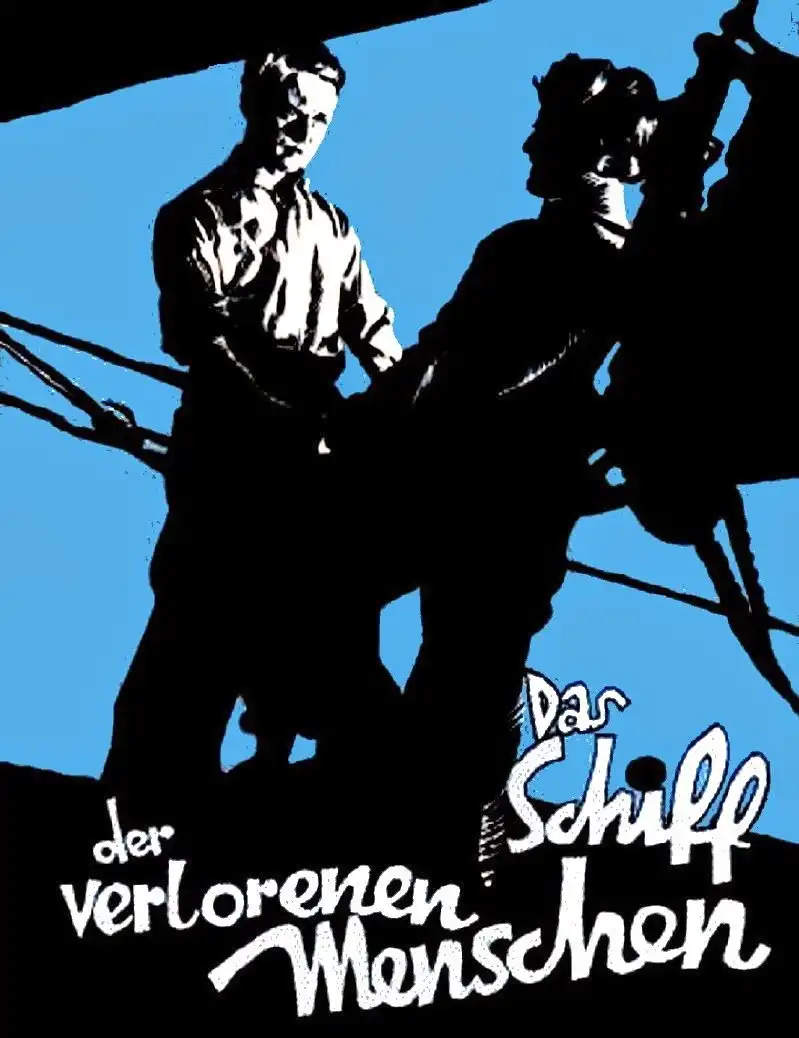
The brilliance of The Ship of Lost Men (1929) is inseparable from the visionary mind of its creator, Maurice Tourneur. Serving as a mirror to the anxieties of a changing world, it persists as a haunting reminder of our own cinematic history.
In The Ship of Lost Men, Maurice Tourneur pushes the boundaries of conventional narrative. The film's unique approach to its subject matter has sparked endless debates and interpretations among cinephiles and critics alike.

In this work, Maurice Tourneur explores the intersection of Thriller and Germany cultural identity. The meticulous attention to detail suggests a deep-seated commitment to pushing the boundaries of the medium, ensuring that The Ship of Lost Men remains a relevant topic of study for Thriller enthusiasts.
| Cinematography | Handheld |
| Soundtrack | Experimental |
| Editing | Elliptical |
| Art Direction | Expressionist |
Visualizing the convergence of Maurice Tourneur's style and the core Thriller narrative.
Vela, cynical captain of a slow, decrepit sailing ship, sells passage out of Germany to fugitives. His crew are no angels either. Cheyne, a young American doctor visiting the ship, is shanghaied on a 3-month voyage to Brazil when Vela abruptly embarks. In mid-ocean, Cheyne rescues the survivor of a watery plane crash, lovely American heiress Ethel Marley; he and the ship's cook keep her hidden from captain and crew. But a brutal incident leads to mutiny and murder, putting the two Americans in great danger...building to a cliffhanger climax.
Decades after its release, The Ship of Lost Men remains a vital piece of the cinematic puzzle. Its influence can be seen in countless modern works, solidifying Maurice Tourneur's status as a master of the craft in Germany and beyond.