
Cult Cinema
The Maverick's Archive: Unearthing the Proto-Cult DNA in Early Cinema's Unsung Visions
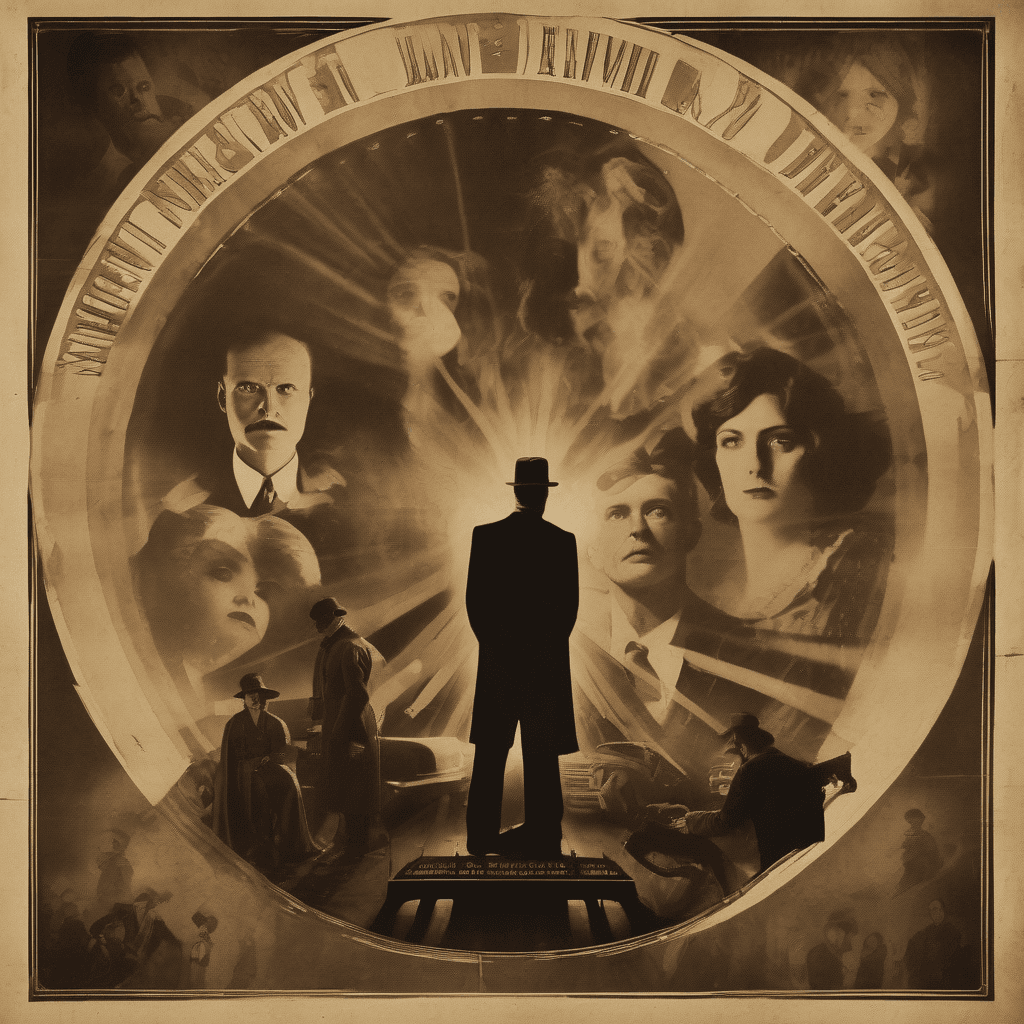
“Dive deep into the fascinating origins of cult cinema, exploring how the avant-garde narratives and transgressive spirit of early films laid the groundwork for today's most beloved niche phenomena. This editorial uncovers the enduring magnetism of cinematic outliers that defied mainstream convention…”
Long before midnight screenings and interactive audience participation became synonymous with the term, the seeds of what we now understand as cult cinema were being sown in the nascent years of the moving picture. It's a journey not just through film history, but through the very psychology of spectatorship, revealing how certain narratives, aesthetics, and thematic explorations resonated with audiences on a profound, often unconventional level. These weren't always box office titans or critical darlings upon release; rather, they were often cinematic anomalies, misunderstood masterpieces, or daring experiments that found their true champions years, even decades, later.
The very essence of a cult film lies in its ability to defy easy categorization, to challenge societal norms, and to foster an almost religious devotion among its followers. But where did this unique phenomenon begin? To truly understand the enduring allure of cult cinema, we must travel back to its primordial ooze – the silent era, a period of boundless innovation and raw storytelling, where the constraints of convention were still being written, and thus, frequently broken.
The Birth of Cinematic Rebellion: Early Outliers and Unconventional Narratives
The early 20th century was a wild west for filmmakers. Without established genres or strict commercial formulas, directors and writers had immense freedom to experiment. Many films from this era, while now largely forgotten by the mainstream, exhibit traits that would later define cult classics: a willingness to tackle controversial themes, a unique visual style, or a narrative structure that veered sharply from the predictable. Consider films that explored moral ambiguity and societal hypocrisy, such as The Confession, where a priest's sacred vow clashes with justice, or Under the Lash, delving into the oppressive grip of religious fanaticism and illicit love. These narratives, even in their early forms, challenged audiences to confront uncomfortable truths, laying the groundwork for the transgressive art that cult cinema would later champion.
The spirit of the outsider, the rebel, and the misunderstood protagonist is a recurring motif across cinematic history, and it finds fertile ground in these early works. We see this in stories of individuals battling against overwhelming forces, be it societal expectations or personal demons. Films like Oliver Twist, Jr., though a classic tale, highlights the struggle of the marginalized, a theme that resonates deeply with cult audiences who often feel a connection to the underdog or the unconventional. The sheer ambition in crafting epic narratives or exploring complex psychological states with nascent technology speaks to a pioneering spirit, a maverick vision that refused to be confined.
Genre Defiance and Proto-Pulp Sensibilities
While the term 'genre' was less rigidly defined, many early films already began to push boundaries. Comedies like The Paleface, starring the iconic Buster Keaton, blended slapstick with social commentary, creating a unique comedic voice. Action and adventure serials, such as Perils of Our Girl Reporters or The Secret of the Submarine, offered thrills and cliffhangers that built dedicated, if not yet 'cult,' followings. These films, with their exaggerated plots and often melodramatic performances, created a proto-pulp aesthetic that prioritized visceral entertainment and emotional impact over realism. This embrace of the fantastical and the over-the-top is a hallmark of many later cult favorites.
Even early dramas explored themes of identity, deception, and societal pressures in ways that might have felt jarring or uncomfortable to contemporary audiences. The Night of the Dub, with its tale of a clerk masquerading as a big-shot, or Body and Soul, exploring memory loss and dual identities, demonstrate an early fascination with psychological complexity and the fragility of self. These narratives, perhaps ahead of their time, offered glimpses into the human condition that were both unsettling and compelling, attracting viewers who sought something beyond the mundane.
The Allure of the Anomalous: Why Certain Films Resonate Deeply
What makes a film transition from mere entertainment to an object of obsessive devotion? Often, it's a combination of factors that coalesce to create a unique viewing experience. The early films, despite their technical limitations, often possessed a raw, unfiltered energy. The dramatic intensity of Passion (1919), depicting the life of Madame DuBarry amidst the French Revolution, or the exotic allure of The Virgin of Stamboul, offered audiences a window into worlds both grand and morally challenging. These were not always 'easy' watches, but they were memorable, leaving an indelible mark.
The concept of auteur vision, while more explicitly articulated later, was implicitly present in the distinct styles of early filmmakers. Their experimental approaches to cinematography, editing, and narrative construction often resulted in films that felt distinct, even alien, compared to their contemporaries. This uniqueness, initially a barrier to mass appeal, often becomes the very magnet for cult followers. Think of the bold visual storytelling in films like Die schwarze Pantherin or Nala Damayanti, which, even in their silent forms, pushed the boundaries of visual spectacle and narrative ambition.
Societal Reflection and Counter-Culture Echoes
Cult films often act as a mirror to society's anxieties, desires, and unspoken taboos. Even in the relatively conservative early 20th century, films touched upon themes of greed (Honest Hutch, Fool's Gold), infidelity (The Rummy, Green Eyes), and the darker side of human nature (The Sins of the Mothers). These explorations, sometimes veiled in melodrama, sometimes surprisingly direct, spoke to a segment of the audience that craved a reflection of their own complex realities, or perhaps, an escape into worlds that dared to be different.
The very act of seeking out and appreciating films that were overlooked or misunderstood by the mainstream is a counter-cultural gesture. When a film like Ghosts (1915), based on Ibsen's controversial play, tackled venereal disease and incest, it was undoubtedly pushing boundaries, attracting a more daring audience. This early engagement with challenging content created a lineage of viewers who valued cinematic subversion and intellectual provocation.
From Obscurity to Reverence: The Re-evaluation Phenomenon
Many films that later achieved cult status were initially commercial failures or critically dismissed. Time, however, has a way of revealing hidden depths and artistic merit. Early cinema is replete with examples of films that, while perhaps not 'cult' in the modern sense due to lack of widespread preservation or audience interaction, possessed the inherent qualities that would later be recognized. Consider the intricate plotting of Monsieur Lecoq or The Master Cracksman, early detective stories that built suspense and intrigue, captivating audiences who appreciated clever narratives. These films, along with others like His Majesty, the American, showcasing a bold American hero in a European revolution, or Somewhere in France with its spy intrigue, demonstrated an early capacity for engaging storytelling that transcended immediate trends.
The process of re-evaluation is crucial to the cult phenomenon. What was once considered odd, amateurish, or simply 'not for everyone' can, through the lens of history and evolving tastes, become celebrated for its originality, its accidental genius, or its profound impact on subsequent filmmakers. The raw energy and unpolished charm of films like The Pirates (1922) or A Petticoat Pilot, though perhaps simple in their ambitions, embody a directness and unpretentiousness that modern audiences often find refreshing and authentic. This authenticity, even in its earliest forms, is a powerful draw for those seeking something genuine in a often manufactured cinematic landscape.
The Power of the Unseen and the Rediscovered
A significant aspect of early cinema's contribution to cult film origins lies in its very obscurity. Many silent films were lost, damaged, or simply forgotten, only to be rediscovered and reappraised by film historians and dedicated cinephiles. This act of cinematic archeology feeds into the cult sensibility – the thrill of unearthing a hidden gem, a forgotten masterpiece that speaks to you across the decades. Films such as The Tiger's Cub, a drama set in Alaska, or South of Suva, an adventure in Fiji, transported audiences to exotic locales and explored themes of survival and self-discovery, offering a potent escapism that could easily foster dedicated viewership.
The aesthetic of silent film itself, with its reliance on visual storytelling, exaggerated performances, and often haunting musical accompaniment, possesses a timeless, almost dreamlike quality that can be deeply engaging. Films like Miarka, the Child of the Bear, with its unique premise and folkloric undertones, or The Marionettes, exploring themes of societal control and individual freedom, have an inherent strangeness that resonates with the cult sensibility. They stand apart, demanding a different kind of engagement from their audience.
The Enduring Legacy: From Silent Screens to Midnight Movies
The trajectory of cult cinema is long and winding, but its roots are undeniably embedded in the experimental and often unorthodox productions of the early film era. While the term 'cult film' as we know it gained prominence in the mid-20th century with films like *The Rocky Horror Picture Show* or *Eraserhead*, the fundamental elements – the challenging narrative, the unique aesthetic, the themes of rebellion and otherness, and the passionate, often niche audience – were present from cinema’s infancy.
Think of the sheer audacity in films that explored complex human relationships and societal pressures, such as Life (1920), a drama of love and betrayal, or When the Devil Drives, a tale of destructive romance. These films, with their intense emotional landscapes and often tragic outcomes, were not always designed for universal appeal, but for those who connected with their raw power, they offered an unforgettable experience.
The desire for films that deviate from the mainstream, that offer alternative perspectives, or that simply revel in their own bizarre logic, is a constant thread through cinematic history. From the dramatic twists of Three Sevens to the compelling character studies in Less Than the Dust, early filmmakers were inadvertently crafting the blueprint for what would become a global phenomenon. These films, in their original contexts, were often simply ambitious or experimental works trying to define a new art form. Yet, viewed through a modern lens, they reveal a profound connection to the rebellious spirit that fuels cult film fandom.
The Continued Relevance of Cinematic Oddities
Today, the fascination with cult cinema continues unabated, fueled by streaming services and digital restoration projects that bring forgotten gems back to light. This allows new generations to discover the cinematic oddities of the past, connecting with the same sense of discovery and appreciation for the unconventional that characterized early film audiences. Whether it's the intricate moral quandaries of The Guilt of Silence during the Alaskan gold rush, or the domestic dramas of Shore Acres and Home-Keeping Hearts, these films, despite their age, possess a timeless quality in their exploration of human nature and societal conflict.
The journey from the flickering silent screens to today’s digital platforms has seen the definition of 'cult film' expand, but its core remains unchanged: a film that resonates deeply with a specific, passionate audience, often outside the mainstream. The early films, with their diverse themes, experimental approaches, and willingness to challenge, were not just precursors; they were the original architects of cinematic subversion, laying down the foundational DNA for every beloved cult classic that followed. They remind us that the most enduring art often begins on the fringes, whispered among a dedicated few, before echoing through the annals of film history.
In conclusion, the rich tapestry of cult cinema is woven with threads that stretch back to the very dawn of the medium. The silent era, far from being a quaint precursor, was a crucible where daring filmmakers, unencumbered by rigid industry standards, crafted narratives that were bold, provocative, and profoundly human. These early cinematic experiments, even those now obscure, reveal the enduring human need for stories that challenge, enlighten, and ultimately, unite disparate groups of passionate viewers. The cult of cinema, in its truest form, is a testament to the power of film to transcend time and find its dedicated congregation, no matter how long it takes.
Community
Comments
Log in to comment.
Loading comments…