
DbcultAccessing Vault...
Director's Spotlight
Senior Film Conservator
Director's Spotlight: Spain
A Deep Dive into the 1917 Vision of Max André
To understand the modern evolution of Spain film, one must first look at Sangre y arena and the meticulous attention to detail that Max André applied to every frame. Reflecting the political and social shifts of the 1917s, it showcases the power of cult as a tool for social commentary.
In Sangre y arena, Max André pushes the boundaries of conventional narrative. The film's unique approach to its subject matter has sparked endless debates and interpretations among cinephiles and critics alike.
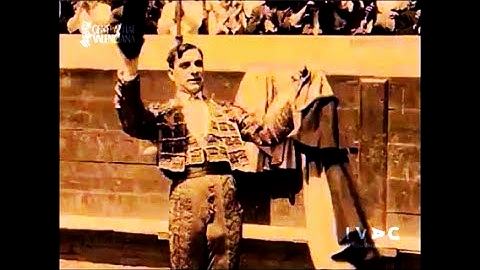
The visual language of Sangre y arena is defined by its use of shadows and framing, a hallmark of Max André's style. By utilizing a 1917-era palette, the film creates an immersive experience that perfectly complements its cult themes.
| Cinematography | High-Contrast |
| Soundtrack | Synth-Heavy |
| Editing | Disjunctive |
| Art Direction | Baroque |
Visualizing the convergence of Max André's style and the core cult narrative.
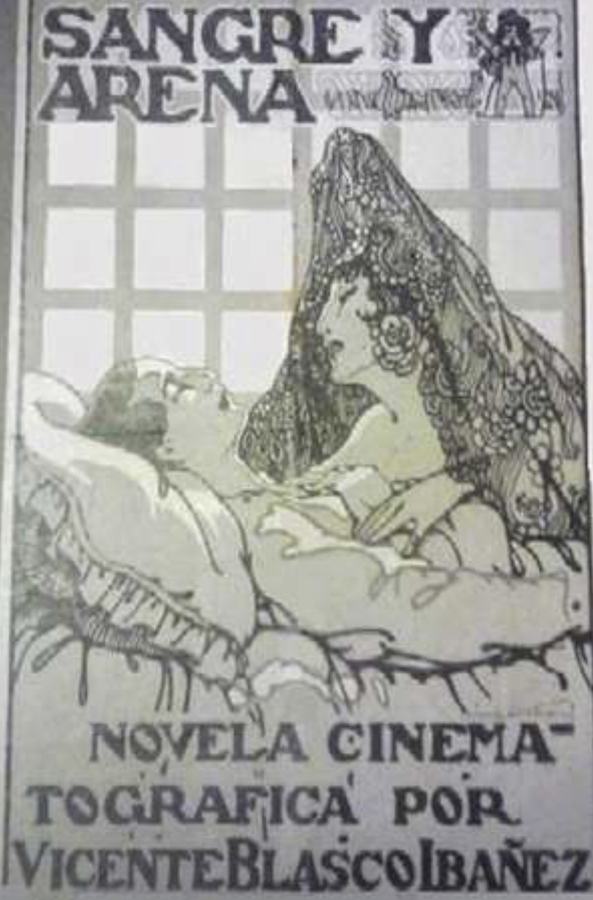
Juan Gallardo, a poor but ambitious young shoemaker's son in Southern Spain yearns to be a matador. To that end he and his companions set out for Seville where he eventually finds fame and fortune in the arena. Fawning admirers and parasites, beginning with his brother in law and sister, whom he sets up in their own business surround him. He marries his sweetheart Carmen, only to to neglect her when he meets a Dona Alvira, a man-eating femme fatale attracted to celebrities as long as they remain on top. He also meets a notorious bandit, Plumitas who terrorizes the local countryside and happily evades the law. Eventually, due to his obsession with Dona Elvira, Juan's skills begin to slip and his star begins to fade. His adoring followers drift away and he is fatally gored in the arena. Despite the efforts of the Doctor, Ruiz, he dies with his faithful wife Carmen at his bedside. At the same time, the bandit is recognized in the audience by a detective and is shot dead during an escape attempt, this fulfilling his prophecy that both he and Gallardo will die violently, Gallardo by the bulls and he by the firing squad.
Decades after its release, Sangre y arena remains a vital piece of the cinematic puzzle. Its influence can be seen in countless modern works, solidifying Max André's status as a master of the craft in Spain and beyond.