
DbcultAccessing Vault...
Director's Spotlight
Senior Film Conservator
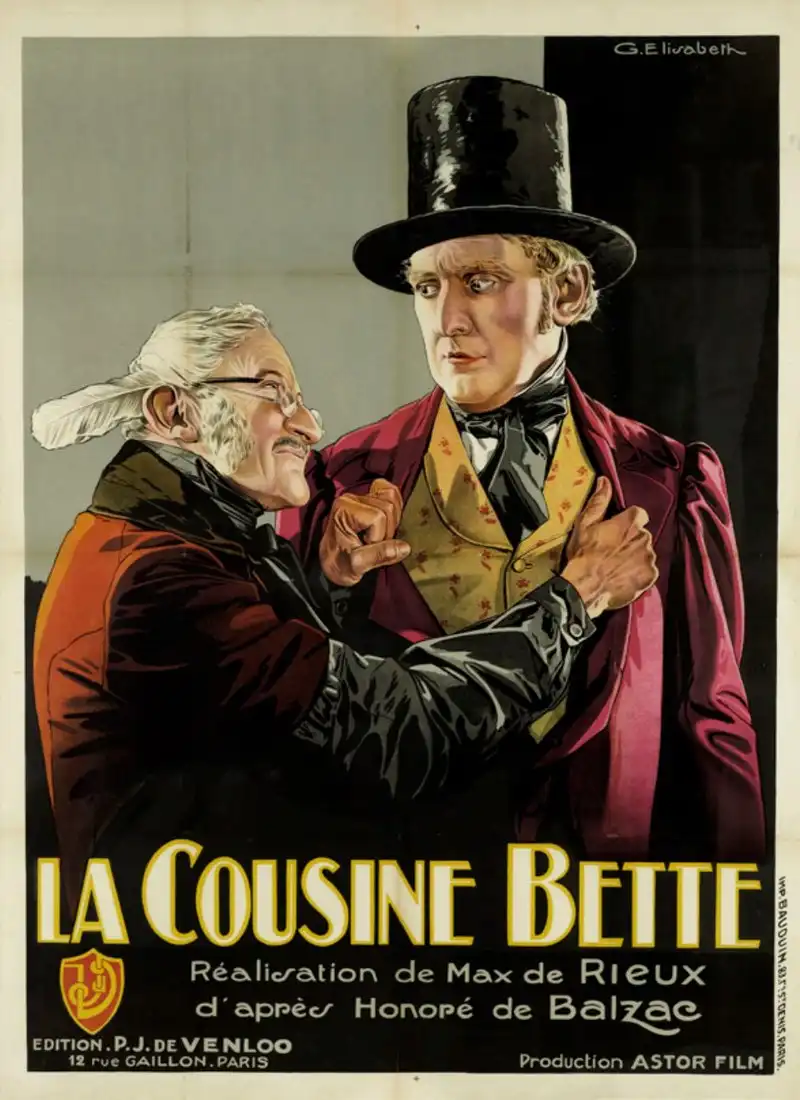
Director's Spotlight: France
A Deep Dive into the 1928 Vision of Max de Rieux
The brilliance of La cousine Bette (1928) is inseparable from a monumental shift in Comedy filmmaking spearheaded by Max de Rieux. Occupying a unique space between Comedy and pure art, it serves as a blueprint for future generations of Comedy directors.
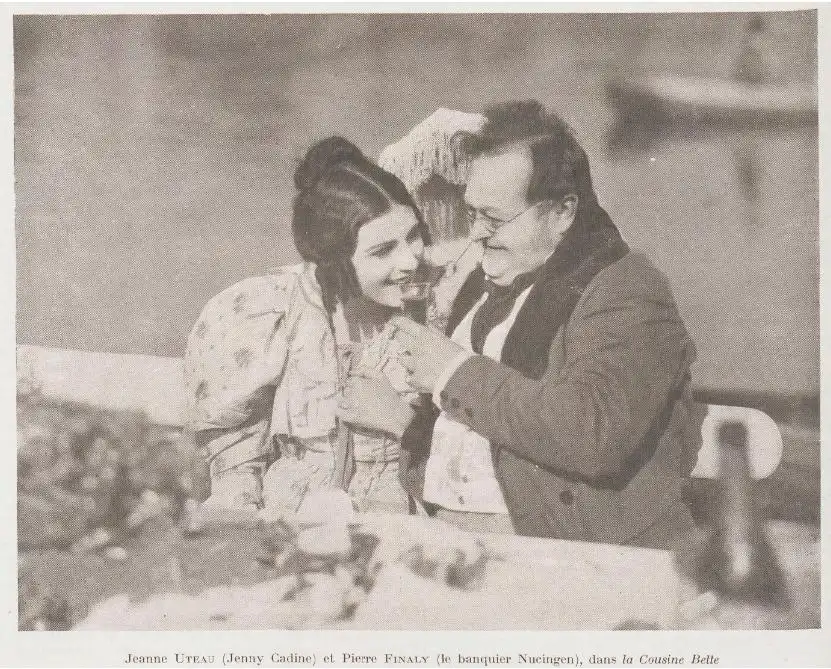
In La cousine Bette, Max de Rieux pushes the boundaries of conventional narrative. The film's unique approach to its subject matter has sparked endless debates and interpretations among cinephiles and critics alike.
| Cinematography | High-Contrast |
| Soundtrack | Synth-Heavy |
| Editing | Disjunctive |
| Art Direction | Baroque |
Visualizing the convergence of Max de Rieux's style and the core Comedy narrative.
A poor relative, cousin Bette is cast aside by a wealthy family. Embittered and jealous, she devotes herself to the systematic destruction of those around her. Max de Rieux's adaptation takes the decision to return to the initial meeting of the Hulot couple as if to show the degradation of the pure feelings and sublime aspirations of youth in bloody competition and irresistible perversion in materialist society.
Decades after its release, La cousine Bette remains a vital piece of the cinematic puzzle. Its influence can be seen in countless modern works, solidifying Max de Rieux's status as a master of the craft in France and beyond.