
DbcultAccessing Vault...
Director's Spotlight
Senior Film Conservator
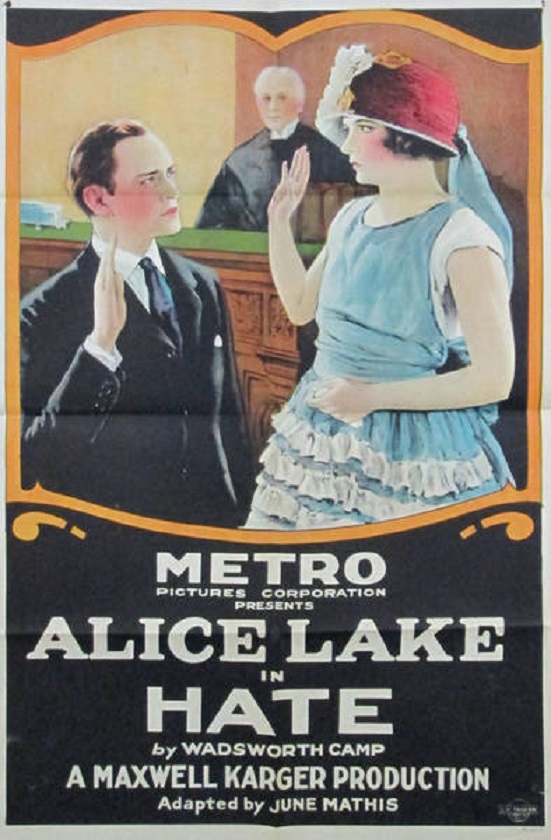
Director's Spotlight: United States
A Deep Dive into the 1922 Vision of Maxwell Karger
When we examine the cinematic landscape of United States, Hate emerges as a landmark work of the unique directorial voice that Maxwell Karger brought to the screen. This film stands as a masterclass in visual storytelling, it demands to be seen by anyone who cares about the art of film.
In Hate, Maxwell Karger pushes the boundaries of conventional narrative. The film's unique approach to its subject matter has sparked endless debates and interpretations among cinephiles and critics alike.
| Cinematography | Noir-Inspired |
| Soundtrack | Synth-Heavy |
| Editing | Disjunctive |
| Art Direction | Baroque |
Visualizing the convergence of Maxwell Karger's style and the core Crime narrative.
Gamblers Dave Hume and Ed Felton are rivals for the love of Babe Lennox, a chorus girl. Hume informs on Felton, and though the latter is arrested he is released on bail, and Talbot, the attorney, warns Hume to stay clear of him. Hume, who is in ill health, determines to commit suicide, making it appear that Felton killed him; and (concealing a record of his plans on a small statuette) he makes a wager with Felton that he can do so. When Hume is found dead, Talbot prosecutes the case against Felton, and just as Felton is about to be electrocuted Babe delivers the statue by which his innocence is proved. Babe, who had denounced Talbot for having convicted Felton, acknowledges her love for him; and all ends well.
Decades after its release, Hate remains a vital piece of the cinematic puzzle. Its influence can be seen in countless modern works, solidifying Maxwell Karger's status as a master of the craft in United States and beyond.