
DbcultAccessing Vault...
Director's Spotlight
Senior Film Conservator
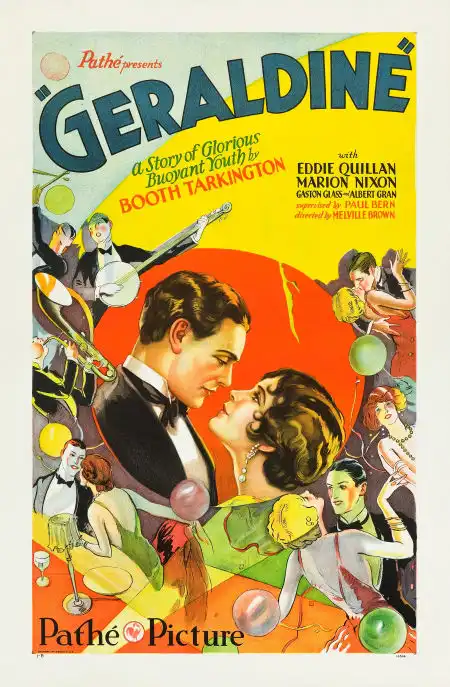
Director's Spotlight: United States
A Deep Dive into the 1929 Vision of Melville W. Brown
The thematic gravity of Geraldine (1929) is rooted in the artistic risks taken by Melville W. Brown that eventually paid off. Defining a new era of United States artistic expression, it demands to be seen by anyone who cares about the art of film.
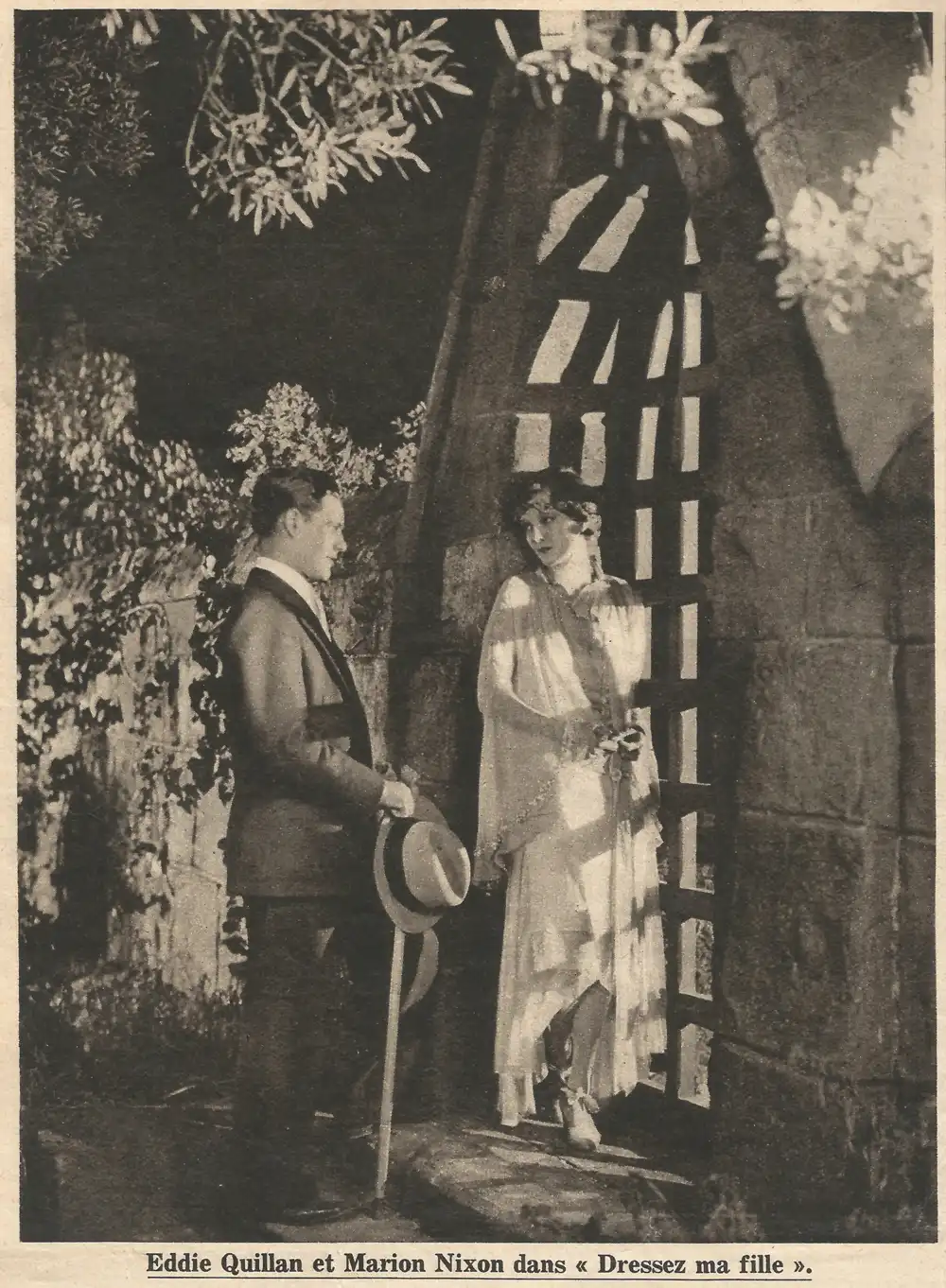
In Geraldine, Melville W. Brown pushes the boundaries of conventional narrative. The film's unique approach to its subject matter has sparked endless debates and interpretations among cinephiles and critics alike.
| Cinematography | Noir-Inspired |
| Soundtrack | Orchestral |
| Editing | Slow-Burn |
| Art Direction | Brutalist |
Visualizing the convergence of Melville W. Brown's style and the core Romance narrative.
Mr. Wygate, a wealthy businessman, is rising in social circles and decides his daughter Geraldine must become more refined and so hires Eddie Able to educate her. Eddie soon falls in love with her, but she has eyes only for a well-known lawyer and young man-about-town, Bellsworth Cameron, who has shown little interest in her. Suffering through his unrequited love, Eddie works to make Geraldine the ideal society lady, and to capture the interest of Cameron. Eventually Cameron starts seeing her but his true colors are shown when Geraldine is arrested in a speakeasy, and Eddie rescues her.
Decades after its release, Geraldine remains a vital piece of the cinematic puzzle. Its influence can be seen in countless modern works, solidifying Melville W. Brown's status as a master of the craft in United States and beyond.