
DbcultAccessing Vault...
Director's Spotlight
Senior Film Conservator
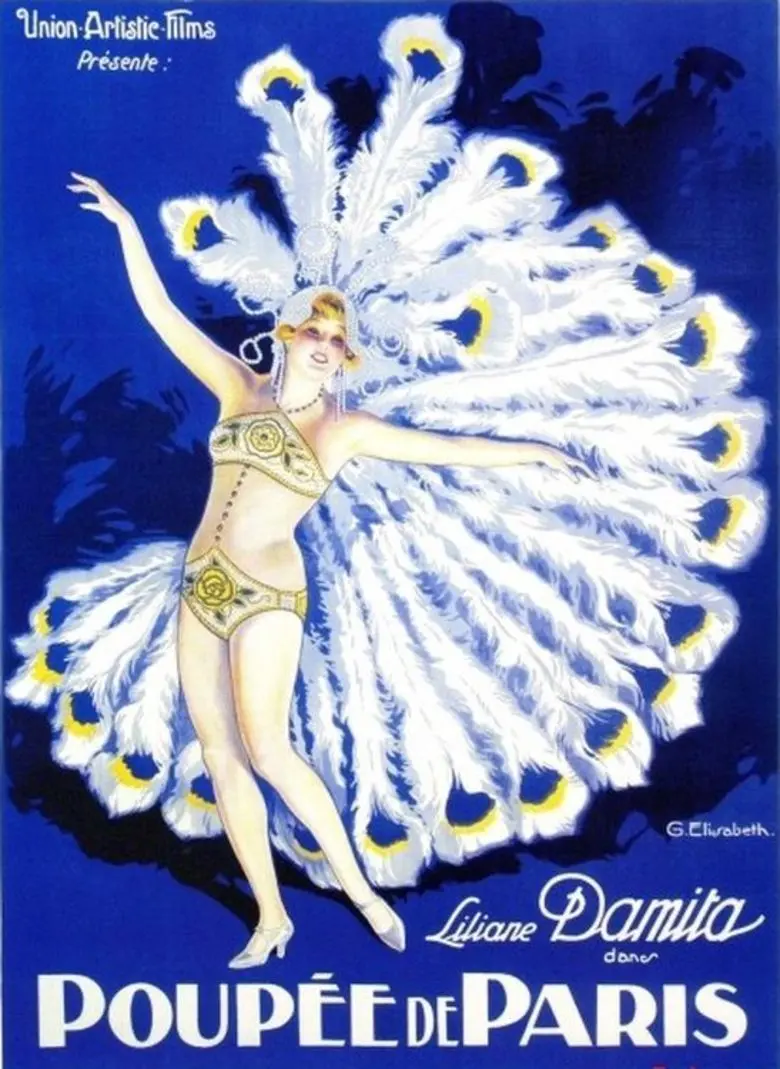
Director's Spotlight: Germany
A Deep Dive into the 1925 Vision of Michael Curtiz
When we examine the cinematic landscape of Germany, Das Spielzeug von Paris emerges as a landmark work of the enduring legacy of Michael Curtiz's artistic contribution to the genre. Through a lens of existential fatalism and Drama tropes, it captures a specific kind of cinematic magic that is rarely replicated.
In Das Spielzeug von Paris, Michael Curtiz pushes the boundaries of conventional narrative. The film's unique approach to its subject matter has sparked endless debates and interpretations among cinephiles and critics alike.
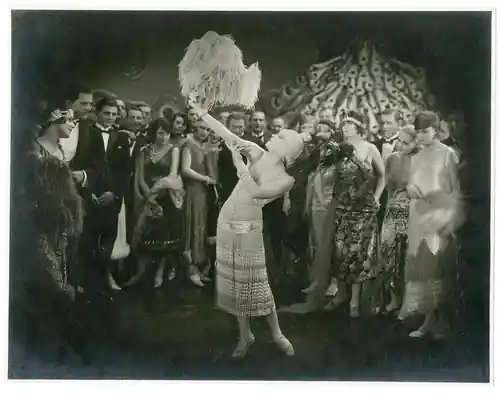
The visual language of Das Spielzeug von Paris is defined by its use of shadows and framing, a hallmark of Michael Curtiz's style. By utilizing a 1925-era palette, the film creates an immersive experience that perfectly complements its Drama themes.
| Cinematography | Handheld |
| Soundtrack | Orchestral |
| Editing | Slow-Burn |
| Art Direction | Brutalist |
Visualizing the convergence of Michael Curtiz's style and the core Drama narrative.
A British playboy in Paris marries a dancer and convinces her to give up her career to move to a small cottage in the country. One night at a party given by her former manager, she is persuaded to perform one of the dances she was renowned for. That leads to a fight with her husband, who runs out of the party in the middle of a raging storm. Her subsequent search for him ends up placing her life in danger.
Decades after its release, Das Spielzeug von Paris remains a vital piece of the cinematic puzzle. Its influence can be seen in countless modern works, solidifying Michael Curtiz's status as a master of the craft in Germany and beyond.