
DbcultAccessing Vault...
Director's Spotlight
Senior Film Conservator
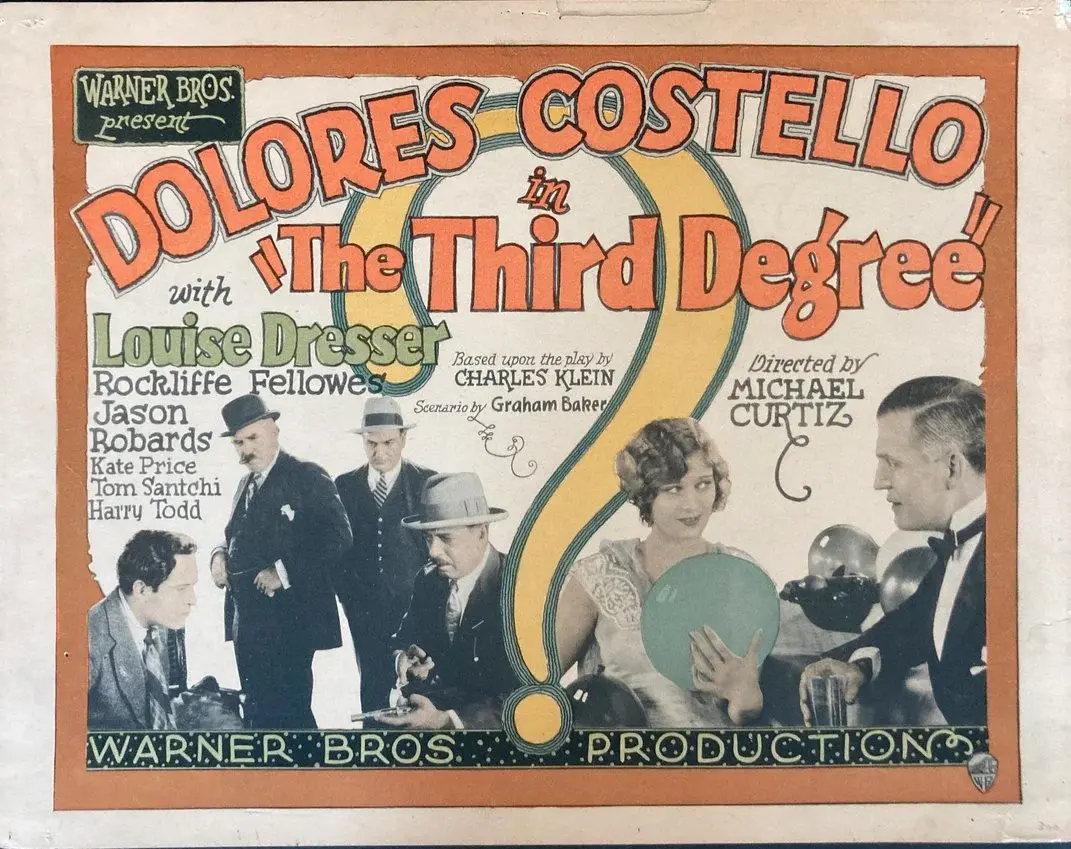
Director's Spotlight: United States
A Deep Dive into the 1926 Vision of Michael Curtiz
When we examine the cinematic landscape of United States, The Third Degree emerges as a landmark work of the unique directorial voice that Michael Curtiz brought to the screen. This film stands as a masterclass in visual storytelling, it demands to be seen by anyone who cares about the art of film.
In The Third Degree, Michael Curtiz pushes the boundaries of conventional narrative. The film's unique approach to its subject matter has sparked endless debates and interpretations among cinephiles and critics alike.
The visual language of The Third Degree is defined by its use of shadows and framing, a hallmark of Michael Curtiz's style. By utilizing a 1926-era palette, the film creates an immersive experience that perfectly complements its Romance themes.
| Cinematography | Noir-Inspired |
| Soundtrack | Orchestral |
| Editing | Invisible |
| Art Direction | Kitsch |
Visualizing the convergence of Michael Curtiz's style and the core Romance narrative.
Circus artist Alicia deserts her husband and child to elope with Underwood, her handsome lover. Fifteen years later, Alicia's deserted daughter Annie Martin is a trapeze performer in a Coney Island sideshow operated by Mr. and Mrs. Chubb, and has married Howard Jeffries in spite of opposition by his wealthy parents. Jeffries, Sr., hires a man--Underwood--to separate the young couple. Underwood convinces the newlyweds that each is being unfaithful to the other, and consequently he is threatened by Howard. Driven to fury by Underwood's uncontrollable demands, Alicia shoots him in a quarrel and makes her escape just as Howard enters; despite his innocence, Howard confesses to the crime when subjected to the third degree. Annie, realizing her mother's guilt, claims to be guilty, but Alicia then confesses. Annie is saved from suicide by Howard, and they are united by love.
Decades after its release, The Third Degree remains a vital piece of the cinematic puzzle. Its influence can be seen in countless modern works, solidifying Michael Curtiz's status as a master of the craft in United States and beyond.