
Cult Cinema Deep Dive
The Midnight Mosaic: Piecing Together the Primal Spirit of Cult Cinema’s Early Architecture
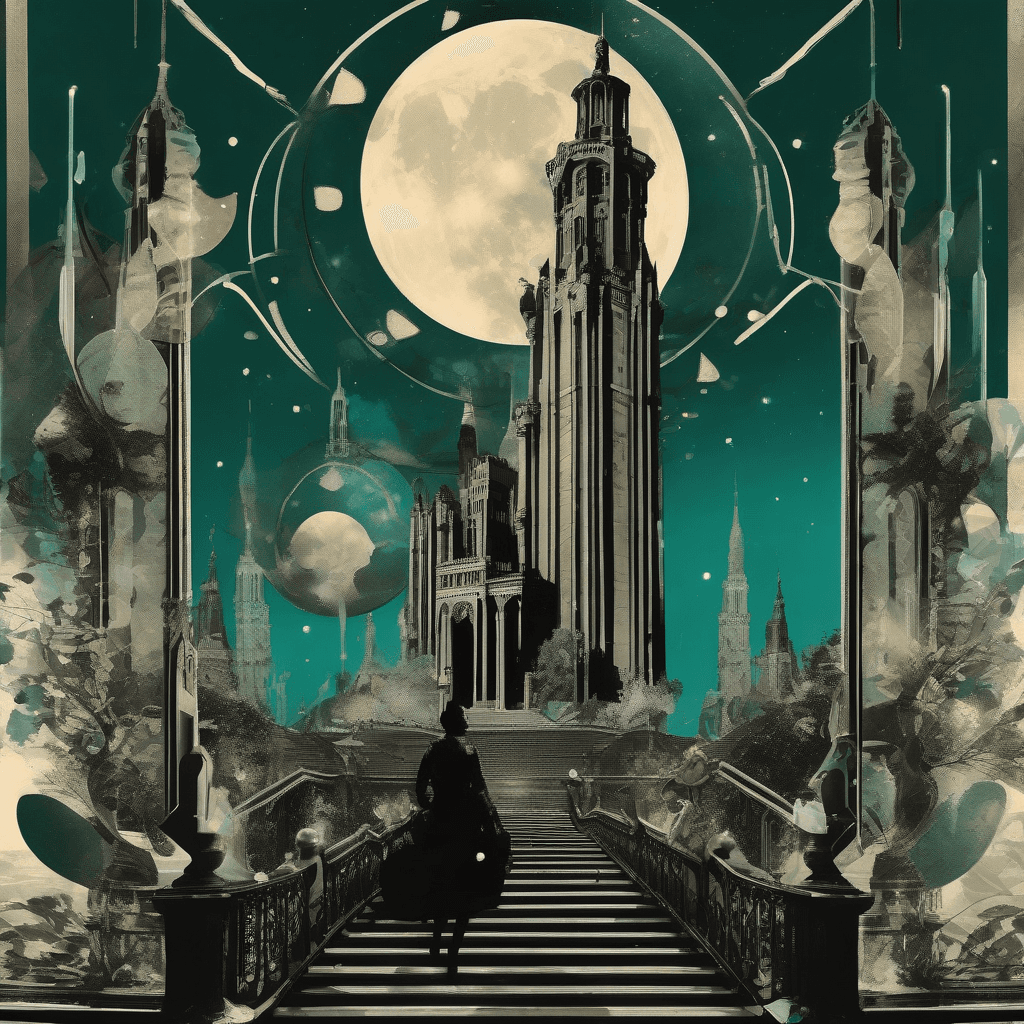
“Explore the foundational roots of cult cinema through the lens of early 20th-century outliers, where melodrama, mythology, and social transgression first ignited the spark of niche devotion.”
The concept of cult cinema is often associated with the neon-soaked midnight screenings of the 1970s or the transgressive video-nasty era of the 1980s. However, to truly understand the DNA of cinematic devotion, one must look further back into the flickering shadows of the silent and early sound eras. This was a time when the medium was still defining its boundaries, and the films that dared to step outside the nascent mainstream—whether through technical audacity, thematic deviance, or sheer narrative eccentricity—laid the groundwork for what we now recognize as the cult phenomenon. This long-form exploration dives into the Midnight Mosaic, a collection of early cinematic outliers that prove the spirit of the 'cult' is as old as the camera itself.
The Divine and the Damned: Spectacle as Sacred Ritual
Cult cinema often thrives on the 'otherworldly,' providing audiences with a visual language that transcends the mundane. In the early 20th century, this was frequently achieved through massive mythological undertakings. Consider the sheer scale of Nala Damayanti. As a big-budget depiction of an episode from the 'Mahabharata,' it didn't just tell a story; it constructed a universe. From Narada’s ascent of Mount Meru to the transformation of gods in the clouds, the film utilized the 'spectacle' as a form of communal experience. This is the root of cult devotion: the desire to witness the impossible. When a film like Jack and the Beanstalk translates a well-worn fairy tale into a visual odyssey of magic beans and giant-slaying, it taps into a primal need for wonder that bypasses traditional critical metrics.
Cursed Reels and Fatalistic Fables
Another pillar of the cult experience is the 'cursed' narrative—films that carry an aura of mystery or impending doom. Les cinq gentlemen maudits serves as a perfect early example. The story of an African soothsayer predicting death for five Westerners creates a tension that exists both within the frame and in the mind of the viewer. This fascination with the macabre and the fatalistic is a recurring theme in niche fandoms. It is the same energy that draws viewers to The Riddle: Woman, where the clutches of a master blackmailer create a claustrophobic, high-stakes drama that feels dangerously intimate. These films weren't just entertainment; they were exercises in psychological endurance, a hallmark of the transgressive cinema that would follow decades later.
The Social Fringe: Taboos and the Architecture of Morality
While the mainstream often seeks to reinforce social norms, cult cinema has always been a sanctuary for the 'blot' on the social fabric. Lois Weber’s The Blot is a masterclass in this regard. By juxtaposing the lives of unmotivated wealthy students with the struggles of a poor professor’s family, the film highlights class disparities with a clinical, almost uncomfortable honesty. It is this willingness to point the camera at the uncomfortable truths of society that creates a lasting, devoted following. Cult audiences don't want the sanitized version of reality; they want the grit and the friction.
Addiction, Deception, and the Human Condition
The exploration of human vice has always been a magnet for cult-adjacent audiences. Das Laster (The Vice) takes a harrowing look at alcoholism as a hereditary curse. By portraying Paul’s inability to escape his father’s shadow, the film ventures into the territory of social horror. Similarly, The Microscope Mystery uses a medical swindle to explore the vulnerability of the human condition. When a wealthy hypochondriac is exploited by a fraudulent physician, the film touches on a fear of the 'expert' that remains relevant today. These narratives of deception and addiction, such as those found in The Heart of Rachael or As a Man Thinks, offered a darker, more complex reflection of life that the escapist fare of the time avoided.
The Maverick Spirit: Performance and Persona
At the heart of every cult film is a performance or a creative voice that refuses to be ignored. The film Kean, which chronicles the life of the actor Edmund Kean, is a meta-commentary on the nature of celebrity and the 'cult of personality.' Kean, adored by fans but plagued by his own liaisons and ego, embodies the archetypal 'tortured artist' that cult audiences frequently champion. This fascination with the performer extends to films like The Idol of the North, where the dance-hall girl Colette Brissac must navigate a world of rough men and ambitious rivals. The strength of the individual against the crushing weight of circumstance is a narrative engine that never loses its power.
Genre Mutations and the Birth of the Weird
Cult cinema is defined by its refusal to stay within the lines of a single genre. We see early 'genre-bending' in works like The Lost City, where Americans wander into a hidden village, blending adventure, princess-rescue tropes, and a touch of the exotic. This 'pulp' sensibility is the ancestor of the modern B-movie. Even in shorter formats, like The Scarecrow or Friday the 13th (the 1916 comedy), we see the seeds of dark humor and slapstick violence that would eventually evolve into the 'splatstick' of the 80s. These films were experimenting with the kinetic energy of the medium, testing how much chaos an audience could handle.
The Allure of the Lost and the Obscure
Part of the 'cult' mystique is the rarity of the object itself. Many films from this era, such as The War Bride's Secret, Hearts United, or Lonesome Hearts and Loose Lions, exist now primarily as titles in an archive or as fragmented memories. This scarcity creates a 'treasure hunter' mentality among cinephiles. The act of seeking out a screening of Den kulørte slavehandler or A senki fia becomes a pilgrimage. The film is no longer just a movie; it is a relic of a forgotten world. This is particularly true for international works like De kantwerkster van Brugge or Fürst Seppl, which offer a glimpse into cultural sensibilities that have since shifted or vanished.
The Romantic and the Revolutionary
Even the most traditional-sounding titles often contain the seeds of rebellion. The Girl of My Heart, while framed as a Christmas Eve romance, deals with themes of escape from cruelty and the 'white plague' (tuberculosis), adding a layer of social weight to its sentimental core. The Spitfire and Alias Mike Moran utilize the tropes of the 'wrongly accused' or the 'secret identity' to explore themes of honor and class-climbing. These stories resonate with the cult audience’s penchant for the underdog—the character who must subvert the system to survive. Whether it's a waitress rounding up spies in Some Job or a reporter getting tangled in political rivalry in Framing Framers, the 'outsider' perspective is always the primary point of entry.
Conclusion: The Eternal Flame of the Unconventional
As we look back at this Midnight Mosaic, it becomes clear that cult cinema is not a modern invention but a perennial state of being. It is the result of a specific alchemy between a daring creator and a receptive, often marginalized, audience. From the sweeping historical drama of War and Peace to the intimate, jealousy-fueled violence of Das Ende vom Liede, these films challenged their contemporary viewers to see more, feel more, and question more. They were the original 'misfits' of the marquee, the films that didn't quite fit the mold and, in doing so, created a new one.
Today, when we celebrate a modern cult classic, we are echoing the same devotion that led an audience in 1917 to marvel at the ship-building of Peter the Great or the circus-born revelations of A Circus Romance. The technology has changed, the colors have brightened, and the sound has become immersive, but the core remains the same: we are all searching for that secret handshake, that hidden reel that speaks to our unique, strange, and wonderful human experience. The early century's fringe wasn't just a precursor; it was the foundation of the temple where we still worship today.
Community
Comments
Log in to comment.
Loading comments…