Summary
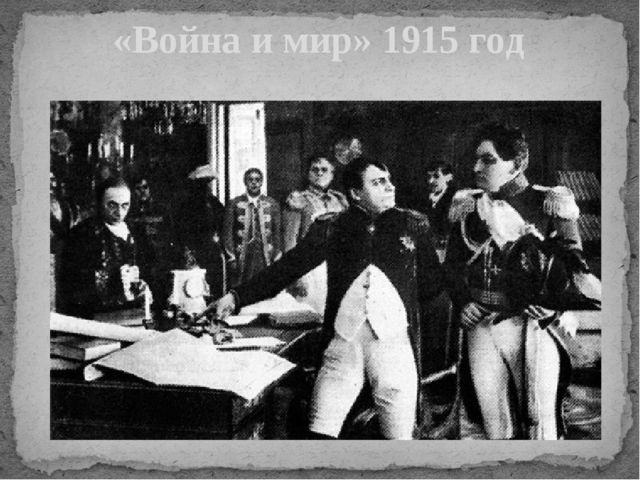
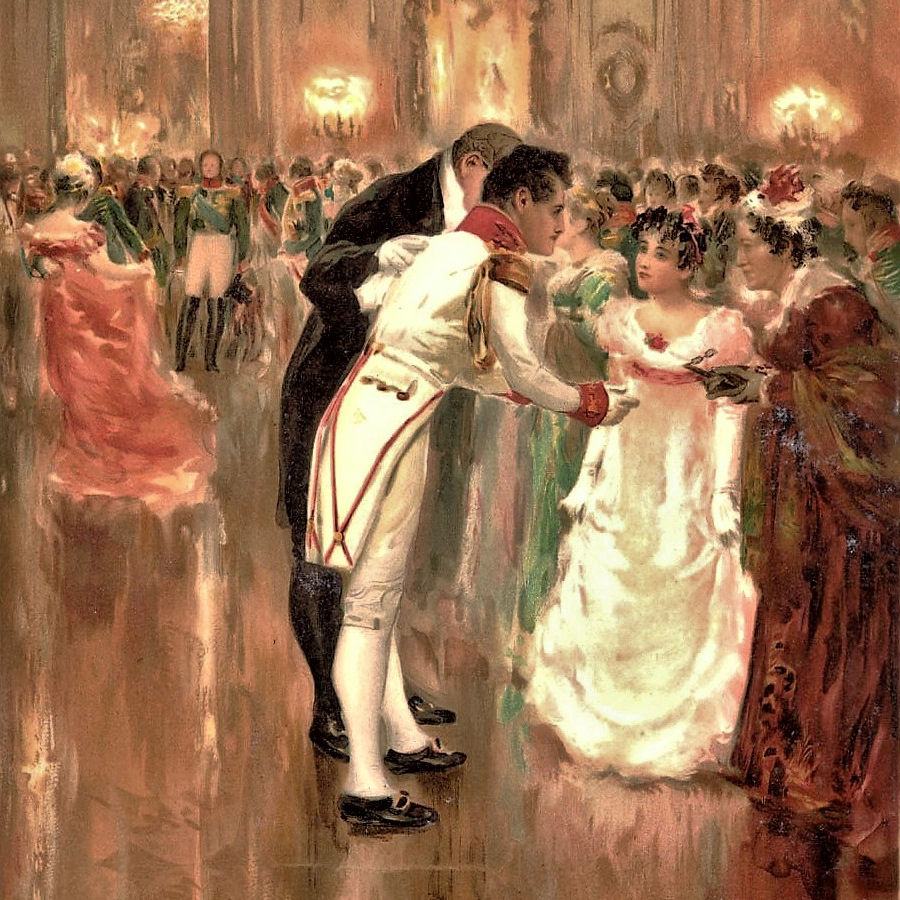
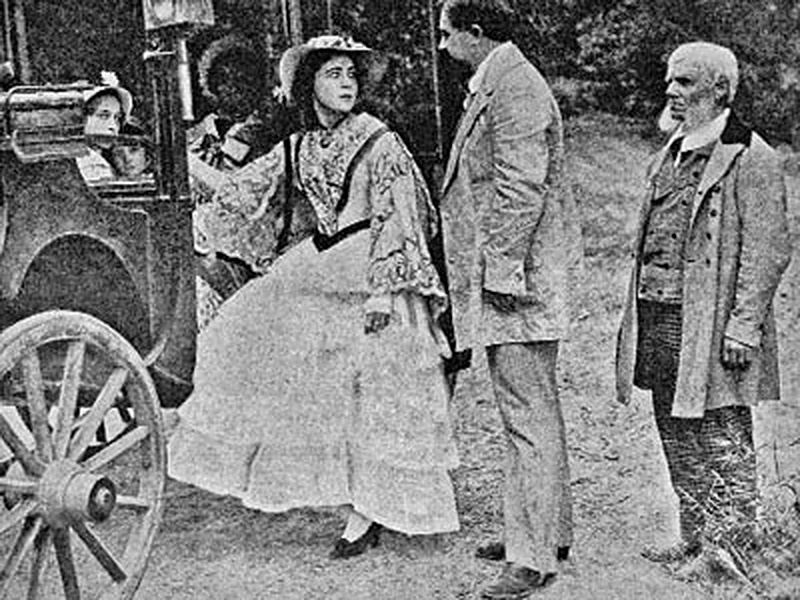
Tsarist ballroom chandeliers flicker like fragile constellations above perfumed décolletage while Napoleonic cannonades rumble beyond the horizon; into this chiaroscuro of wax and gunpowder stride five noble houses whose bloodlines knot, fray, and re-knot as violently as the Grande Armée’s supply lines. Pierre Bezukhov, awkward heir to incomprehensible wealth, wanders through salons and Freemason lodges searching for a moral compass, only to inherit insomnia and a wife who courts scandal with the same fervor he courts redemption. Prince Andrei Bolkonsky, carved from ice and ambition, charges Austerlitz’s dawn mist convinced that glory will outrun death; the sky answers with smoke that swallows his men and leaves him clutching a tiny oak sprig, emblem of resurrection or rot—he cannot decide which. Natasha Rostova, fifteen and trembling with song, believes love is a waltz that never ends until Anatole Kuragin’s wolf-smile teaches her that time is a guillotine; her howl of disgrace ricochets through drawing-rooms, transforming ball gowns into shrouds. Sonya, poor and luminous, waits for a cousin’s promise to crystallize while Nikolai Rostov gambles away regimental honor in smoke-choked canteens. Off-screen, Napoleon lounges on the Imperial throne like a bored demiurge, dispatching half a million souls toward the white paralysis of the Russian winter; the camera, however, lingers on a single troika’s bells jingling above the snow-blind road, a sound that outlives empires. When Moscow burns it is not the scarlet of flames but the ashen white of icons that stains the lens, as if history itself were being inverted into negative. Kutuzov, eyelids drooping over maps, orders retreat and is hailed as savior; in the silence after Borodino, widows scrape frozen claret mud from their husbands’ frozen faces, and Pierre, disguised in rags, is captured for the crime of looking too long at the night sky. The final reel dissolves from battlefield to thawing river: two silhouettes—Pierre and Natasha, stripped of pedigree—watch spring water gnaw at the remnants of an ice-jam, and the cut is so abrupt that the audience must decide whether the crack is the river speaking or the heart.
Napoleon's tumultuous relations with Russia including his disastrous 1812 invasion serve as the backdrop for the tangled personal lives of five aristocratic Russian families.
Review Excerpt
"
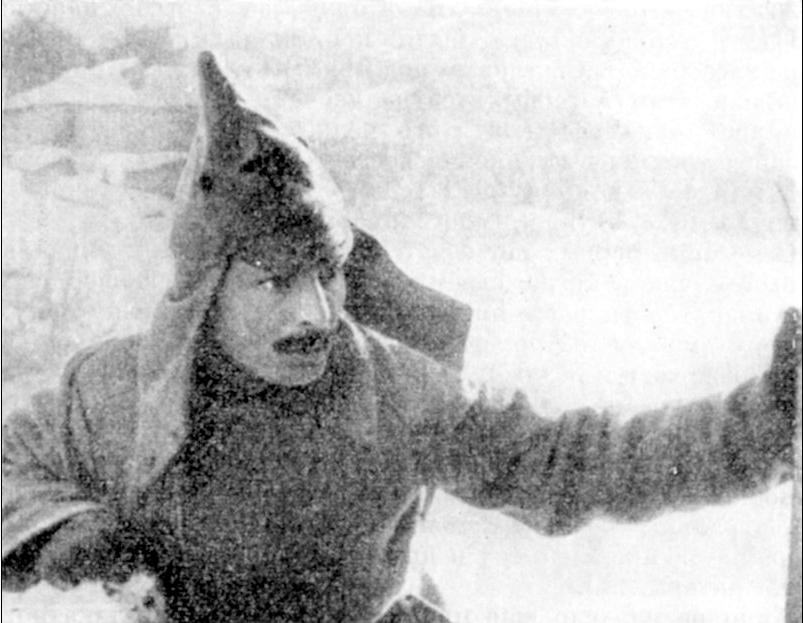
There is a moment—three quarters through Vladimir Gardin’s 1915 behemoth—when the celluloid itself seems to shiver, as though the nitrate has absorbed the 40-below frost of the retreat from Moscow.
The frame freezes on a half-buried icon of St. George, its gilt flaking like sunburnt skin, while somewhere off-camera a French dragoon’s sabre scrapes bone. That single still contains the entire dialectic Gardin and Protazanov pursue: sanctity vs steel, Orthodoxy vs Empire, a country so vast it can ..."