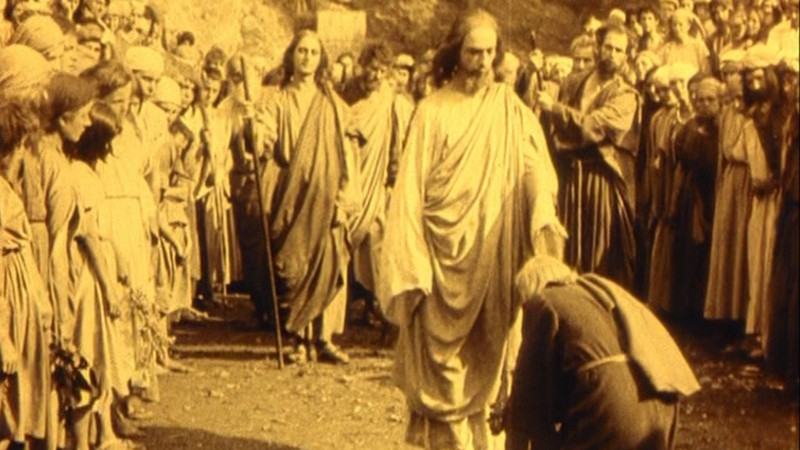
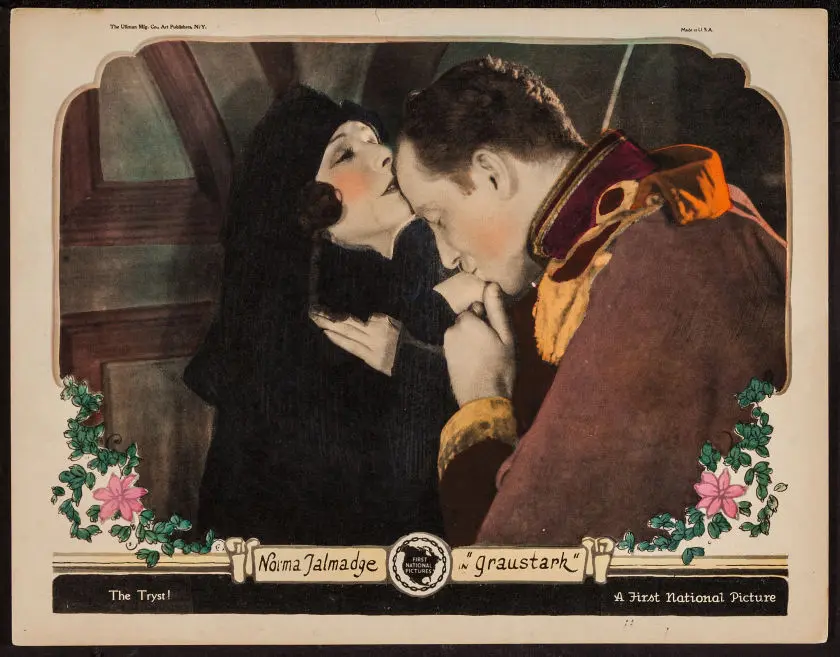
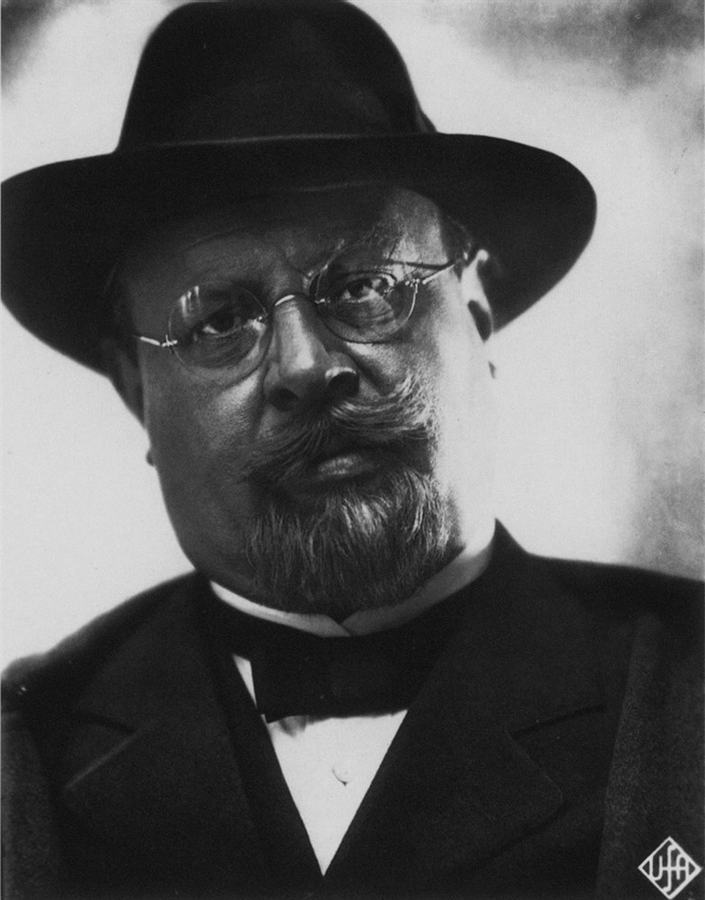
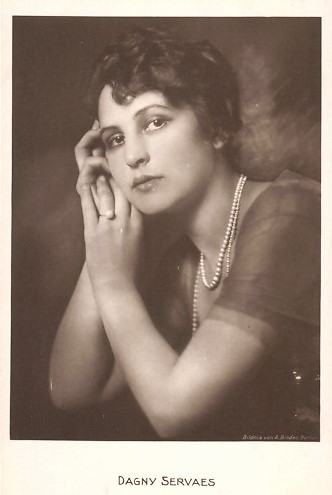
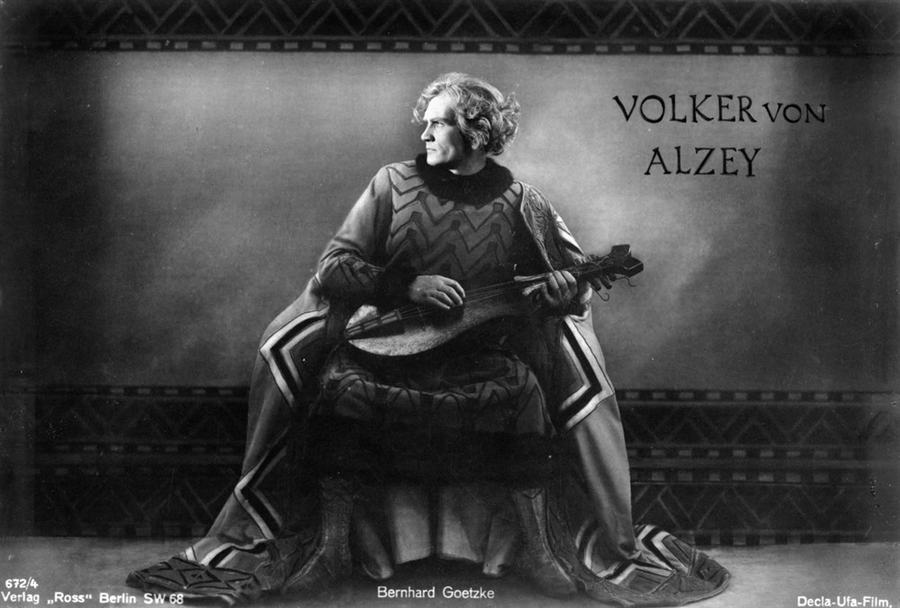
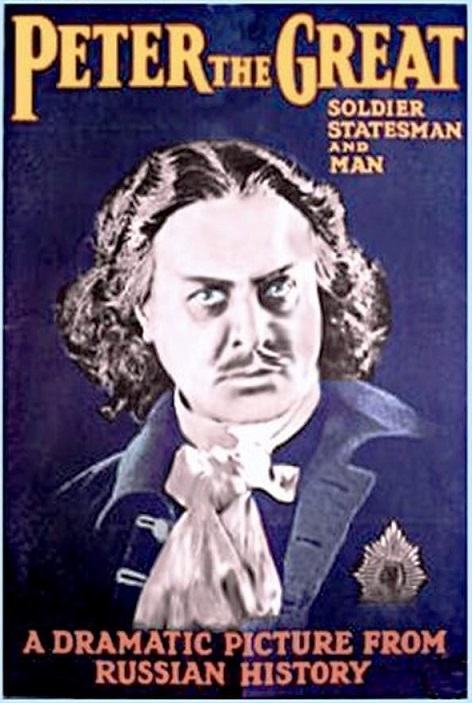
Peter the Great, on becoming czar of Russia, using his knowledge of shipbuilding gained in a foreign country to establish a navy, and to be able to use the navy, provokes a war with Sweden, defeating that country at the battle of Poltava. This battle marks a turning point with Peter and with Russia, his only son proves a coward, he meets a girl refugee and finally makes her his empress, he alienates the church and many nobles.
The first thing that strikes you is the scale—no, not the scale of sets, though Ufa poured enough lumber into Petrograd back-lots to refloat the Swedish armada. I mean the moral scale: a man who enlarges his country by shrinking his own soul. Emil Jannings, face like a weather-beated prow, lumbers through corridors wi...
Comparing the cinematic DNA and archive impact of two defining moments in cult history.
Dmitriy Bukhovetskiy
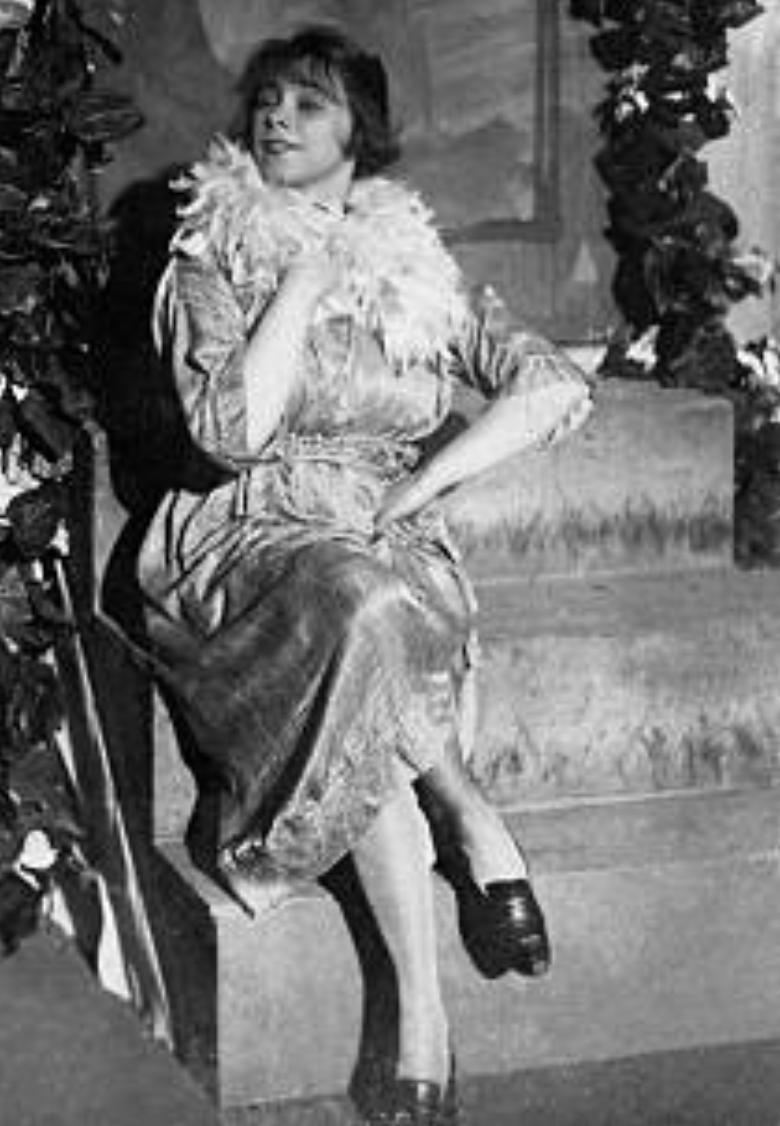
Bruno Ziener
Community
Log in to comment.
" The first thing that strikes you is the scale—no, not the scale of sets, though Ufa poured enough lumber into Petrograd back-lots to refloat the Swedish armada. I mean the moral scale: a man who enlarges his country by shrinking his own soul. Emil Jannings, face like a weather-beated prow, lumbers through corridors wide enough to stable elephants, every footstep a referendum on absolutism. The camera, starved for sound, clings to his shoulders as though afraid of being trampled. Director Dimit..."
Alexandra Sorina
Ludwig Metzger-Hollands, Sada Cowan
Germany

Deep dive into the cult classic
Discover similar cinematic experiences
A Directorial Spotlight on Dmitriy Bukhovetskiy