
DbcultAccessing Vault...
Director's Spotlight
Senior Film Conservator
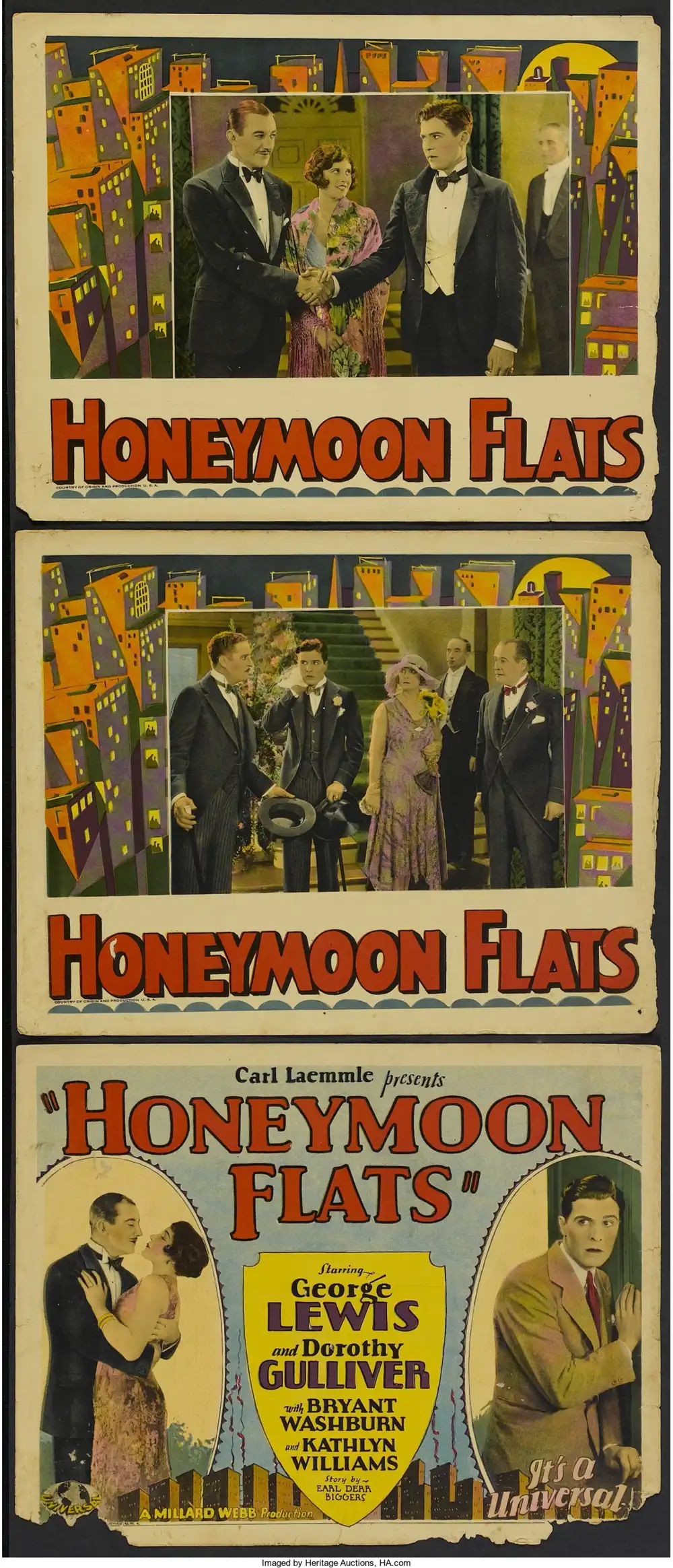
Director's Spotlight: United States
A Deep Dive into the 1928 Vision of Millard Webb
To understand the modern evolution of United States film, one must first look at Honeymoon Flats and the collaborative alchemy between Millard Webb and the 1928 creative team. Subverting the expectations of the typical 1928 audience, it remains a vital reference point for anyone studying the evolution of Millard Webb.
In Honeymoon Flats, Millard Webb pushes the boundaries of conventional narrative. The film's unique approach to its subject matter has sparked endless debates and interpretations among cinephiles and critics alike.
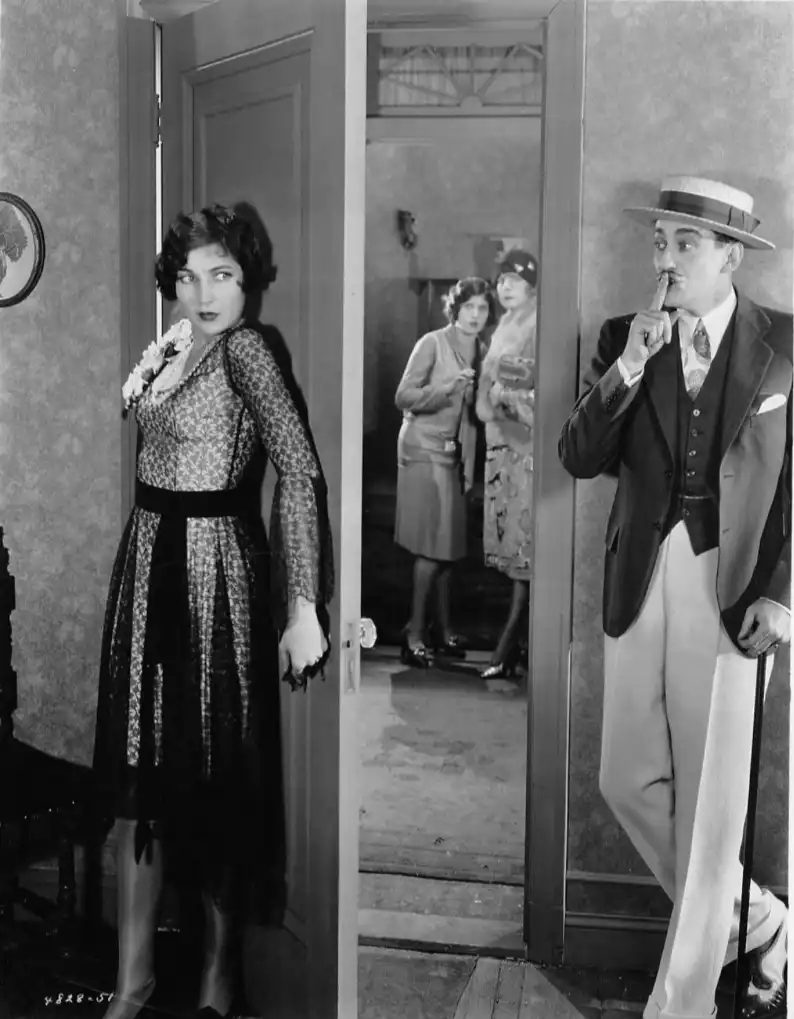
To fully appreciate Honeymoon Flats, one must consider the cinematic climate of 1928. During this period, United States was undergoing significant artistic shifts, and Millard Webb was at the forefront of this Romance movement, often challenging established norms.
| Cinematography | Deep Focus |
| Soundtrack | Synth-Heavy |
| Editing | Rhythmic |
| Art Direction | Naturalist |
Visualizing the convergence of Millard Webb's style and the core Romance narrative.
Lila Garland (Dorothy Gulliver) marries Jim Clayton (George Lewis) against her parents' wishes. Disappointed that Lila did not marry wealth, Mrs. Garland tries to make her daughter discontented with her new home in Honeymoon Flats, a cheap suburban housing development. Mrs. Garland's interference and mysterious visits to Honeymoon Flats by Anthony Weir (Ward Crane), Lila's former suitor, nearly cause the couple to separate. Peace is restored when both Weir and the Garlands leave for Europe.
Decades after its release, Honeymoon Flats remains a vital piece of the cinematic puzzle. Its influence can be seen in countless modern works, solidifying Millard Webb's status as a master of the craft in United States and beyond.