
DbcultAccessing Vault...
Director's Spotlight
Senior Film Conservator
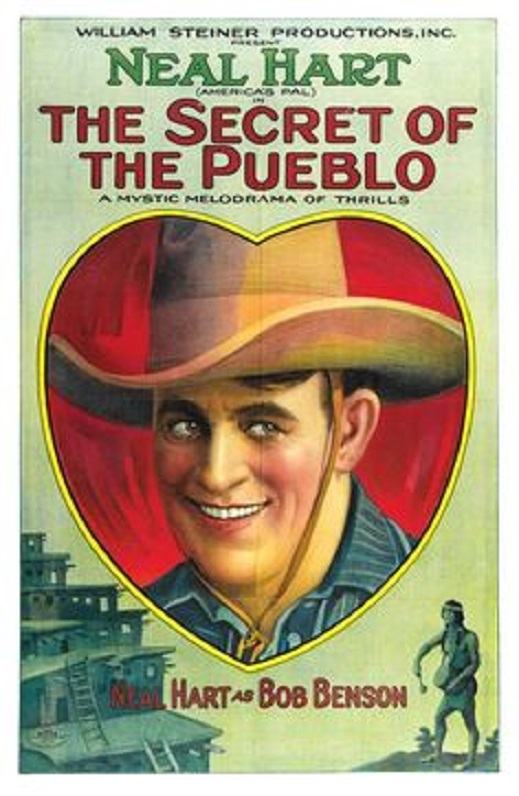
Director's Spotlight: United States
A Deep Dive into the 1923 Vision of Neal Hart
The artistic breakthrough represented by The Secret of the Pueblo in 1923 highlights the uncompromising vision of Neal Hart that defines this Romance masterpiece. In the context of United States's rich cinematic history, it captures a specific kind of cinematic magic that is rarely replicated.
In The Secret of the Pueblo, Neal Hart pushes the boundaries of conventional narrative. The film's unique approach to its subject matter has sparked endless debates and interpretations among cinephiles and critics alike.
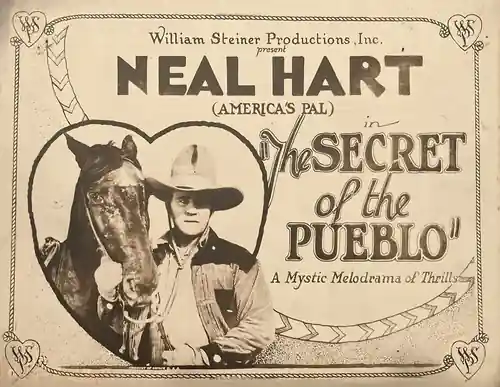
The visual language of The Secret of the Pueblo is defined by its use of shadows and framing, a hallmark of Neal Hart's style. By utilizing a 1923-era palette, the film creates an immersive experience that perfectly complements its Romance themes.
| Cinematography | Static |
| Soundtrack | Diegetic |
| Editing | Rhythmic |
| Art Direction | Naturalist |
Visualizing the convergence of Neal Hart's style and the core Romance narrative.
Bob Benson, a wandering cowboy, rides over into New Mexico, where he discovers the secret entrance to the Pueblo Indian's memorial altar room, where Ruth Bryson is being held captive. But there is a bit more to it since there seems to be a couple of white men involved. Bob decides to take a hand in the proceedings.
Decades after its release, The Secret of the Pueblo remains a vital piece of the cinematic puzzle. Its influence can be seen in countless modern works, solidifying Neal Hart's status as a master of the craft in United States and beyond.