
DbcultAccessing Vault...
Director's Spotlight
Senior Film Conservator
Director's Spotlight: United States
A Deep Dive into the 1928 Vision of Nick Grinde
The artistic breakthrough represented by Beyond the Sierras in 1928 highlights the philosophical inquiries that Nick Grinde embeds within the narrative. Framed by the hauntingly beautiful landscapes of the production, it leaves an indelible mark on the soul of the viewer.
In Beyond the Sierras, Nick Grinde pushes the boundaries of conventional narrative. The film's unique approach to its subject matter has sparked endless debates and interpretations among cinephiles and critics alike.
| Cinematography | Noir-Inspired |
| Soundtrack | Experimental |
| Editing | Invisible |
| Art Direction | Kitsch |
Visualizing the convergence of Nick Grinde's style and the core Drama narrative.
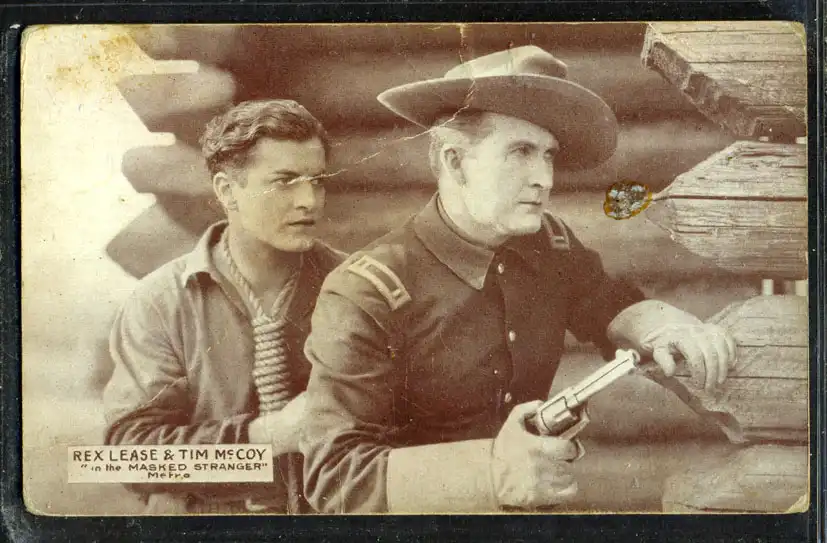
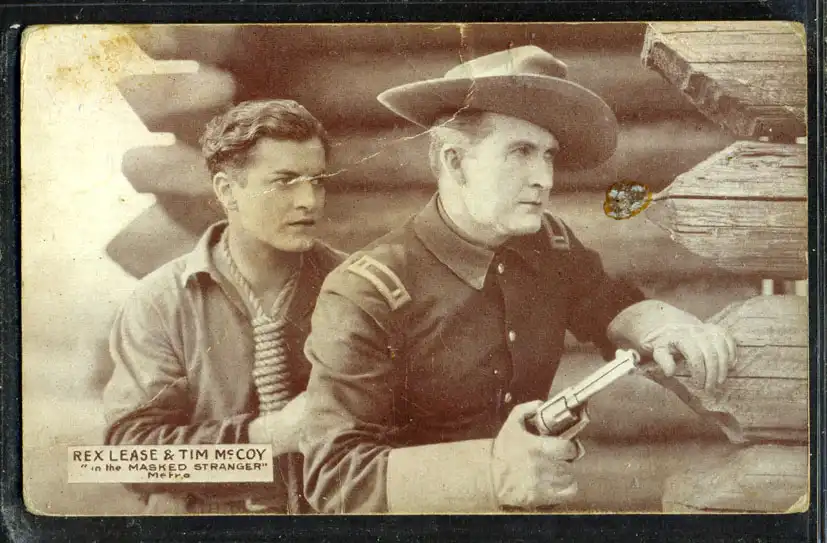
The U.S. Government sends an undercover-agent to California in the days when American land-thieves were preying upon Sanish families holding rich land-grants from the Spanish Crown. Don Carlos del Valle, who has a beautiful sister, Rosa, has a grant that also has a gold mine, and land-grabber Owens plans to get it. The agent learns of Owens' plans and shows up at a masquerade ball, masked-and-cloaked, to warn Don Carlos. Owens and his gang show up with a forged land grant but the agent saves Don Carlos by killing one of the henchmen but is unable to prevent his assassination. In the aftermath, Rosas loses the hacienda and holdings and blames the Masked Stranger. Since no one has seen his face, he holds onto his masquerade costume and sets out to save the property for Rosa.
Decades after its release, Beyond the Sierras remains a vital piece of the cinematic puzzle. Its influence can be seen in countless modern works, solidifying Nick Grinde's status as a master of the craft in United States and beyond.