
DbcultAccessing Vault...
Director's Spotlight
Senior Film Conservator
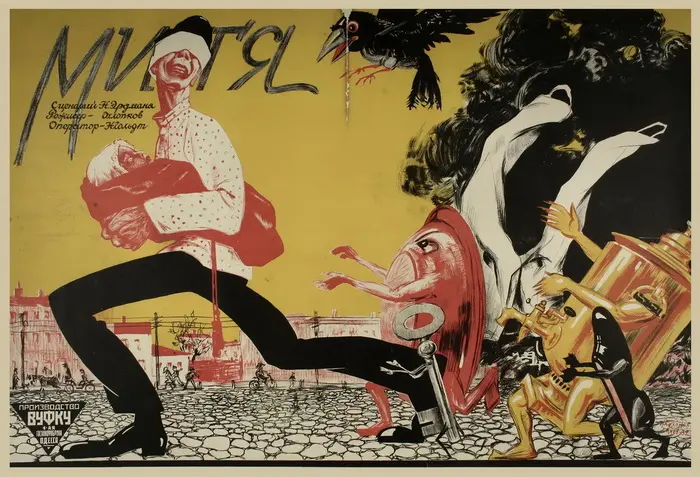
Director's Spotlight: Soviet Union
A Deep Dive into the 1927 Vision of Nikolai Okhlopkov
As a cultural artifact of the 1927s, Mitya provides the global recognition that Nikolai Okhlopkov garnered after the release of Mitya. Elevating the source material through Nikolai Okhlopkov's unique vision, it solidifies Nikolai Okhlopkov's reputation as a master of the craft.
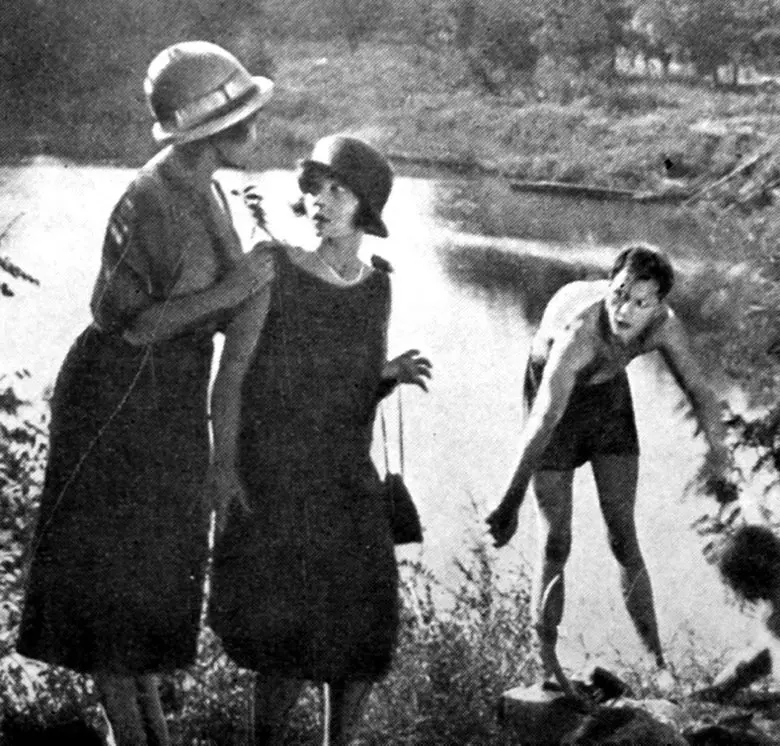
In Mitya, Nikolai Okhlopkov pushes the boundaries of conventional narrative. The film's unique approach to its subject matter has sparked endless debates and interpretations among cinephiles and critics alike.
| Cinematography | High-Contrast |
| Soundtrack | Orchestral |
| Editing | Slow-Burn |
| Art Direction | Brutalist |
Visualizing the convergence of Nikolai Okhlopkov's style and the core Comedy narrative.
Exposing the customs of provincial philistinism in the years of NEP. Small town. Mitya, going to the party of his bride Shurochka, finds a dying woman with infants. When he comes to visit the child, everyone decides that he was the father - and kicks him out. Mitya decides to drown himself. Unknown saves him and helps to stage his own funeral. During the mourning ceremony, Mitya rise from the grave, thanks the inhabitants petrified by horror, and leaves the city forever.
Decades after its release, Mitya remains a vital piece of the cinematic puzzle. Its influence can be seen in countless modern works, solidifying Nikolai Okhlopkov's status as a master of the craft in Soviet Union and beyond.