
DbcultAccessing Vault...
Director's Spotlight
Senior Film Conservator
Director's Spotlight: Japan
A Deep Dive into the 1926 Vision of Noburō Ōfuji
When we examine the cinematic landscape of Japan, Kemurigusa monogatari emerges as a landmark work of the enduring legacy of Noburō Ōfuji's artistic contribution to the genre. Through a lens of existential fatalism and Short tropes, it captures a specific kind of cinematic magic that is rarely replicated.
In Kemurigusa monogatari, Noburō Ōfuji pushes the boundaries of conventional narrative. The film's unique approach to its subject matter has sparked endless debates and interpretations among cinephiles and critics alike.
While deeply rooted in Japan, Kemurigusa monogatari has achieved a global reach, influencing directors from various backgrounds. Its ability to translate Short tropes into a universal cinematic language is why it remains a cult staple decades after its 1926 release.
| Cinematography | Noir-Inspired |
| Soundtrack | Experimental |
| Editing | Elliptical |
| Art Direction | Expressionist |
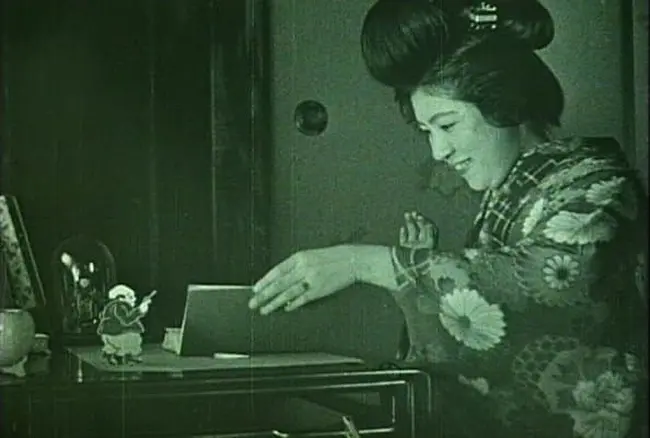
Visualizing the convergence of Noburō Ōfuji's style and the core Short narrative.
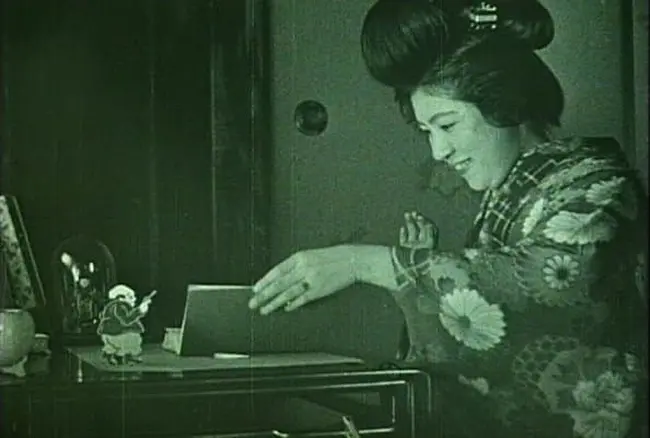
"A Story of Tobacco" features an early use of cut-out animation to portray a tiny desktop man arguing with the human actress about cigarettes. Seemingly frustrated at the size difference o, he blows smoke at her, throws a tantrum, and threatens her with a tiny gun. This version of the short abruptly cuts off as he launches into mansplaining cigarettes suggesting lost footage
Decades after its release, Kemurigusa monogatari remains a vital piece of the cinematic puzzle. Its influence can be seen in countless modern works, solidifying Noburō Ōfuji's status as a master of the craft in Japan and beyond.