
DbcultAccessing Vault...
Director's Spotlight
Senior Film Conservator
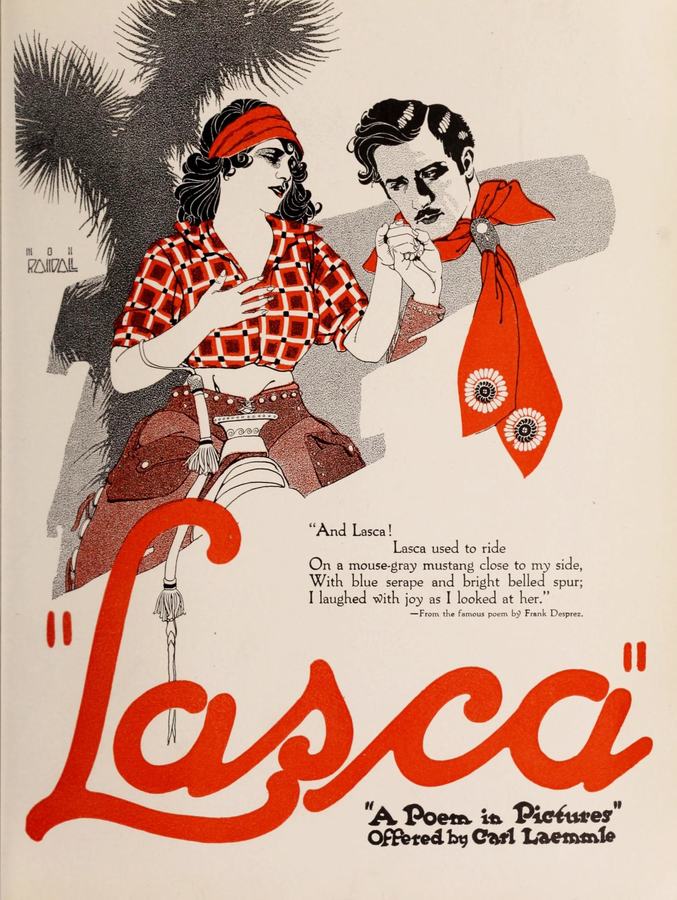
Director's Spotlight: United States
A Deep Dive into the 1919 Vision of Norman Dawn
Analyzing Lasca (1919) requires a deep dive into the defining moment in cult history that Norman Dawn helped create. Defining a new era of United States artistic expression, it transcends regional boundaries to tell a universal story.
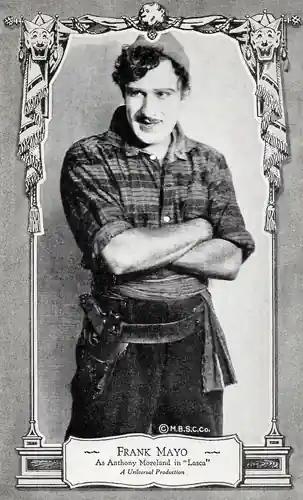
In Lasca, Norman Dawn pushes the boundaries of conventional narrative. The film's unique approach to its subject matter has sparked endless debates and interpretations among cinephiles and critics alike.
| Cinematography | Static |
| Soundtrack | Diegetic |
| Editing | Elliptical |
| Art Direction | Expressionist |
Visualizing the convergence of Norman Dawn's style and the core cult narrative.
Fiery, impulsive yet pure-hearted Lasca lives in a Mexican settlement near the Rio Grande with her twin brother, Ricardo, and their aunt. She falls in love with cattle rancher Anthony Moreland, who is fond of Lasca, but thinks of her as a child. When the flirtatious Clara Vane falls in love with Anthony, Lasca stabs him in a fit of rage, then binds his wound and begs forgiveness. Clara's fiancé, John Davis, also seeks revenge against Anthony and bribes one of the rancher's men to stampede his cattle during an impending storm. Anthony falls from his horse in the path of the approaching herd, and Lasca is killed using her body to shield his. Ricardo avenges his sister by leaving John to die in quicksand. Anthony buries Lasca, builds a shrine, and remains faithful to her the rest of his life.
Decades after its release, Lasca remains a vital piece of the cinematic puzzle. Its influence can be seen in countless modern works, solidifying Norman Dawn's status as a master of the craft in United States and beyond.