
DbcultAccessing Vault...
Director's Spotlight
Senior Film Conservator
Director's Spotlight: United States
A Deep Dive into the 1926 Vision of Norman Taurog
Analyzing Creeps (1926) requires a deep dive into the defining moment in Short history that Norman Taurog helped create. Defining a new era of United States artistic expression, it transcends regional boundaries to tell a universal story.
In Creeps, Norman Taurog pushes the boundaries of conventional narrative. The film's unique approach to its subject matter has sparked endless debates and interpretations among cinephiles and critics alike.
The visual language of Creeps is defined by its use of shadows and framing, a hallmark of Norman Taurog's style. By utilizing a 1926-era palette, the film creates an immersive experience that perfectly complements its Short themes.
| Cinematography | Noir-Inspired |
| Soundtrack | Synth-Heavy |
| Editing | Rhythmic |
| Art Direction | Naturalist |
Visualizing the convergence of Norman Taurog's style and the core Short narrative.
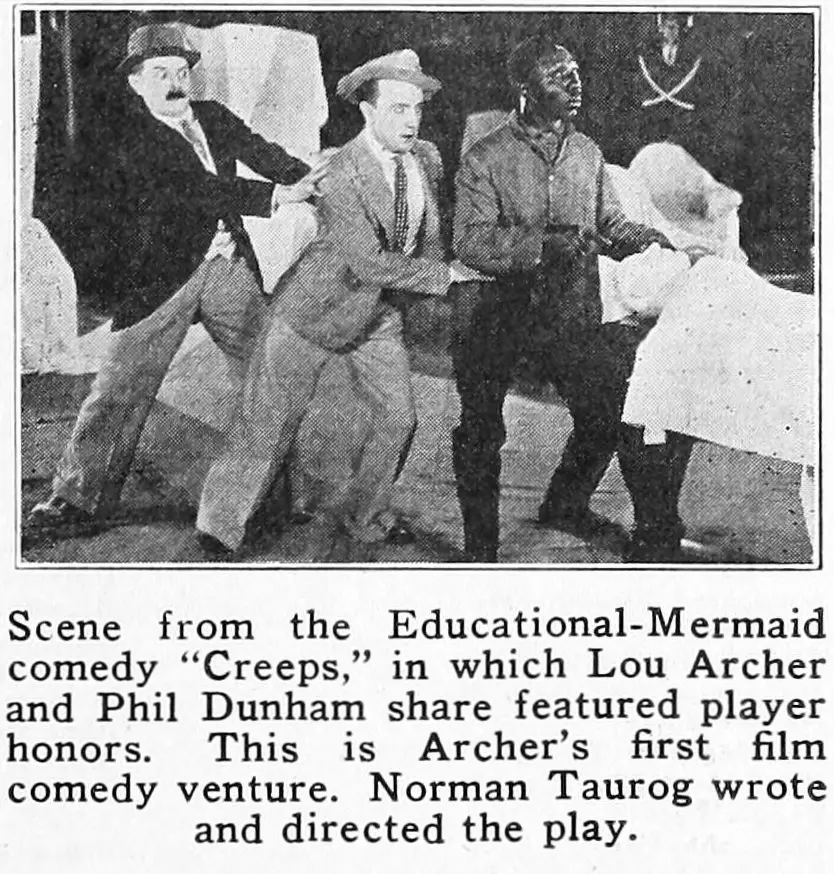
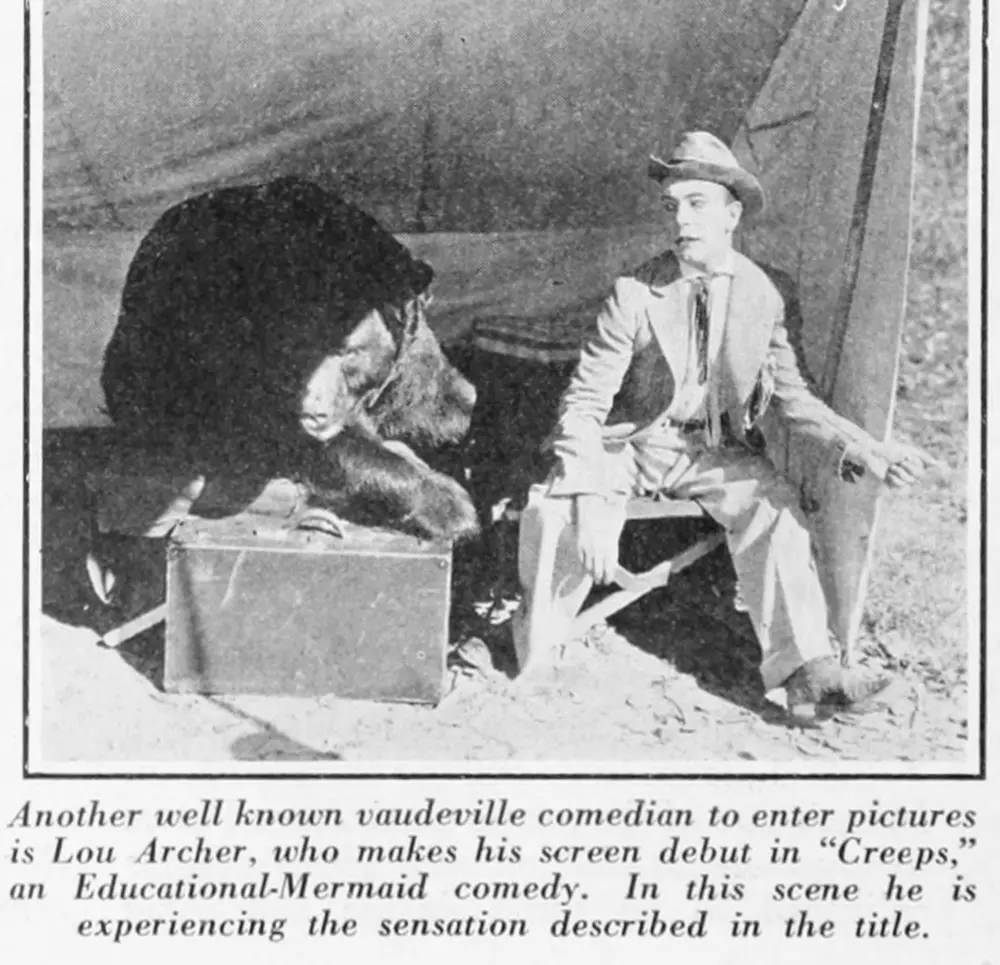
Phil and Lou inherit property left by an eccentric uncle with the provision they occupy the house for thirty days. They start for the place but encounter some rough roads and have to camp for the night. A black bear wanders near their camp and Lou shoots and wounds a black man by mistake, and they make him part of their traveling party. But their cousin, Anita, wants the property for herself and, with several hired-henchmen, sends weird-form after weird-form through the house after the boys arrive. They attempt to escape by diving into a swimming pool which turns out to be a signboard.
Decades after its release, Creeps remains a vital piece of the cinematic puzzle. Its influence can be seen in countless modern works, solidifying Norman Taurog's status as a master of the craft in United States and beyond.