
Cult Cinema
The Obsidian Pulse: How Early Cinema’s Genre Defiants and Silent Oddities Sculpted the Cult Movie DNA
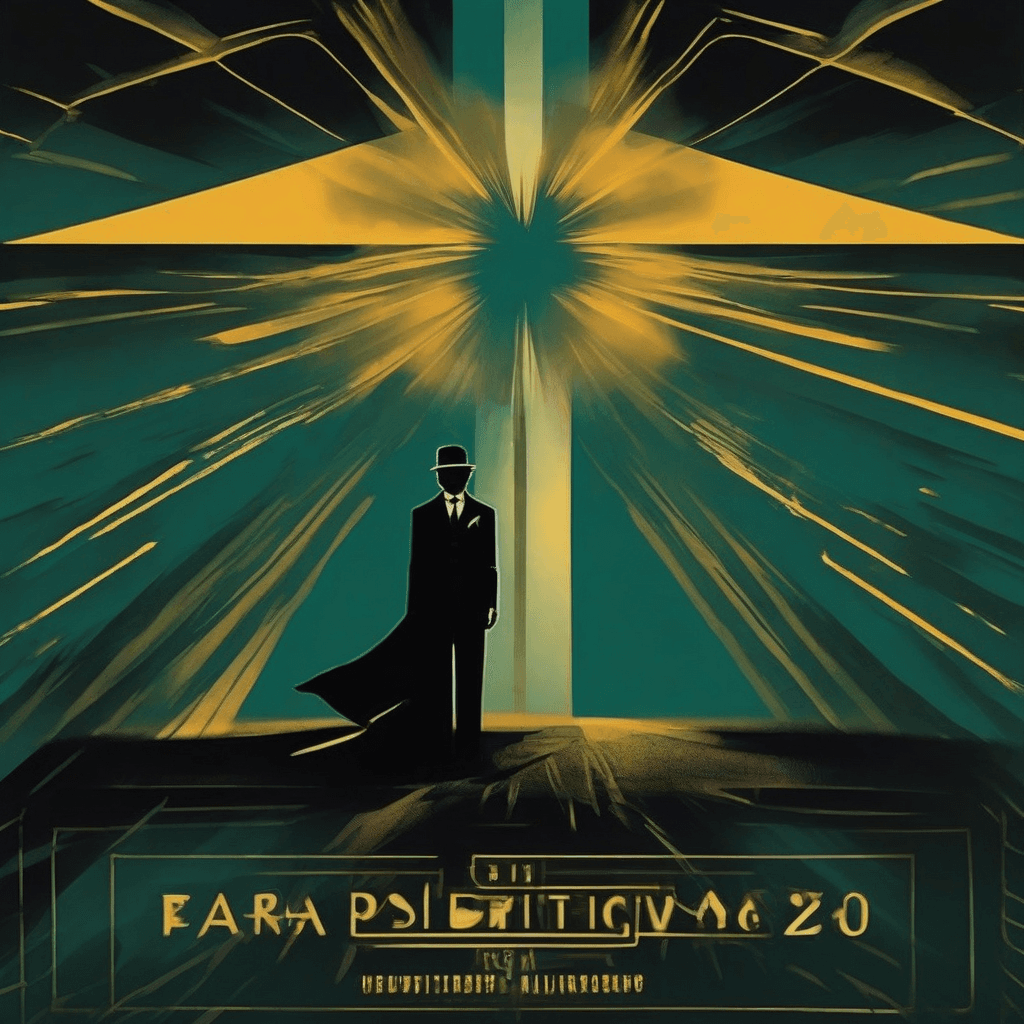
“Explore the hidden origins of cult cinema through the prism of early silent era anomalies, where transgressive narratives and genre-bending experiments first ignited the fire of fanatical devotion.”
When we discuss cult cinema, the mind often drifts to the neon-soaked midnight screenings of the 1970s or the transgressive VHS underground of the 1980s. However, the genetic blueprint of the cinematic misfit—the film that refuses to behave, the narrative that defies commercial logic, and the visual style that alienates the many to enchant the few—was actually forged in the flickering nitrate of the early 20th century. Long before the term 'cult' was codified, the silent era was producing genre mutations and moral anomalies that would eventually define the modern midnight movie mindset.
The Genesis of the Strange: Beyond the Mainstream Frame
The early years of film were a wild frontier, a period of cinematic alchemy where the rules of storytelling were being written in real-time. In this chaotic laboratory, films like The Silent Mystery (1918) emerged, blending the exoticism of Egyptian expeditions with the burgeoning tropes of the supernatural. When Mrs. Graham steals 'The Eye of the World' from a mummy's sarcophagus, we see the birth of the 'forbidden object' trope that would later fuel countless B-movie adventures. This wasn't just a story; it was an invitation into a world of occult fascination, a key ingredient in the recipe for cult devotion.
Similarly, the 1920 Italian production of The Monster of Frankenstein represents a pivotal moment in the history of the grotesque. While the world would eventually celebrate the Universal monsters, these earlier, more primal adaptations captured a raw, expressionistic energy. They tapped into a collective anxiety about science and the 'other' that resonated with the fringes of society. These films didn't just entertain; they haunted the peripheral vision of the audience, creating a space for the transgressive hero and the misunderstood creature.
The Moral Outlaw and the Architecture of Rebellion
Cult cinema has always been a sanctuary for the social outcast, and the silent era was rife with narratives that challenged the status quo. Take A Yoke of Gold, a tale of '49 California that explores the corrosive nature of greed among the aristocracy. It isn't a simple morality play; it is a gritty look at the 'precious yellow metal' and the people it destroys. This focus on the darker impulses of humanity—greed, obsession, and social stratification—is exactly what draws cult audiences to films that the mainstream might find too cynical or 'difficult.'
We see a different kind of rebellion in The Iron Hand, where the conflict between environment and heredity is played out through the life of Roy, a child raised between the world of a political boss and the 'respectable' life of a doctor. This exploration of identity and social conditioning prefigures the 'juvenile delinquent' cult films of the 1950s. It asks uncomfortable questions about whether we can truly escape our origins, a theme that remains central to the 'misfit' narrative of cult film culture.
Genre Mutations: The Birth of the Bizarre
One of the hallmarks of a true cult film is its refusal to stay within the lines of a single genre. The silent era was a masterclass in this kind of narrative fluidity. Consider The Barker, which takes us into the world of language professors and anarchists. The image of members in black robes and masks drawing ballots to choose an assassin is pure underground cinema. It combines elements of the thriller, the political drama, and the secret society mystery into something that feels dangerously unique.
Then there is the sheer, unadulterated weirdness of Trotting Through Turkey, featuring Snub Pollard. A short film where a harem is taught 'the shimmy' with 'sad results' is the kind of surreal, borderline offensive humor that would eventually find a home in the works of John Waters or the Zucker brothers. This absurdist streak is vital to the cult experience; it rewards the viewer for their willingness to engage with the bizarre and the politically incorrect.
The Global Underground: From Samurai to Sherlock
Cult devotion is not limited by geography, and early cinema proved that transgressive themes could travel across oceans. Horibe Yasubei, the story of the legendary swordsman and his path to joining the forty-seven ronin, brought a level of stylized violence and codes of honor that would later influence the global obsession with samurai and martial arts cinema. The focus on the 'mastery of the blade' and the inevitable duel at Takadanobaba creates a mythic resonance that transcends language.
In the West, Der Bär von Baskerville (1915) shows how even established characters like Sherlock Holmes could be pulled into the realm of the 'weird.' By framing a family curse as a threat to a nobleman, the film leans into the gothic horror elements of the source material, creating a version of Holmes that feels more at home in a midnight movie marathon than a Sunday afternoon matinee. This reimagining of icons is a classic cult tactic—taking something familiar and twisting it into something strange and new.
The Cinema of Obsession: Meta-Narratives and the Forbidden Screen
Perhaps the most 'cult' element of all is the film that is about the act of making or watching films. The Cinema Murder (1919) is a fascinating early example of this meta-narrative. When an aspiring actress rehearses a murder scene only to be fired by a Wall Street backer, the lines between reality and the 'silver screen' begin to blur. This self-referentiality creates a layer of irony and depth that demands multiple viewings—a prerequisite for any film seeking cult status.
We see a similar fascination with the 'show' in The Idol of the Stage, where a son of Knickerbocker descent is disowned for becoming a Broadway star. The tension between high society and the 'low' art of the theater mirrors the historical tension between 'prestige' cinema and the 'cult' fringe. These films are essentially manifestos for the performer, the dreamer, and the outcast who finds their truth in the spotlight of the stage or the flicker of the projector.
The Visual Anarchy of the Early Animation
Even the earliest cartoons contributed to the cult mindset. Fireman Save My Child, featuring the legendary Mutt and Jeff, is a masterclass in visual anarchy. The idea that 'where there's smoke, there's fire' leading to a series of surreal scrapes is a precursor to the slapstick violence and reality-bending logic of later cult animation. These shorts provided a break from the gravity of the 'feature film,' offering a dose of pure, unbridled imagination that appealed to the child and the rebel alike.
The Enduring Legacy of the Silent Misfit
Why do these films, many of them over a century old, still matter to the modern cult fan? It is because they represent the primal scream of a medium that was still discovering its power. Films like Hate (1922), with its gritty portrayal of gamblers and rivalries over a chorus girl, or The Three Black Trumps, with its daring rooftop rescues, were pushing the boundaries of what could be shown and felt. They were the original midnight rebels, operating in a world before the Hays Code, before the homogenization of the blockbuster, and before the 'safe' narrative became the industry standard.
When we watch Captain Courtesy, a tale of American settlers in Mexican-ruled California facing renegades and marauders, we aren't just watching a western. We are watching the birth of the vigilante archetype, the lone hero who operates outside the law to achieve justice. This theme would go on to fuel everything from Mad Max to John Wick, proving that the cult heart beats strongest when it is in the chest of an outlaw.
Conclusion: The Perpetual Midnight
The journey from The Silent Mystery to the modern cult classic is a straight line of rebellious spirit. The films of the 1910s and 20s provided the soil in which the seeds of niche obsession were planted. They taught us that cinema could be weird, it could be dangerous, and it could be ours. Whether it’s the social critique of The Toll of Mammon, the innocent pranks of Ill Starred Babbie, or the 'joyous' publicity stunts of Some Boy, these films remind us that the most enduring stories are often the ones that start on the fringe.
As we continue to dig into the archives of the silent era, we find more than just historical curiosities; we find the living ancestors of our favorite cult classics. The obsidian pulse of the underground has been beating since the first frame was exposed to light, and it shows no signs of slowing down. For the devoted disciple of the strange, the midnight movie never truly ends—it just waits for the next generation to rediscover the sacred weirdness of the past.
Community
Comments
Log in to comment.
Loading comments…