Summary
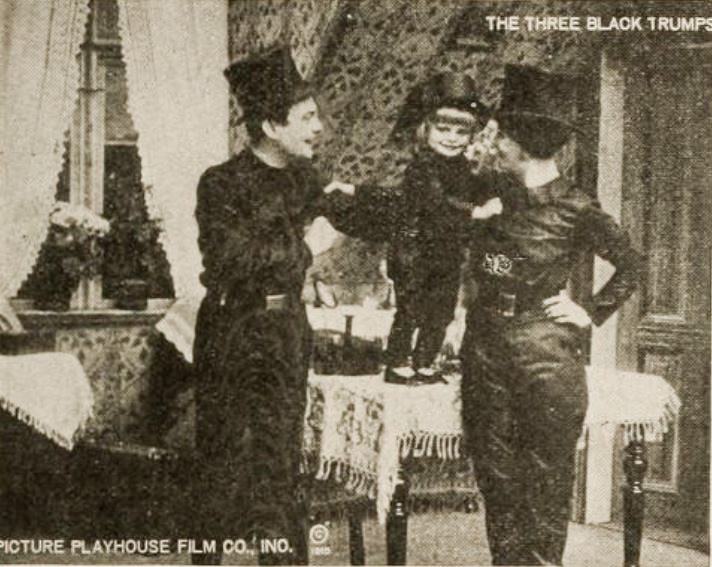
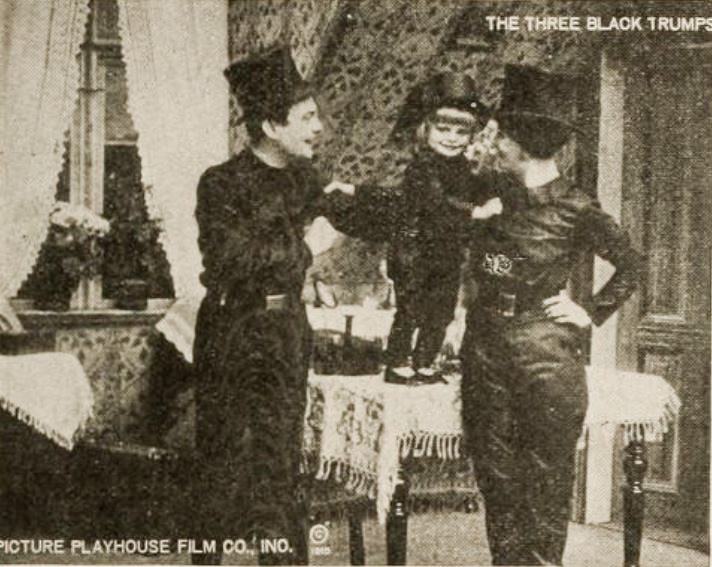
Charcoal dusk, 1898: a soot-lad climber scales the vertical fissure between two merchant houses, his silhouette flickering against a conflagration that devours gilded balustrades and ancestral portraits alike. Inside, Martha Van Alden—heiress to a shipping empire—waits, not for a prince but for this human spider whose palms are grimed with the city’s breath. Their elopement is less romance than revolution: a bolt cutters’ snip at the corset of caste. One year later the same lovers—now three, counting an infant swaddled in calico—huddle beneath a tarpaulin by the river, trading silver spoons for gruel. Robert Clark, once the swaggering steeplejack, returns to the only alphabet he knows: brick, mortar, sky. He contracts to brush the soot from a 240-foot chimney whose crown vanishes in winter murk; halfway up, his ladder shears, and he dangles like a pendulum between the bell-chime of heaven and the furnace-mouth of earth. Martha, refused by every alderman and hose company, knots shawls into a rope, clambers the flue, and drags her husband back into oxygen—an inverted Perseus fishing her Andromeda from the heavens. Convalescence follows: Robert fever-drawls circus posters on hospital sheets while Martha shoulders his brushes, ascending parlour chimneys with the grace of a ballerina on points. Word travels; a Barnum-type impresario offers a staggering weekly sum for “a family that can climb air.” Rehearsals turn their tenement roof into a private Altamira: rope, pulley, child as counterweight. Little Robert—nicknamed “Soot Prince”—learns to pirouette on a rung no wider than a wish. Billing themselves as The Three Black Trumps, they crisscross the republic, their act a vertiginous sonnet: mother, father, son ascending a swaying column of white pine while fireworks crackle beneath, the audience inhaling a terror so exquisite it tastes like candied lemon. Coin accumulates; velvet coaches replace boxcars. Eventually the circuit loops back to Martha’s natal city. On the colossal stage of the Olympic Hippodrome, grandfather Van Alden—once the granite-faced patriarch—sits third-row center. The lights cut. Three silhouettes rise into the rafters. A hush, a gasp, a single spotlight: the child’s hand grazes the old man’s ring through the ether. Curtain falls; ice thaws; blood answers blood.
Synopsis
Robert Clark falls in love with the daughter of a rich merchant. He rescues her from her burning home by climbing up between two buildings. When her parents object to his attentions, claiming that his social position is beneath that of the rich merchant, they elope, and a year later, when their baby comes, they are reduced to poverty. Robert continues at his trade, that of a chimney sweep and steeple jack, and undertakes to clean the tallest chimney in the city, when no one else will dare attempt it. He loses one of his scaling ladders just at the top, and hangs, between heaven and earth, while flames and smoke belch from the chimney. His wife manages to repay her debt to him by rescuing Robert from the very brink of death, when all other efforts of the fire department and the city authorities failed. While Robert is ill, following this terrible ordeal, she takes up the burden of his work and by her winning personality wins success as great as his. They come across an advertisement of a circus manager who wishes a ladder trick, and offering a good salary. This they eagerly accept, and work up, between themselves and little Robert, who is now five years old, an unusual and thrilling scaling act. Their success is instantaneous and "The Three Black Trumps" soon become known throughout the country. Fame and increasing salary come to the daring performers. In their journeys they come back to Martha's home town and when the stern but loving father sees his little grandson his heart softens, and Martha and her husband are received back into the home circle.
Review Excerpt
"
There is a moment—roughly three minutes and forty seconds into The Three Black Trumps—when the camera refuses to cut. Porter’s hand-cranked Bell & Howell simply gazes upward as Robert’s ladder splinters against masonry. No intertitle intrudes; no trick photography cushions the fall. What we witness is the birth-cry of cinematic vertigo, predating Hitchcock’s bell-tower suspense in Vertigo by half a century and rivaling the rooftop chases in Stolen Goods for raw kinesthetic panic.
A Skylin..."