
Cult Cinema
The Ethereal Underground: Decoding the Primal Transgressions and Rebel Rhythms of Cinema’s Original Misfit Wave
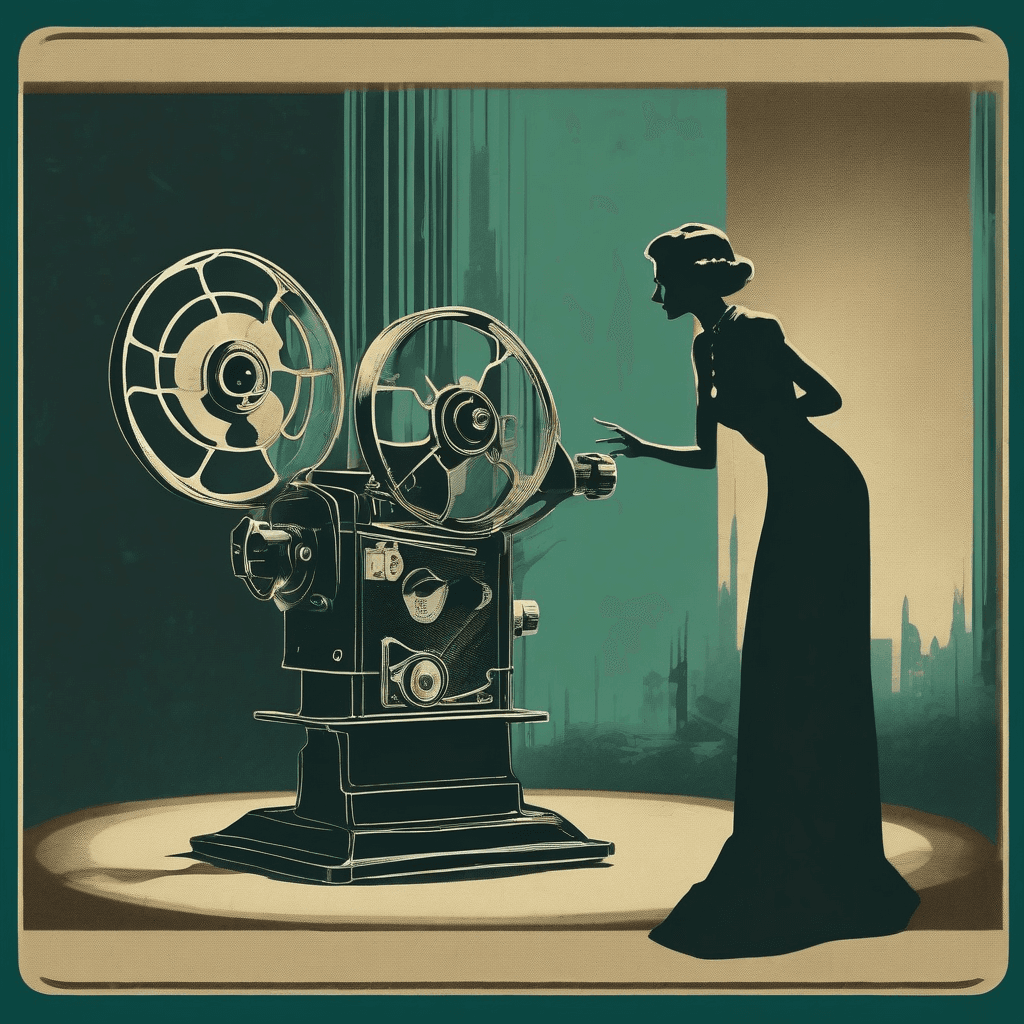
“A deep dive into the silent era's most transgressive and forgotten masterpieces, revealing how the early fringe engineered the modern cult movie psyche.”
The term "cult cinema" often evokes images of midnight screenings in the 1970s, neon-soaked aesthetics, or the transgressive body horror of the late 20th century. However, the genetic blueprint of the cult movie—the DNA of the outsider, the rebel, and the bizarre—was actually sequenced much earlier. Long before the term was coined, the silent era and the early years of the talkies were already churning out works that defied convention, challenged moral boundaries, and catered to the niche obsessions of the fringe. These films were the original cinematic apostates, carving out a space for narratives that the mainstream industry was either too timid or too rigid to embrace.
The Genesis of the Maverick Mindset
To understand the modern cult obsession, one must look back at the radical experimentation of the 1910s and 1920s. This was an era where the rules of storytelling were still being written in wet cement. Consider the 1922 production of To Have and to Hold. On the surface, it is a romantic drama about a woman escaping a hateful marriage to Lord Carnal. Yet, its depiction of the "bride ships" and the harsh conditions of colonial Virginia introduced a gritty realism that appealed to those tired of sanitized Victorian stage plays. It was a film that dared to look at the grime beneath the fingernails of history, setting a precedent for the "historical grit" that cult fans would later adore in films like The Witch or The Devils.
Similarly, the whimsical yet rebellious spirit found in The Wishing Ring: An Idyll of Old England showcased a protagonist, Giles, who was expelled from college only to find love and purpose outside the institutional gaze. This narrative of the "expelled academic" or the "social dropout" is a cornerstone of cult storytelling—the idea that truth is found not in the classroom or the church, but in the wild, unpredictable world of the marginalized.
The Absurdist Roots of Cult Comedy
Cult cinema has always had a home for the absurd, the surreal, and the downright silly. In 1917, The Mantle of Charity offered a glimpse into this burgeoning weirdness. A wealthy woman dressing her pet dog in baby clothes to sneak him onto a train is more than just a gag; it is a proto-surrealist gesture that predates the calculated oddities of John Waters or David Lynch. It challenges the social hierarchy and the rigidity of public spaces, using the animal-as-human trope to mock the upper class.
The short film Kidnapping Caroline further refined this sense of manic misunderstanding. The plot, involving a scream over a mouse being mistaken for a violent crime, plays with the audience's expectations of tension and release. This subversion of the "damsel in distress" trope via comedic error is a direct ancestor to the dark comedies of the 1990s. Even more transgressive was When Dr. Quackell Did Hide, a comedic take on the Jekyll and Hyde story. By parodying one of literature's most serious explorations of duality, the film signaled that nothing—not even the most sacred texts of horror—was safe from the irreverent gaze of the fringe filmmaker.
Moral Deviance and the Architecture of Taboo
One of the defining characteristics of cult cinema is its willingness to dance on the edge of social acceptability. The silent era was rife with what we might now call "pre-code" sensibilities, even before the code was a formal entity. Why Girls Leave Home (1921) is a prime example. By depicting a young woman who leaves her strict father to live with friends and explore a world of independence, the film tapped into the primal anxieties of a changing society. It wasn't just a drama; it was a manifesto for the flapper generation, a group that found their own rebellious rhythms reflected in the flickering light of the nickelodeon.
This exploration of the "forbidden" extended into the realm of the psychological. The Mysterious Mrs. Musslewhite tells the story of a man who believes he is about to die because of a psychic's prediction. The way he begins to treasure life, only to find himself in a state of existential limbo when the hour of death passes, is a hauntingly modern concept. It prefigures the existential dread of cult classics like Seconds or The Game. It asks the viewer: what do you do when the tragedy you prepared for fails to arrive? This kind of narrative ambiguity is the lifeblood of cult devotion.
True Crime and the Reconstruction of the Macabre
The cult obsession with true crime also finds its roots in this era. El drama del 15 de Octubre (1915) is perhaps one of the most controversial films in early cinema history. By reconstructing the assassination of Rafael Uribe Uribe using the actual perpetrators, the film blurred the lines between reality and fiction in a way that would make modern mockumentary filmmakers blush. It was a transgressive act of cinema that prioritized the visceral thrill of the real over the comforts of traditional narrative. This "cinema of the real" is a direct precursor to the mondo films and the transgressive documentaries that would later define the underground circuit.
The International Soul of the Underground
Cult cinema is a global language, and the early 20th century proved that the "misfit" soul was not confined to Hollywood. From Italy, we received Assunta Spina, a raw, tragic exploration of jealousy and blood feuds in Naples. Its verismo style—using real locations and a gritty, unvarnished look at poverty—was revolutionary. It provided a template for the neorealist movements that would later be embraced by cult enthusiasts seeking authenticity over artifice. Similarly, the historical epic I promessi sposi took a classic novel and infused it with a sense of cinematic grandeur that felt both ancient and radical, exploring the intersection of faith, power, and romance under Spanish domination.
In Germany, films like Hanneles Himmelfahrt pushed the boundaries of what could be shown on screen. The story of an unhappy girl who attempts suicide only to experience religious and hallucinatory visions is a masterclass in psychological expressionism. It is a film that treats the inner life of a child with a dark, almost gothic seriousness, a theme that would later reappear in the works of filmmakers like Guillermo del Toro. This willingness to explore the "shadow side" of the human experience is what draws cult audiences back to these silent relics time and time again.
Genre Mutations and the Birth of the Hybrid
Cult films often thrive in the spaces between genres, and the early pioneers were experts at mutation. Trifling Women (1922) is a fascinating case study. It is a melodrama wrapped in a cautionary tale, featuring the captivating Parisian adventuress Zareda. The film uses a story-within-a-story structure to explore themes of faithlessness and manipulation, creating a layered narrative that rewards repeat viewings—a hallmark of cult cinema. It doesn't just tell a story; it builds a world of moral complexity that refuses to offer easy answers.
We also see the birth of the political cult film in Peace on Earth, where a prince's dream of global harmony is tested against the harsh realities of a warring world. It is a utopian vision that feels both naive and profoundly radical, echoing the counter-culture films of the 1960s. On the opposite end of the spectrum, The Prussian Cur (1918) used the techniques of the spy thriller to create a piece of propaganda so intense it bordered on horror. The depiction of an intricate spy network headed by von Bernstorff tapped into a collective paranoia that is still a staple of political thrillers and conspiracy-themed cult movies today.
The Perpetual Midnight: Why These Misfits Endure
Why do we still look back at films like The Ghost of Old Morro or The City of Comrades? Perhaps it is because they represent a time when the screen was a mirror for the soul's most eccentric reflections. In The Ghost of Old Morro, the nefarious Mother Morro and the curse placed upon her by a grieving father provide a template for the "vengeful spirit" subgenre. In The City of Comrades, the story of an architect-turned-burglar seeking redemption explores the fluidity of class and identity—a theme that remains central to the cult of the "outsider." Even films that seem like simple comedies, such as Upside Down (1919), contain a hidden radicalism. The idea of a wife seeking the advice of a Swami to reclaim her "individualism" from her husband is a surprisingly feminist and counter-cultural concept for its time. It suggests that the path to self-actualization often involves stepping away from the traditional and into the realm of the "weird" or the "exotic."
The enduring power of these films lies in their unconventional spirit. Whether it is the medical students in Hasta después de muerta navigating a story that shifts from comedy to drama, or the wrongfully accused maid in Nattens barn who finds a new life in America, these narratives celebrate the resilience of the human spirit in the face of systemic failure. They are films for the lost, the lonely, and the lovers of the strange.
Conclusion: The Legacy of the Silent Fringe
As we navigate the modern landscape of cinema, it is easy to forget that the rebels of today are standing on the shoulders of the silent giants. The cult cinema of the 1910s and 20s was not a mistake or a primitive precursor; it was a fully realized revolution of the mind. Films like Breed of Men, with its crooked faro games and cowboy sheriffs, or The Ladder Jinx, with its anxious bank cashiers and superstitions, were the original "indies." They were films made by people who saw the world differently and were brave enough to project that vision onto a white sheet in a darkened room.
The next time you find yourself at a midnight screening of a modern classic, remember the ethereal underground of the silent era. Remember the psychics, the swamis, the adventuresses, and the outcasts who first taught us how to love the strange. They were the original architects of the cult psyche, and their flickering shadows still dance in the corners of our collective imagination, reminding us that the most powerful stories are often found in the most unexpected places.
Community
Comments
Log in to comment.
Loading comments…