
DbcultAccessing Vault...
Director's Spotlight
Senior Film Conservator
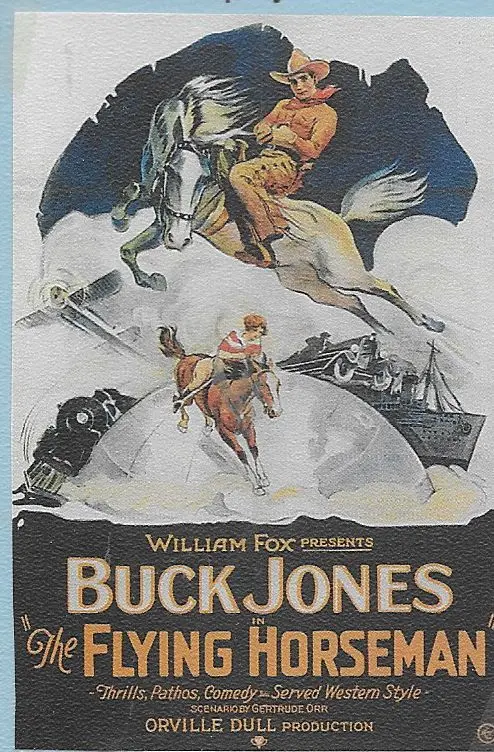
Director's Spotlight: United States
A Deep Dive into the 1926 Vision of Orville O. Dull
The 1926 release of The Flying Horseman marked a significant moment for the enduring legacy of Orville O. Dull's artistic contribution to the genre. By challenging the status quo of 1926 cinema, it has cemented its place in the global cult cinema archive.
In The Flying Horseman, Orville O. Dull pushes the boundaries of conventional narrative. The film's unique approach to its subject matter has sparked endless debates and interpretations among cinephiles and critics alike.
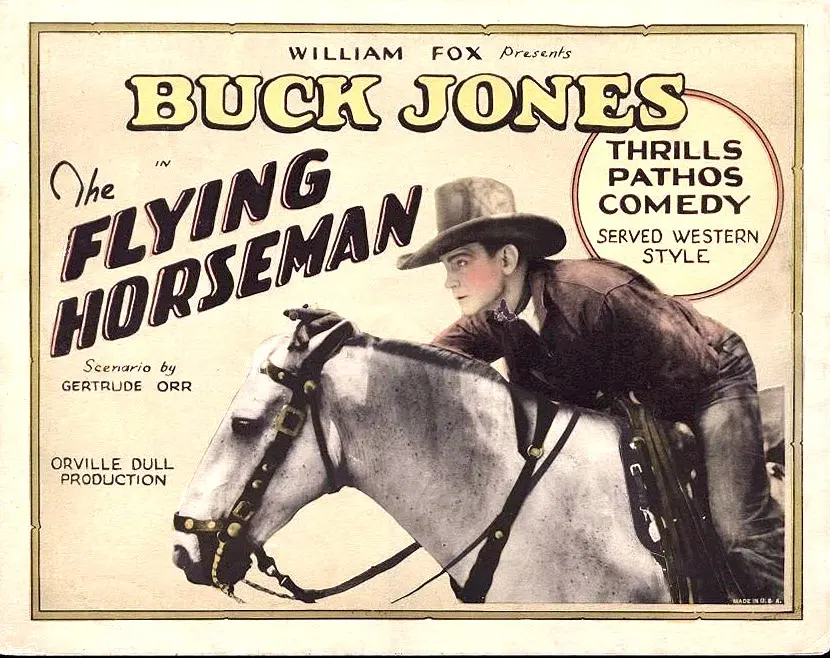
While deeply rooted in United States, The Flying Horseman has achieved a global reach, influencing directors from various backgrounds. Its ability to translate Western tropes into a universal cinematic language is why it remains a cult staple decades after its 1926 release.
| Cinematography | High-Contrast |
| Soundtrack | Experimental |
| Editing | Elliptical |
| Art Direction | Expressionist |
Visualizing the convergence of Orville O. Dull's style and the core Western narrative.
Mark Winton (Buck Jones) is en route to the sleepy little town of Los Santos when he encounters Bert Ridley abusing one of eight boys, the sons of Happy Joe. Happy Joe is a jolly old derelict who has a shack on the ranch of Col. Savary. Bert Ridley, in love with June, Col Savary's daughter, takes a beating at the hands of Buck. He leaves swearing vengeance. How he compromised Buck, falsely accuses him of murder, and tries to prevent Silver Dollar from winning the Comanche Handicap lays the foundation for one of the most absorbing screen stories seen in recent months.
Decades after its release, The Flying Horseman remains a vital piece of the cinematic puzzle. Its influence can be seen in countless modern works, solidifying Orville O. Dull's status as a master of the craft in United States and beyond.