
DbcultAccessing Vault...
Director's Spotlight
Senior Film Conservator
Director's Spotlight: United States
A Deep Dive into the 1919 Vision of Oscar Apfel
Exploring the cult underpinnings of Bringing Up Betty leads us to the stylistic boundaries pushed by Oscar Apfel during the production. Through a lens of existential fatalism and cult tropes, it continues to spark endless debates among critics and cinephiles alike.
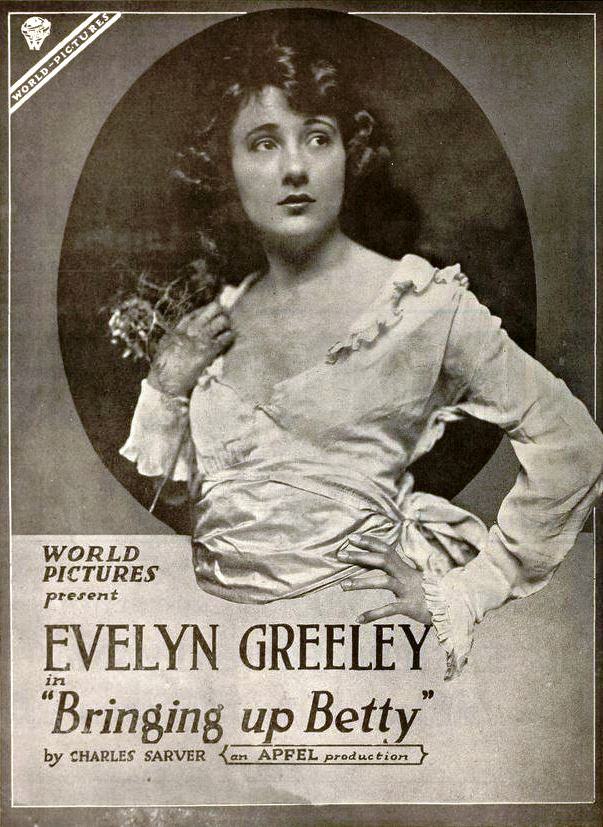
In Bringing Up Betty, Oscar Apfel pushes the boundaries of conventional narrative. The film's unique approach to its subject matter has sparked endless debates and interpretations among cinephiles and critics alike.
| Cinematography | Noir-Inspired |
| Soundtrack | Synth-Heavy |
| Editing | Rhythmic |
| Art Direction | Naturalist |
Visualizing the convergence of Oscar Apfel's style and the core cult narrative.
During a lawn party at his New York home, steel magnate Theodore Morton claims that he is bankrupt to deter Lord Dormer and the Duke of Medonia, two fortune-hunters competing for his niece Betty. After the suitors depart, unscrupulous Carl Gates is informed by his fiancée, banker's secretary Adele Shelby, that Theodore was lying. Carl pursues Betty, who accepts his proposal with the belief that the marriage will benefit her uncle. During a yachting expedition with Carl, Betty falls overboard and is rescued by architect Tom Waring, who is competing in a race. Tom wins with Betty on board, and a romance develops. Adele learns of Carl's deceit and informs Theodore, who conspires with his banker to ruin Carl in the stock market. The scheme earns them $700,000, which they offer to Adele if she marries her unfaithful fiancé. She accepts, leaving Betty free to marry Tom.
Decades after its release, Bringing Up Betty remains a vital piece of the cinematic puzzle. Its influence can be seen in countless modern works, solidifying Oscar Apfel's status as a master of the craft in United States and beyond.