
DbcultAccessing Vault...
Director's Spotlight
Senior Film Conservator
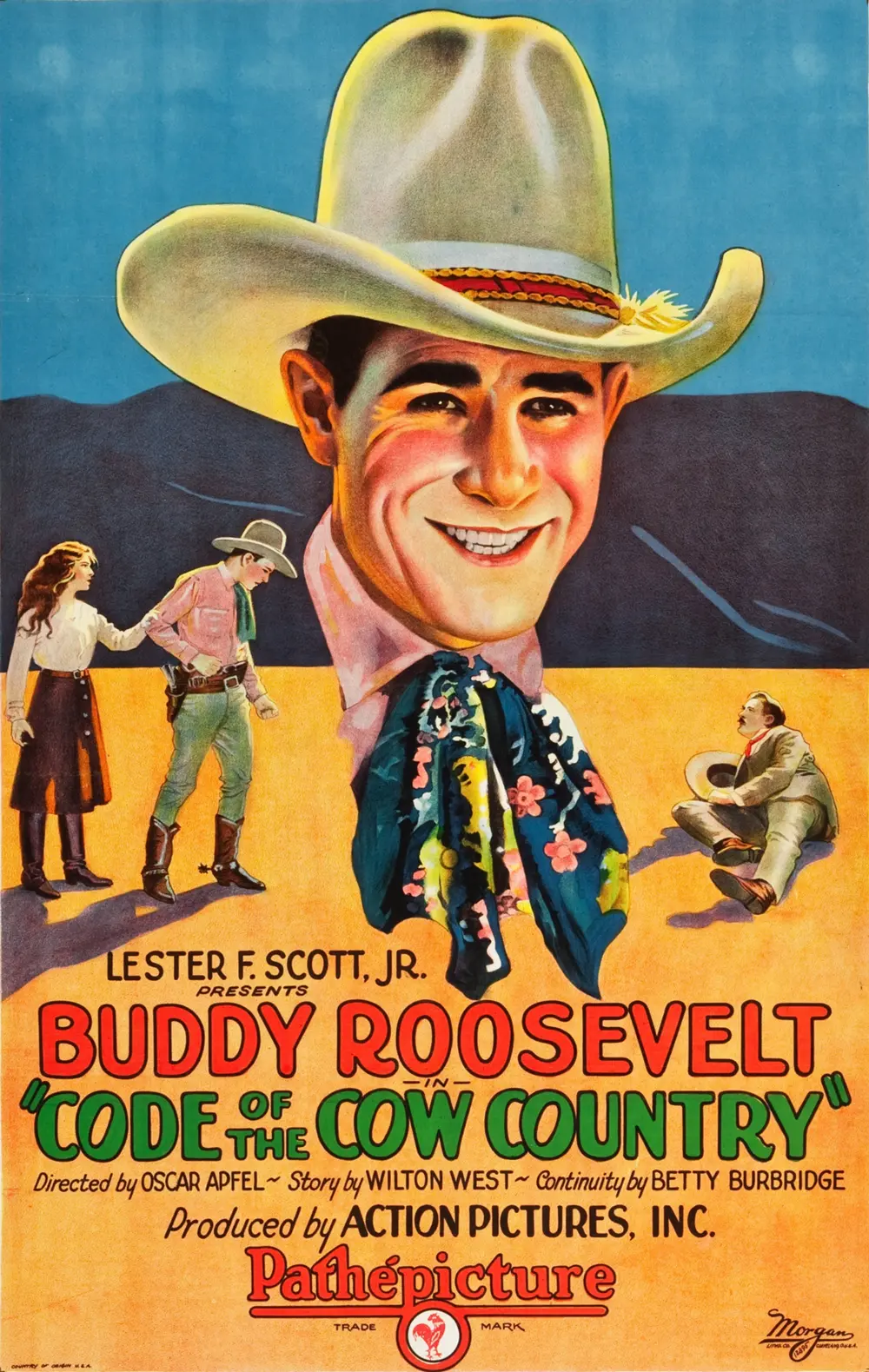
Director's Spotlight: United States
A Deep Dive into the 1927 Vision of Oscar Apfel
To understand the modern evolution of United States film, one must first look at Code of the Cow Country and the meticulous attention to detail that Oscar Apfel applied to every frame. Reflecting the political and social shifts of the 1927s, it showcases the power of Drama as a tool for social commentary.
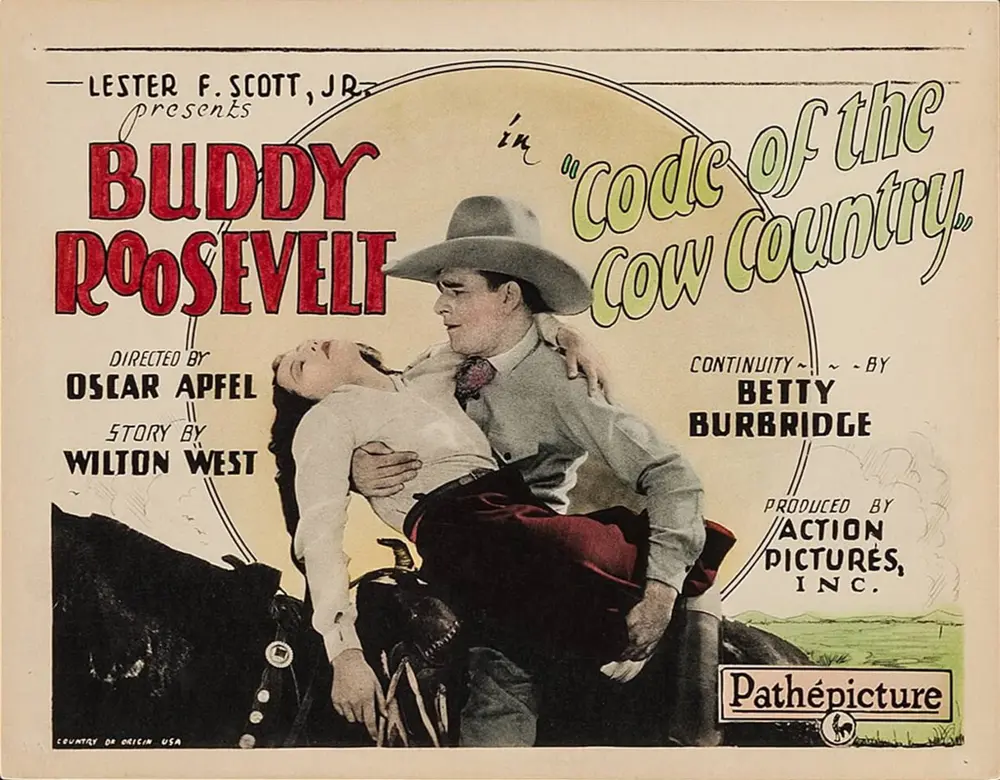
In Code of the Cow Country, Oscar Apfel pushes the boundaries of conventional narrative. The film's unique approach to its subject matter has sparked endless debates and interpretations among cinephiles and critics alike.
| Cinematography | Handheld |
| Soundtrack | Synth-Heavy |
| Editing | Rhythmic |
| Art Direction | Naturalist |
Visualizing the convergence of Oscar Apfel's style and the core Drama narrative.
Jim West, foreman of John Calhoun's ranch, falls in love with Helen, the boss's daughter, after rescuing her from a runaway horse. Her brother, Ted, falls into the companionship of Bill Jackson, a notorious gambler and saloon keeper, who persuades Ted to sign I. O. U.'s while under the influence of alcohol. Jim, in company with Red Irwin, a tough deputy sheriff, confronts the gambler and forces a confession. Jackson plans a raid on the Calhoun cattle, forcing Ted to be his ally. Dolores, a dancehall girl, overhears the plot and tells Jim, causing Helen to misunderstand his motives. Jim's men capture the bandits, and Ted is forgiven by his father when he is wounded in a fight with Jackson. Jim is reunited with Helen after explaining his relation to Dolores.
Decades after its release, Code of the Cow Country remains a vital piece of the cinematic puzzle. Its influence can be seen in countless modern works, solidifying Oscar Apfel's status as a master of the craft in United States and beyond.