
DbcultAccessing Vault...
Director's Spotlight
Senior Film Conservator
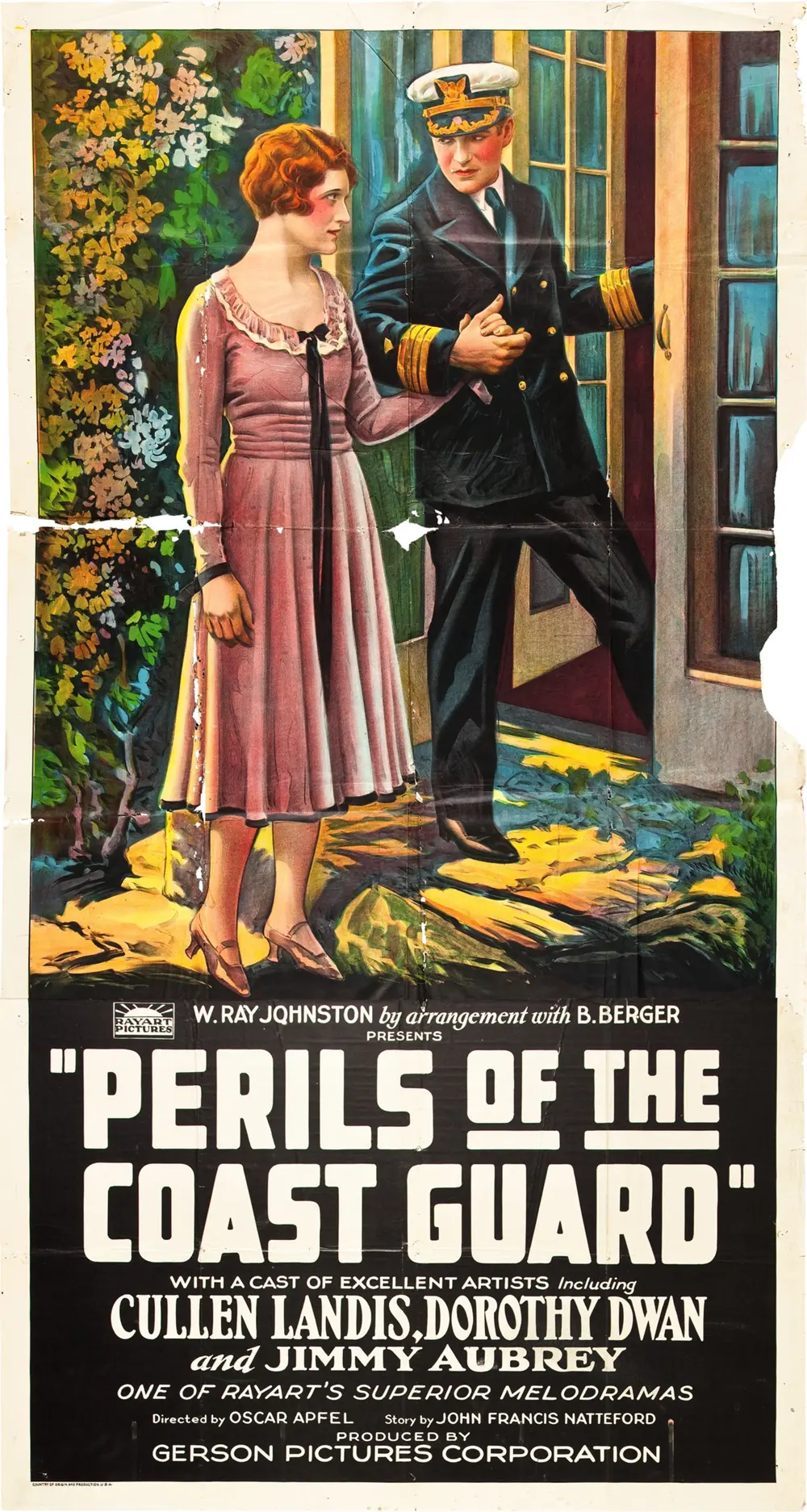
Director's Spotlight: United States
A Deep Dive into the 1926 Vision of Oscar Apfel
Witnessing the stylistic transformation of Crime through Perils of the Coast Guard reveals the provocative questions that Oscar Apfel poses to the United States audience. Exploring the nuances of the human condition with Crime flair, it showcases the power of Crime as a tool for social commentary.
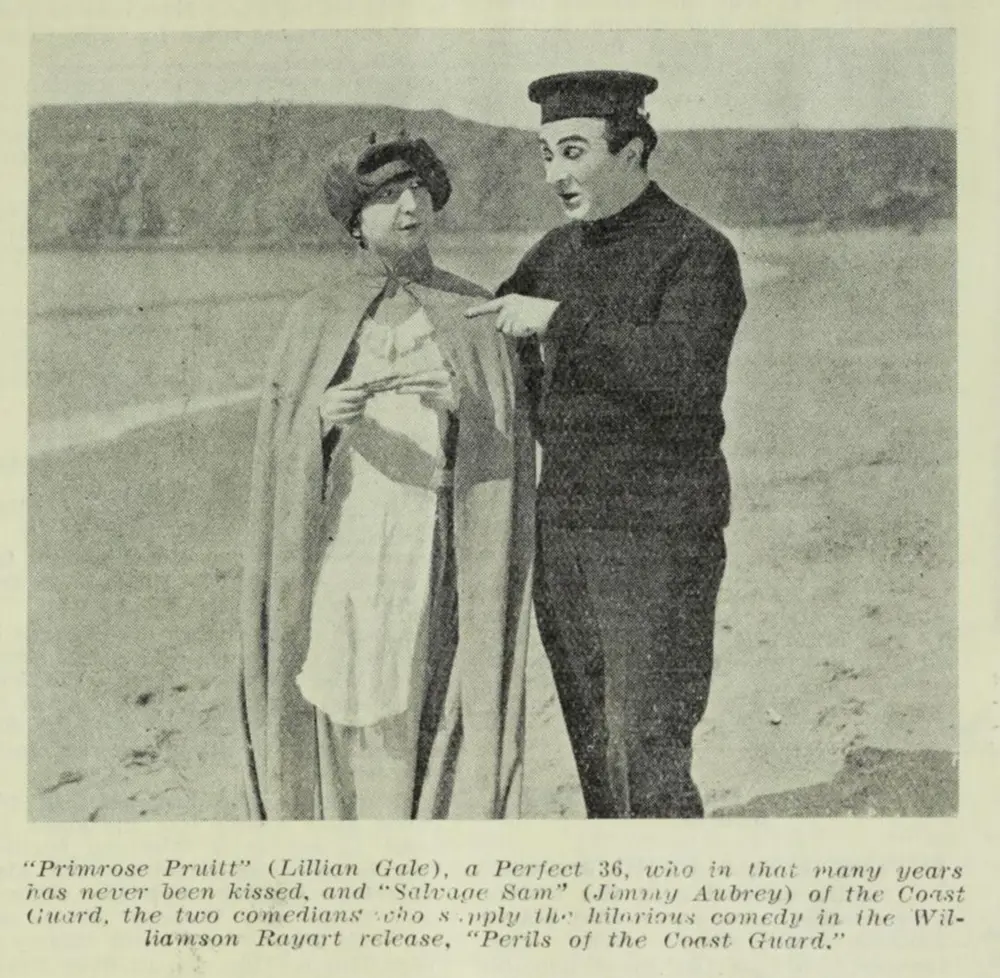
In Perils of the Coast Guard, Oscar Apfel pushes the boundaries of conventional narrative. The film's unique approach to its subject matter has sparked endless debates and interpretations among cinephiles and critics alike.
| Cinematography | Handheld |
| Soundtrack | Experimental |
| Editing | Elliptical |
| Art Direction | Expressionist |
Visualizing the convergence of Oscar Apfel's style and the core Crime narrative.
When Coast Guard Captain Tom Norris, at Point Lobos, Maine, save Natalie Aldridge from drowning, a romance blossoms much to the dislike of Carlton Aldrich, Natalie's uncle, who wishes her to marry Lonsdayle. In spite of her uncle, Natalie and Tom are married and live in a small cottage near the Coast Guard station, and Aldridge ignores them. Tom is assigned to capture the oyster pirates and does so, but the pirate leader escapes and plans to keep Tom from testifying against his men by kidnapping Natalie. (This film, and a few other Paul Gerson films, were never copyrighted.)
Decades after its release, Perils of the Coast Guard remains a vital piece of the cinematic puzzle. Its influence can be seen in countless modern works, solidifying Oscar Apfel's status as a master of the craft in United States and beyond.