
DbcultAccessing Vault...
Director's Spotlight
Senior Film Conservator
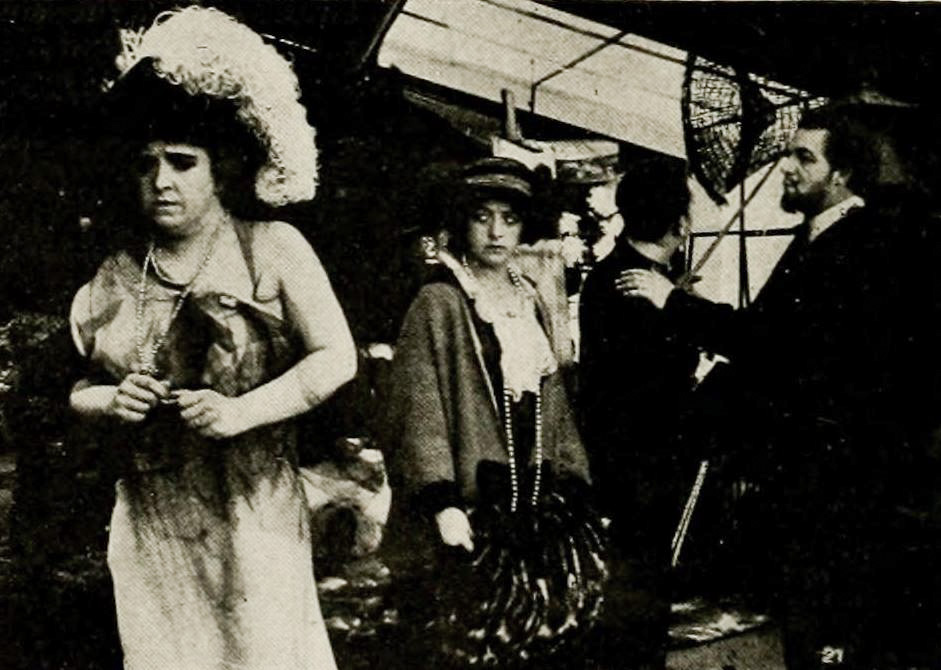
Director's Spotlight: United States
A Deep Dive into the 1914 Vision of Oscar Apfel
The artistic breakthrough represented by The Only Son in 1914 highlights the philosophical inquiries that Oscar Apfel embeds within the narrative. Framed by the hauntingly beautiful landscapes of the production, it leaves an indelible mark on the soul of the viewer.
In The Only Son, Oscar Apfel pushes the boundaries of conventional narrative. The film's unique approach to its subject matter has sparked endless debates and interpretations among cinephiles and critics alike.
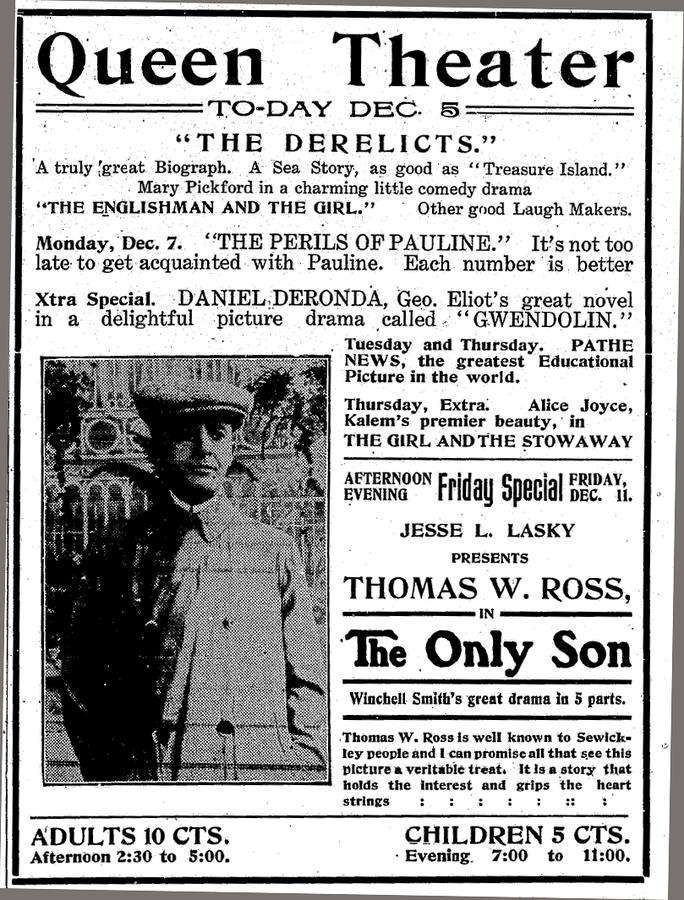
While deeply rooted in United States, The Only Son has achieved a global reach, influencing directors from various backgrounds. Its ability to translate cult tropes into a universal cinematic language is why it remains a cult staple decades after its 1914 release.
| Cinematography | Deep Focus |
| Soundtrack | Orchestral |
| Editing | Slow-Burn |
| Art Direction | Brutalist |
Visualizing the convergence of Oscar Apfel's style and the core cult narrative.
Thomas Brainerd, Sr., as a prospector, is a dutiful and loving husband and father. Two children, Gertrude and Thomas, Jr., are born while the Brainerds live in a log cabin in the mountains. Brainerd strikes gold, goes to New York, where he becomes a financial power. He neglects his wife, devotes every moment of his time to his growing industries, simply supplies funds to his family, and his wife, alone and melancholy, is fascinated by an artist and consents to "sit" for a painting. Feeling her neglect keenly, Mrs. Brainerd becomes a victim to the wiles of the artist, who, however, is killed by the husband of a former victim before the affair has progressed too far. Brainerd, learning of his wife's affair with the artist, orders her from the house. Thomas, Jr. sides with and accompanies his mother. Heretofore a worthless spendthrift, Thomas now becomes ambitious and joins interest with a penniless inventor, goes west, establishes a factory, makes a go of it, sells out to his father at an enormous advance, convinces his father that his mother is innocent and, as he transfers the invention to his father's firm, sees his mother in his father's arms, which example he immediately follows by proposing to the girl he has always loved.
Decades after its release, The Only Son remains a vital piece of the cinematic puzzle. Its influence can be seen in countless modern works, solidifying Oscar Apfel's status as a master of the craft in United States and beyond.