
DbcultAccessing Vault...
Director's Spotlight
Senior Film Conservator
Director's Spotlight: United States
A Deep Dive into the 1925 Vision of Oscar Apfel
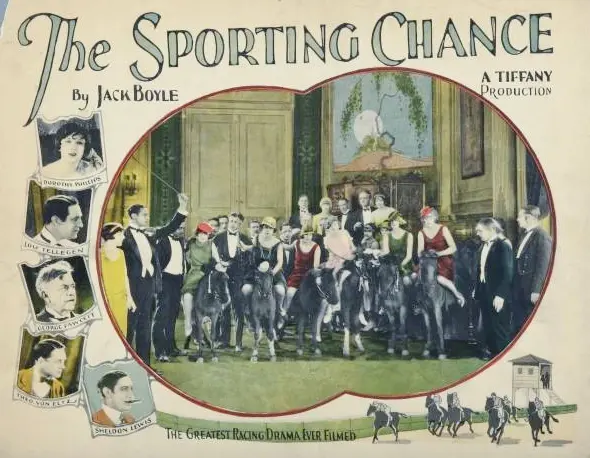
The artistic breakthrough represented by The Sporting Chance in 1925 highlights the philosophical inquiries that Oscar Apfel embeds within the narrative. Framed by the hauntingly beautiful landscapes of the production, it leaves an indelible mark on the soul of the viewer.
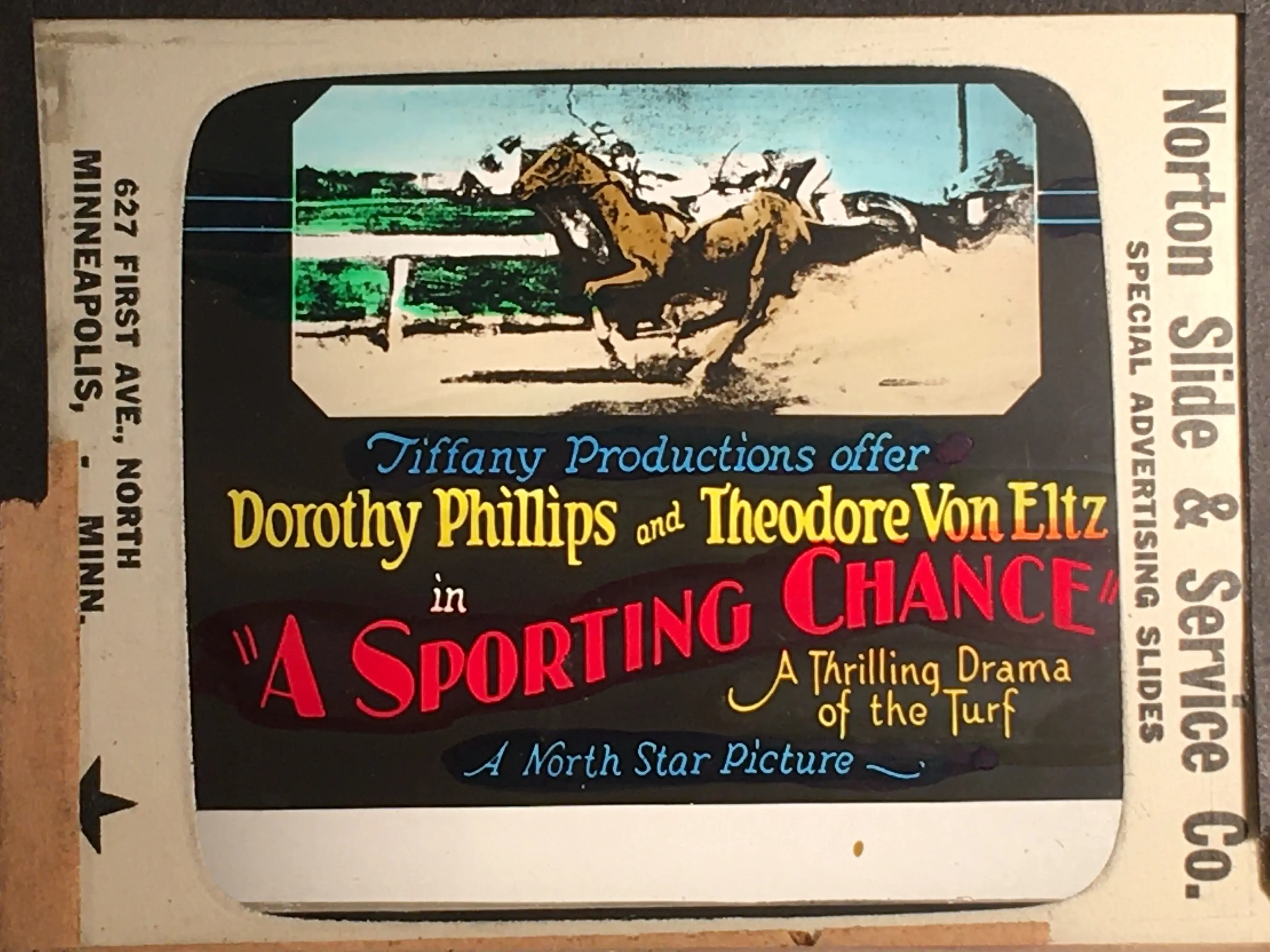
In The Sporting Chance, Oscar Apfel pushes the boundaries of conventional narrative. The film's unique approach to its subject matter has sparked endless debates and interpretations among cinephiles and critics alike.
| Cinematography | Handheld |
| Soundtrack | Orchestral |
| Editing | Slow-Burn |
| Art Direction | Brutalist |
Visualizing the convergence of Oscar Apfel's style and the core Sport narrative.
Pat Winthrop becomes engaged to Bob Shelby, a southerner who owns Kentucky Boy, a horse entered in the Nassau Handicap. To save her father from going to jail, Pat later breaks her engagement to Bob and accepts the proposal of Darrell Thornton, a smooth bounder insincere in racing as in love. Bob owes Thornton money, and, the night before the handicap, Thornton attaches Kentucky Boy. Bob steals the horse from his stall, and Bob's jockey rides him to victory. The purse saves Pat's father from jail and allows Bob to repay Thornton. Pat and Bob are married.
Decades after its release, The Sporting Chance remains a vital piece of the cinematic puzzle. Its influence can be seen in countless modern works, solidifying Oscar Apfel's status as a master of the craft in United States and beyond.