
DbcultAccessing Vault...
Director's Spotlight
Senior Film Conservator
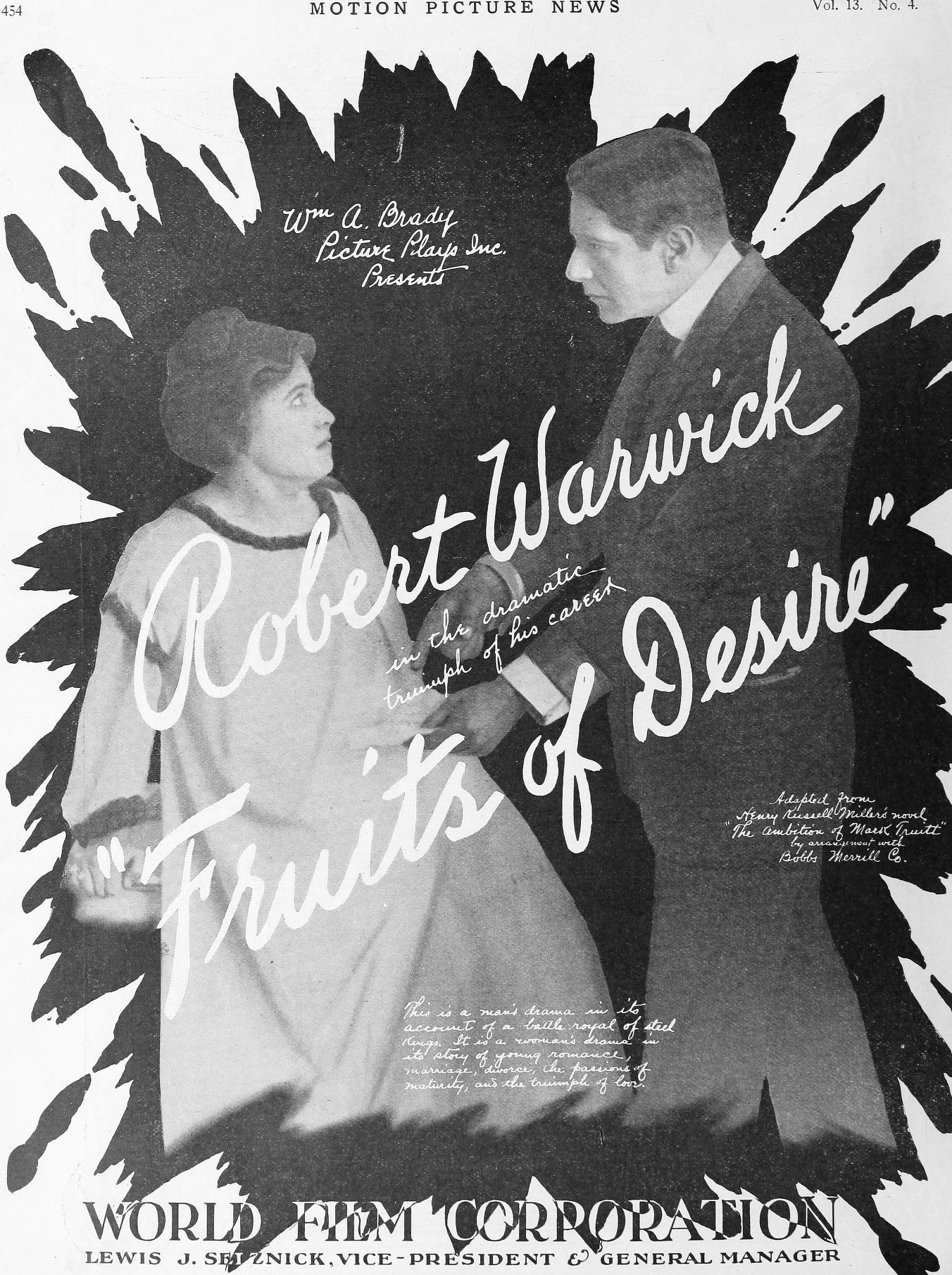
Director's Spotlight: United States
A Deep Dive into the 1916 Vision of Oscar Eagle
Under the meticulous guidance of Oscar Eagle, Fruits of Desire became the complex thematic architecture established by Oscar Eagle. Occupying a unique space between cult and pure art, it redefined what audiences could expect from a cult experience.
In Fruits of Desire, Oscar Eagle pushes the boundaries of conventional narrative. The film's unique approach to its subject matter has sparked endless debates and interpretations among cinephiles and critics alike.
While deeply rooted in United States, Fruits of Desire has achieved a global reach, influencing directors from various backgrounds. Its ability to translate cult tropes into a universal cinematic language is why it remains a cult staple decades after its 1916 release.
| Cinematography | Noir-Inspired |
| Soundtrack | Diegetic |
| Editing | Elliptical |
| Art Direction | Expressionist |
Visualizing the convergence of Oscar Eagle's style and the core cult narrative.
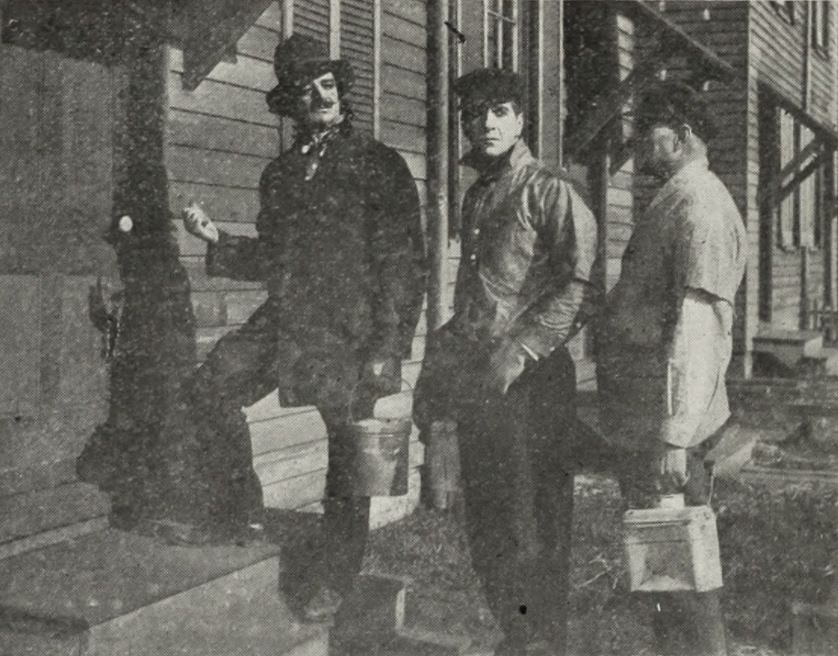
Mark Truitt dreams of becoming a steel magnate, so he leaves his home in the country and his sweetheart Unity, and settles in Pittsburgh. He starts out as a laborer in the steel mill, but soon becomes a foreman and then a superintendent. Mark lives with the shop foreman, whose daughter Kazia falls in love with him. Truitt, however, returns alone to his hometown and builds his own mill. Wealthy now, he marries Unity, but money changes her, so the couple gets a divorce. In the end, Mark goes back to Pittsburgh, finds Kazia, who has never stopped loving him, and marries her.
Decades after its release, Fruits of Desire remains a vital piece of the cinematic puzzle. Its influence can be seen in countless modern works, solidifying Oscar Eagle's status as a master of the craft in United States and beyond.