
DbcultAccessing Vault...
Director's Spotlight
Senior Film Conservator
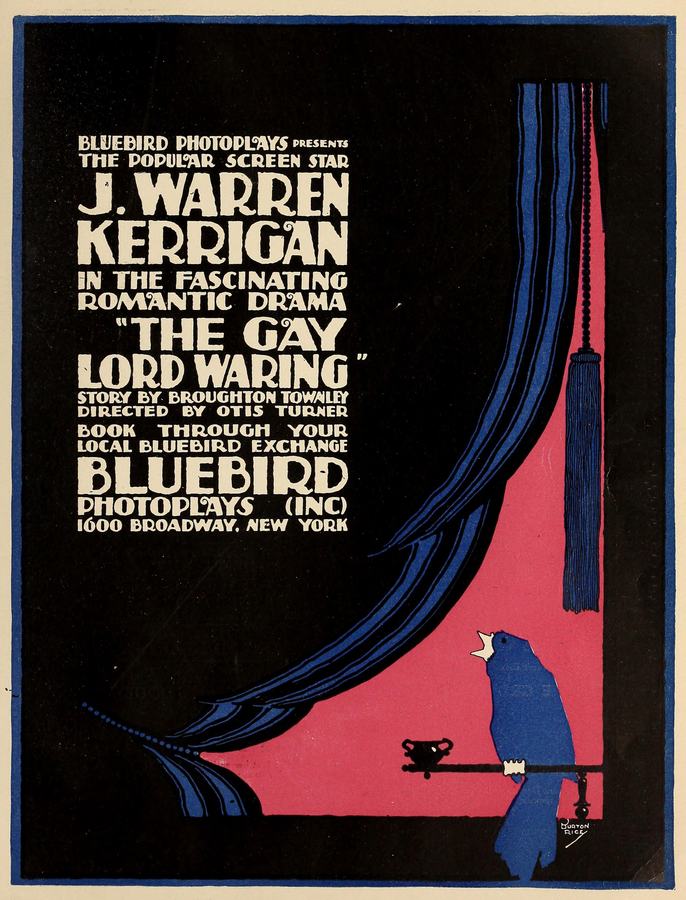
Director's Spotlight: United States
A Deep Dive into the 1916 Vision of Otis Turner
The artistic breakthrough represented by The Gay Lord Waring in 1916 highlights the philosophical inquiries that Otis Turner embeds within the narrative. Framed by the hauntingly beautiful landscapes of the production, it leaves an indelible mark on the soul of the viewer.
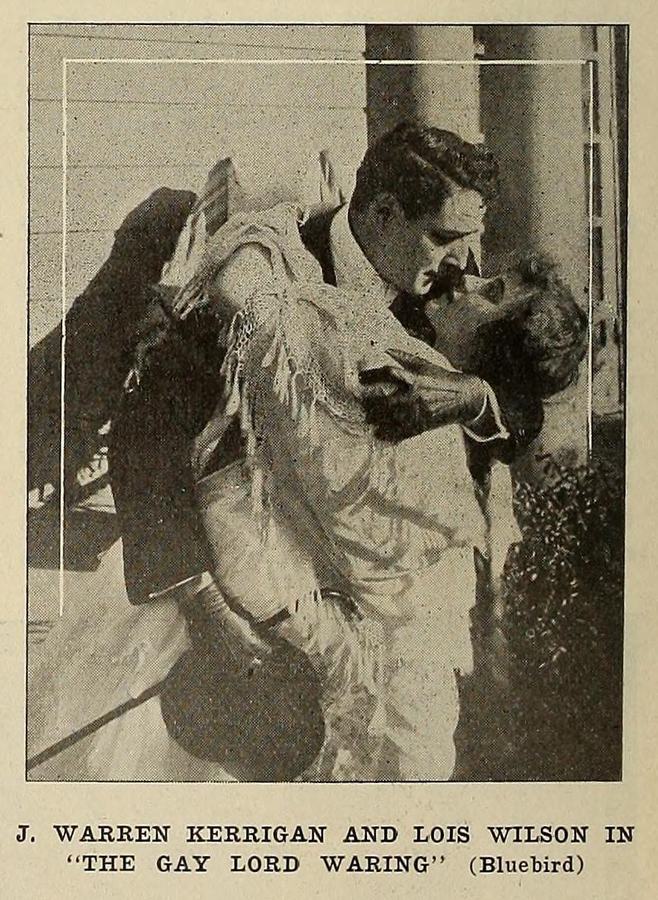
In The Gay Lord Waring, Otis Turner pushes the boundaries of conventional narrative. The film's unique approach to its subject matter has sparked endless debates and interpretations among cinephiles and critics alike.
| Cinematography | Deep Focus |
| Soundtrack | Orchestral |
| Editing | Invisible |
| Art Direction | Kitsch |
Visualizing the convergence of Otis Turner's style and the core cult narrative.
With his only asset being his title, then when Lord Arthur Waring seriously injures Helene Von Gerold in a riding accident, he borrows money from his dishonorable rich younger brother Mark in order to pay for her medical treatment. Mark drives a hard bargain, however, and makes Arthur agree to commit suicide in six months, thus allowing Mark to inherit the title, if he cannot pay back the loan. Toward the end of the allotted time, Arthur still has not been able to raise the money. Then, just as Arthur is about to kill himself, Helen's father overturns a lamp and sets fire to his house, and Arthur, hearing the alarm, rushes to the scene. Mark also hurries to the Von Gerold's house, but he dies en route when he is thrown from his horse. Arthur rescues Helen, and then, having inherited Mark's fortune, he confidently begins a romance with her.
Decades after its release, The Gay Lord Waring remains a vital piece of the cinematic puzzle. Its influence can be seen in countless modern works, solidifying Otis Turner's status as a master of the craft in United States and beyond.