
DbcultAccessing Vault...
Director's Spotlight
Senior Film Conservator
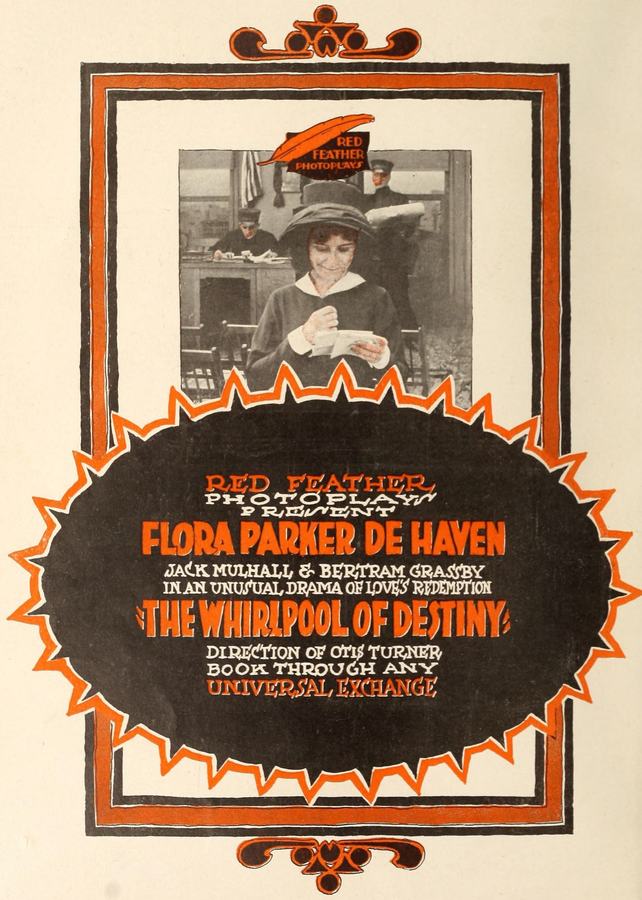
Director's Spotlight: United States
A Deep Dive into the 1916 Vision of Otis Turner
To understand the modern evolution of United States film, one must first look at The Whirlpool of Destiny and the meticulous attention to detail that Otis Turner applied to every frame. Reflecting the political and social shifts of the 1916s, it showcases the power of cult as a tool for social commentary.
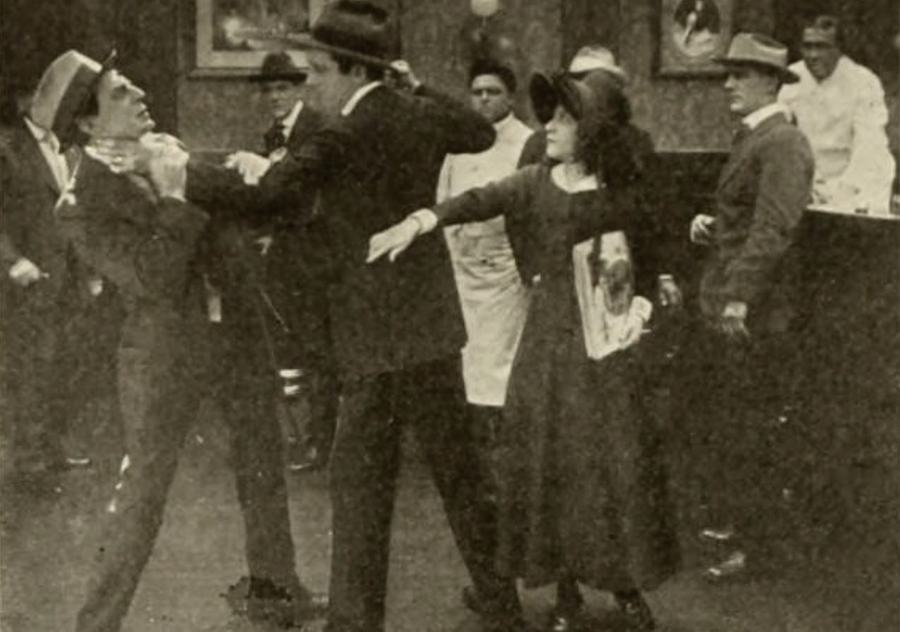
In The Whirlpool of Destiny, Otis Turner pushes the boundaries of conventional narrative. The film's unique approach to its subject matter has sparked endless debates and interpretations among cinephiles and critics alike.
| Cinematography | Static |
| Soundtrack | Diegetic |
| Editing | Elliptical |
| Art Direction | Expressionist |
Visualizing the convergence of Otis Turner's style and the core cult narrative.
Young and wild, George Bell lives with his rancher father, Thomas Bell, in Paradise Valley, California. When George sells his father's favorite horse, Mr. Bell turns him out, and George becomes a grain salesman in St. Louis. Meanwhile, Polly Martin lives with her father Bill, an ex-businessman who has sunk to day-labor because of his addiction to alcohol. Bill frequently abuses Polly, and when he falls to his death from a high girder, Polly becomes a nurse in the Salvation Army in St. Louis. George falls in love with Polly after he saves her from the advances of a drunk, but she will not marry him because of his wild past. Instead, she applies for a job in Paradise Valley as a nurse, where she renders aid to Thomas Bell, who has broken his leg. She nurses him back to health at his ranch, and he grows fond of her. Eventually, George learns that Polly is in Paradise Valley and follows her to the ranch. When Thomas discovers that his son loves Polly, he sacrifices his love for George's happiness, and all live together as a family.
Decades after its release, The Whirlpool of Destiny remains a vital piece of the cinematic puzzle. Its influence can be seen in countless modern works, solidifying Otis Turner's status as a master of the craft in United States and beyond.