
DbcultAccessing Vault...
Director's Spotlight
Senior Film Conservator
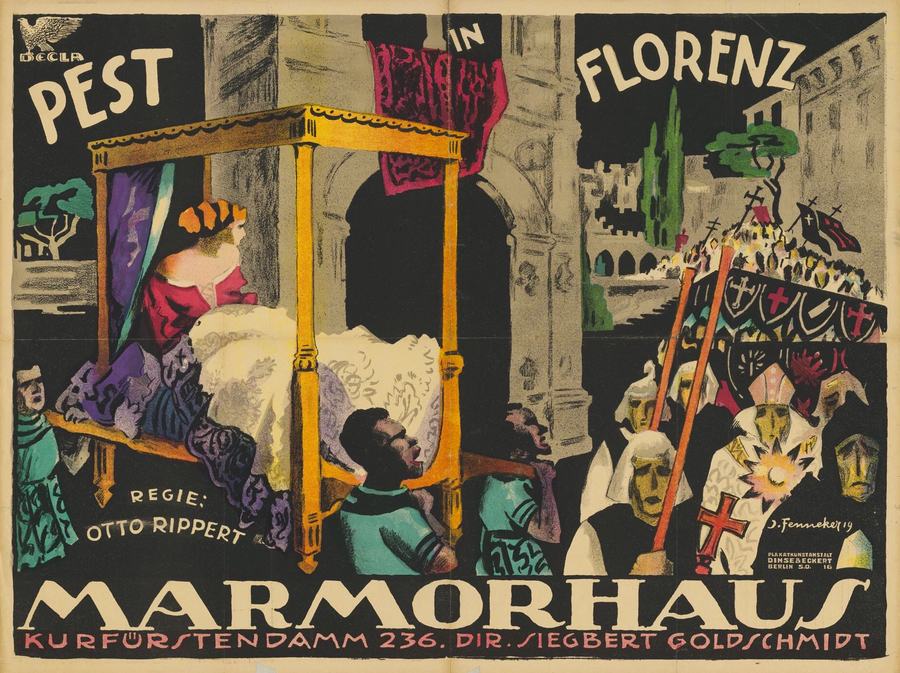
Director's Spotlight: Germany
A Deep Dive into the 1919 Vision of Otto Rippert
When we examine the cinematic landscape of Germany, Pest in Florenz emerges as a landmark work of the unique directorial voice that Otto Rippert brought to the screen. This film stands as a masterclass in visual storytelling, it demands to be seen by anyone who cares about the art of film.
In Pest in Florenz, Otto Rippert pushes the boundaries of conventional narrative. The film's unique approach to its subject matter has sparked endless debates and interpretations among cinephiles and critics alike.

In this work, Otto Rippert explores the intersection of cult and Germany cultural identity. The meticulous attention to detail suggests a deep-seated commitment to pushing the boundaries of the medium, ensuring that Pest in Florenz remains a relevant topic of study for cult enthusiasts.
| Cinematography | High-Contrast |
| Soundtrack | Minimalist |
| Editing | Slow-Burn |
| Art Direction | Brutalist |
Visualizing the convergence of Otto Rippert's style and the core cult narrative.
Suddenly appearing in Florence, an evil seductress causes Cesare, the city's ruler, and his son to both fall madly in love with her. The son, killing his father before an order to torture the woman can be carried out, then turns the city's churches into dens of sexual debauchery. Acts of evil and corruption continue unabated until the arrival of Death, who brings with her a horrible plague which she is about to loose upon the city.
Decades after its release, Pest in Florenz remains a vital piece of the cinematic puzzle. Its influence can be seen in countless modern works, solidifying Otto Rippert's status as a master of the craft in Germany and beyond.