
DbcultAccessing Vault...
Director's Spotlight
Senior Film Conservator
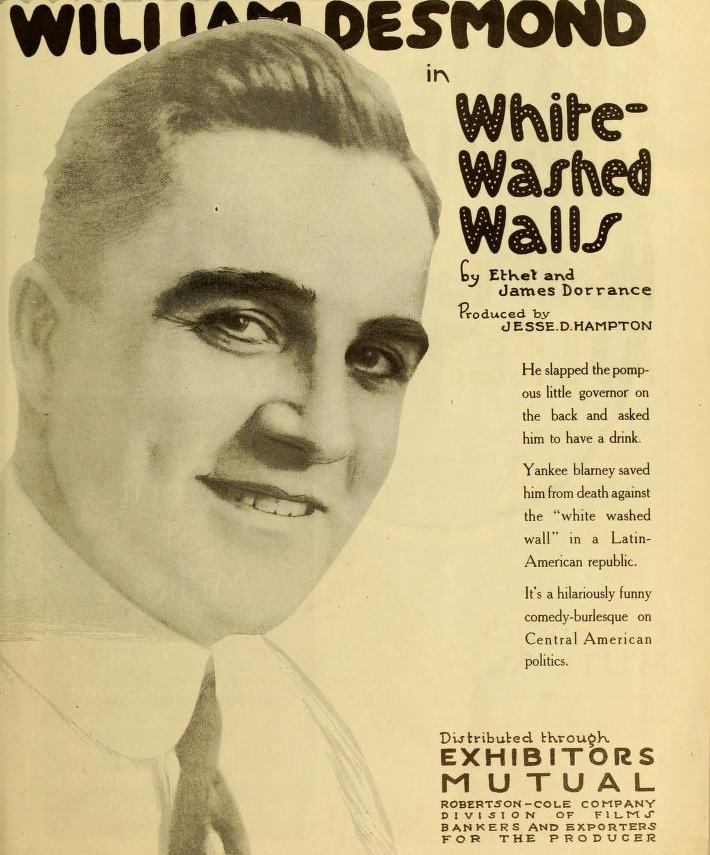
Director's Spotlight: United States
A Deep Dive into the 1919 Vision of Park Frame
The brilliance of Whitewashed Walls (1919) is inseparable from a monumental shift in cult filmmaking spearheaded by Park Frame. Occupying a unique space between cult and pure art, it serves as a blueprint for future generations of cult directors.
In Whitewashed Walls, Park Frame pushes the boundaries of conventional narrative. The film's unique approach to its subject matter has sparked endless debates and interpretations among cinephiles and critics alike.
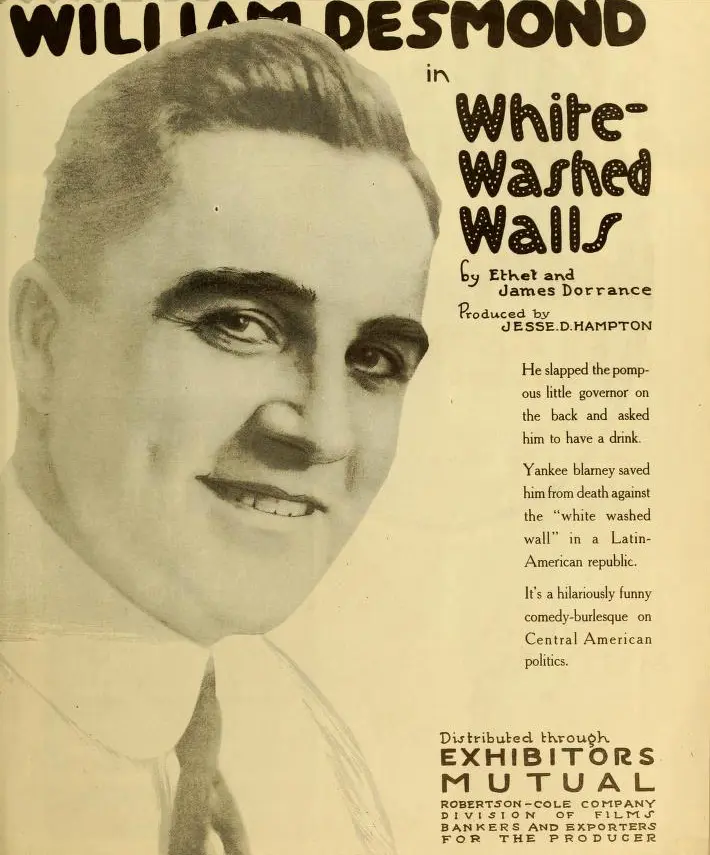
To fully appreciate Whitewashed Walls, one must consider the cinematic climate of 1919. During this period, United States was undergoing significant artistic shifts, and Park Frame was at the forefront of this cult movement, often challenging established norms.
| Cinematography | Handheld |
| Soundtrack | Experimental |
| Editing | Invisible |
| Art Direction | Kitsch |
Visualizing the convergence of Park Frame's style and the core cult narrative.
In the tiny Latin American country of Altamura, American architect, sculptor, and adventurer Larry Donovan is executing a magnificent palace for the vain, diminutive Governor Romero, who is angered by Larry's lack of respect. After leading his co-workers in a riotous Fourth of July celebration, Larry responds to the insults of Generalissimo Pedro Mendez by knocking him out. Mendez' sweetheart Rosa, plotting for Mendez to be governor, hides him in the mountains and fakes his funeral so that Larry will be executed and Romero thrown out. When Larry is taken to the whitewashed execution wall, however, he appeals to Romero's conceit and gets a one-week reprieve to build a statue of Romero for the palace. Before his time is up, Larry receives a gun in jail from an Irish friend using the name of Patricio Cassidano, who also proves that Larry did not kill the now deceased Mendez. After he uses Romero as a shield to escape, Larry obtains Romero's consent to marry his pretty niece Concha.
Decades after its release, Whitewashed Walls remains a vital piece of the cinematic puzzle. Its influence can be seen in countless modern works, solidifying Park Frame's status as a master of the craft in United States and beyond.