
DbcultAccessing Vault...
Director's Spotlight
Senior Film Conservator
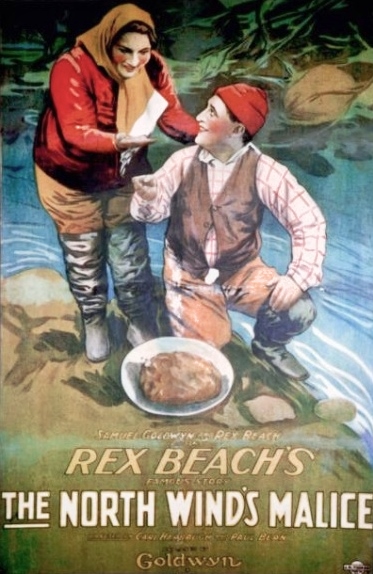
Director's Spotlight: United States
A Deep Dive into the 1920 Vision of Paul Bern
The brilliance of The North Wind's Malice (1920) is inseparable from a monumental shift in Drama filmmaking spearheaded by Paul Bern. Occupying a unique space between Drama and pure art, it serves as a blueprint for future generations of Drama directors.
In The North Wind's Malice, Paul Bern pushes the boundaries of conventional narrative. The film's unique approach to its subject matter has sparked endless debates and interpretations among cinephiles and critics alike.
| Cinematography | Deep Focus |
| Soundtrack | Minimalist |
| Editing | Disjunctive |
| Art Direction | Baroque |
Visualizing the convergence of Paul Bern's style and the core Drama narrative.
When Lois Folsom's continual complaints about her husband Roger's sloppiness finally drive him out of the house, Lois seeks solace in the company of their friend, Henry Carter. Roger's brother Tom, angry at Lois because of her interference in his courtship of Dorothy Halstead, the ward of Jewish storekeeper Abe Guth, informs his brother that Lois has kissed Carter. This knowledge propels him to accept Jack Harkness' invitation to join in a gold mining expedition of Arctic City in Alaska. Unaware that his wife is pregnant, Roger leaves, and Lois, who is now desperate, accepts Carter's care. In the meantime, the Guth's store is destroyed by fire and Tom sustains the family by stealing food, but is jailed for his efforts. After Lois' baby is born, Carter ventures North to inform Roger. After an initial confrontation between the two men, Roger returns to his wife and frees Tom from jail. Tom, realizing the damage that his lies have caused, confesses his deceit and wins Dorothy's heart.
Decades after its release, The North Wind's Malice remains a vital piece of the cinematic puzzle. Its influence can be seen in countless modern works, solidifying Paul Bern's status as a master of the craft in United States and beyond.