
DbcultAccessing Vault...
Director's Spotlight
Senior Film Conservator
Director's Spotlight: United States
A Deep Dive into the 1925 Vision of Paul Bern
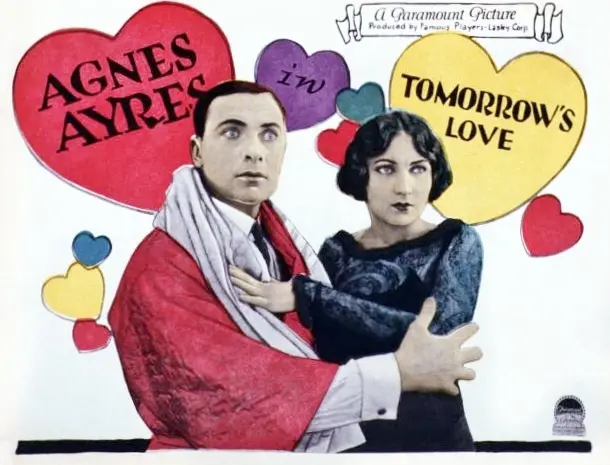
As we revisit the 1925 masterpiece Tomorrow's Love, we are struck by the atmospheric immersion that Paul Bern achieves throughout Tomorrow's Love. Exploring the nuances of the human condition with Drama flair, it solidifies Paul Bern's reputation as a master of the craft.
In Tomorrow's Love, Paul Bern pushes the boundaries of conventional narrative. The film's unique approach to its subject matter has sparked endless debates and interpretations among cinephiles and critics alike.
To fully appreciate Tomorrow's Love, one must consider the cinematic climate of 1925. During this period, United States was undergoing significant artistic shifts, and Paul Bern was at the forefront of this Drama movement, often challenging established norms.
| Cinematography | Static |
| Soundtrack | Orchestral |
| Editing | Invisible |
| Art Direction | Kitsch |
Visualizing the convergence of Paul Bern's style and the core Drama narrative.
Judith marries Robert Stanley and for a time, all her dreams of happiness are realized. As the months go by, however, she is increasingly disturbed by his stubborn adherence to annoying habits, wrong beliefs, and small faults, such as leaving the windows open when he is cold and driving an open car in the rain when he feels ill. On one of these aquatic trips, Robert's car breaks down and he is picked up by Bess Carlysle, an old girl friend, who insists that they go to her apartment to dry his clothes. Following a whiskey and a hot bath for his feet, Robert is dancing with Bess when Judith walks in on them. She suspects the worst, and Robert is too stubborn to explain. Judith secures an interlocutory divorce and travels to Europe, while Robert becomes engaged to Bess, more out of pique than love. Shortly before the divorce becomes final, Judith changes her mind and returns to the United States. After a frantic trip by car and boat, she arrives just in time to prevent Tom's remarriage, and they are reconciled.
Decades after its release, Tomorrow's Love remains a vital piece of the cinematic puzzle. Its influence can be seen in countless modern works, solidifying Paul Bern's status as a master of the craft in United States and beyond.