
DbcultAccessing Vault...
Director's Spotlight
Senior Film Conservator
Director's Spotlight: United States
A Deep Dive into the 1927 Vision of Paul L. Stein
As we revisit the 1927 masterpiece The Forbidden Woman, we are struck by the atmospheric immersion that Paul L. Stein achieves throughout The Forbidden Woman. Exploring the nuances of the human condition with Drama flair, it solidifies Paul L. Stein's reputation as a master of the craft.
In The Forbidden Woman, Paul L. Stein pushes the boundaries of conventional narrative. The film's unique approach to its subject matter has sparked endless debates and interpretations among cinephiles and critics alike.
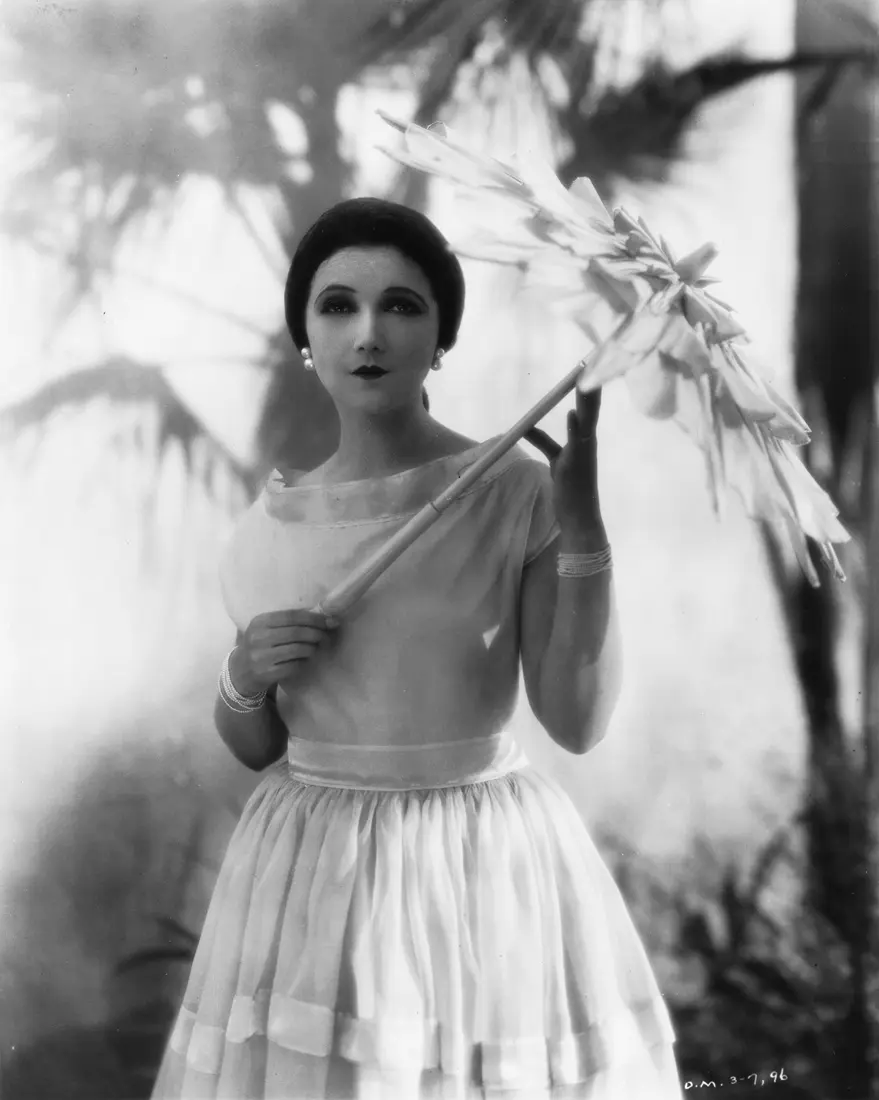
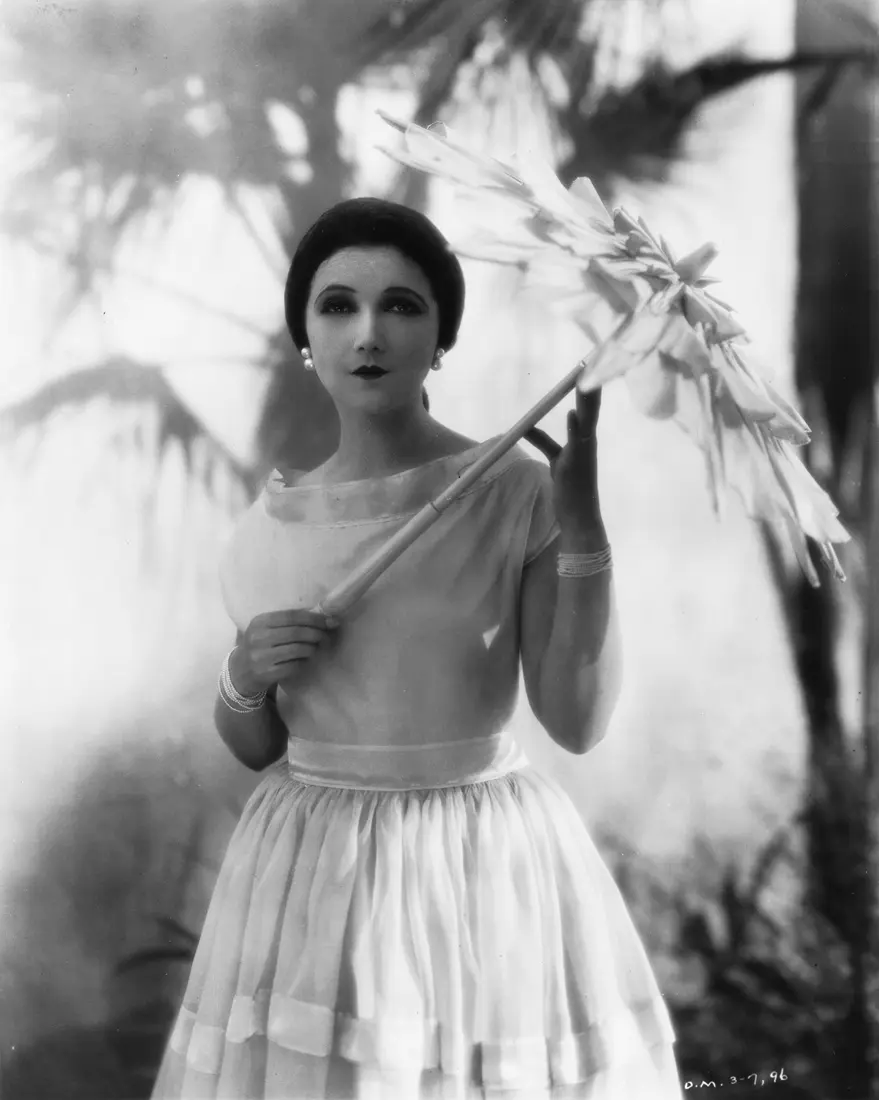
In this work, Paul L. Stein explores the intersection of Drama and United States cultural identity. The meticulous attention to detail suggests a deep-seated commitment to pushing the boundaries of the medium, ensuring that The Forbidden Woman remains a relevant topic of study for Drama enthusiasts.
| Cinematography | Handheld |
| Soundtrack | Experimental |
| Editing | Elliptical |
| Art Direction | Expressionist |
Visualizing the convergence of Paul L. Stein's style and the core Drama narrative.
Zita, a beautiful spy for the Sultan of Morocco, is ordered to obtain military secrets from the French army. The Sultan cleverly arranges for Zita to meet Col. Pierre Gautier, which results in their marriage. This alliance enables Zita to gain valuable information, which she transmits to the Sultan through her maid. Shortly after the wedding, Pierre is called back to France, and Zita follows. During the voyage, she meets internationally famous violinist Jean La Coste, and they fall desperately in love. Upon her arrival, Zita is shocked to learn that Jean is Pierre's younger brother, and both despair over the situation. Pierre soon finds them together, and orders Jean to Morocco. When Jean spurns Zita, she frames him as a spy, but his confession of love prompts her admission of guilt. The reunited brothers witness her execution.
Decades after its release, The Forbidden Woman remains a vital piece of the cinematic puzzle. Its influence can be seen in countless modern works, solidifying Paul L. Stein's status as a master of the craft in United States and beyond.