
DbcultAccessing Vault...
Director's Spotlight
Senior Film Conservator
Director's Spotlight: United States
A Deep Dive into the 1916 Vision of Paul Powell
The artistic breakthrough represented by The Rummy in 1916 highlights the philosophical inquiries that Paul Powell embeds within the narrative. Framed by the hauntingly beautiful landscapes of the production, it leaves an indelible mark on the soul of the viewer.
In The Rummy, Paul Powell pushes the boundaries of conventional narrative. The film's unique approach to its subject matter has sparked endless debates and interpretations among cinephiles and critics alike.
To fully appreciate The Rummy, one must consider the cinematic climate of 1916. During this period, United States was undergoing significant artistic shifts, and Paul Powell was at the forefront of this cult movement, often challenging established norms.
| Cinematography | Noir-Inspired |
| Soundtrack | Orchestral |
| Editing | Invisible |
| Art Direction | Kitsch |
Visualizing the convergence of Paul Powell's style and the core cult narrative.
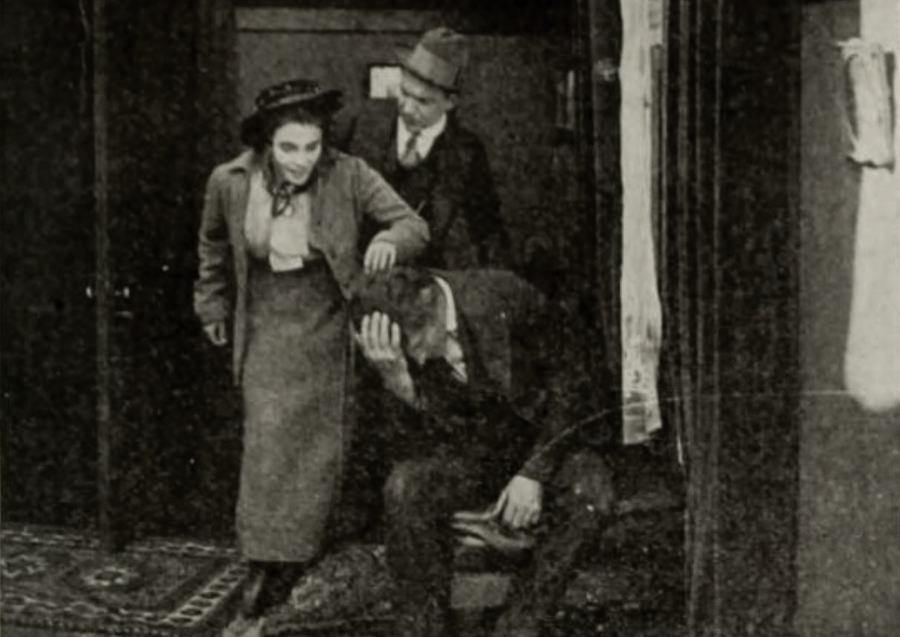
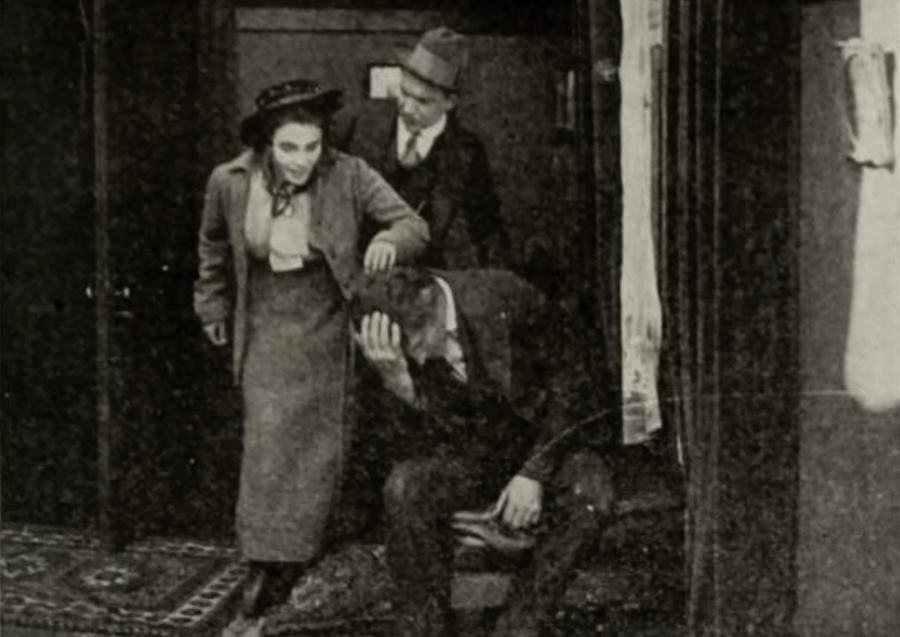
While covering night court for a newspaper, a reporter falls in love with a woman arrested on a prostitution charge. Soon after they are married, however, he catches her with Dan O'Sullivan, the publisher of the newspaper. Although the reporter had always believed his wife innocent of the prostitution charge, he now refuses to accept that she was lured to Dan's room under false pretenses and fought desperately against the publisher's advances. As a result, the reporter leaves his wife, becomes an alcoholic, and loses his job. Then, he gets a lead on a graft story involving Dan, and ultimately discredits him. While working on the story, he also finds proof that his wife had told him the truth, and so he makes up with her, after which he gives up drinking and gets an even better newspaper job than the one he had before.
Decades after its release, The Rummy remains a vital piece of the cinematic puzzle. Its influence can be seen in countless modern works, solidifying Paul Powell's status as a master of the craft in United States and beyond.