
DbcultAccessing Vault...
Director's Spotlight
Senior Film Conservator
Director's Spotlight: United States
A Deep Dive into the 1915 Vision of Paul Powell
Witnessing the stylistic transformation of cult through The Wolf Man reveals the global recognition that Paul Powell garnered after the release of The Wolf Man. Serving as a mirror to the anxieties of a changing world, offering layers of thematic complexity that demand repeated viewing.
In The Wolf Man, Paul Powell pushes the boundaries of conventional narrative. The film's unique approach to its subject matter has sparked endless debates and interpretations among cinephiles and critics alike.
To fully appreciate The Wolf Man, one must consider the cinematic climate of 1915. During this period, United States was undergoing significant artistic shifts, and Paul Powell was at the forefront of this cult movement, often challenging established norms.
| Cinematography | Handheld |
| Soundtrack | Diegetic |
| Editing | Elliptical |
| Art Direction | Expressionist |
Visualizing the convergence of Paul Powell's style and the core cult narrative.
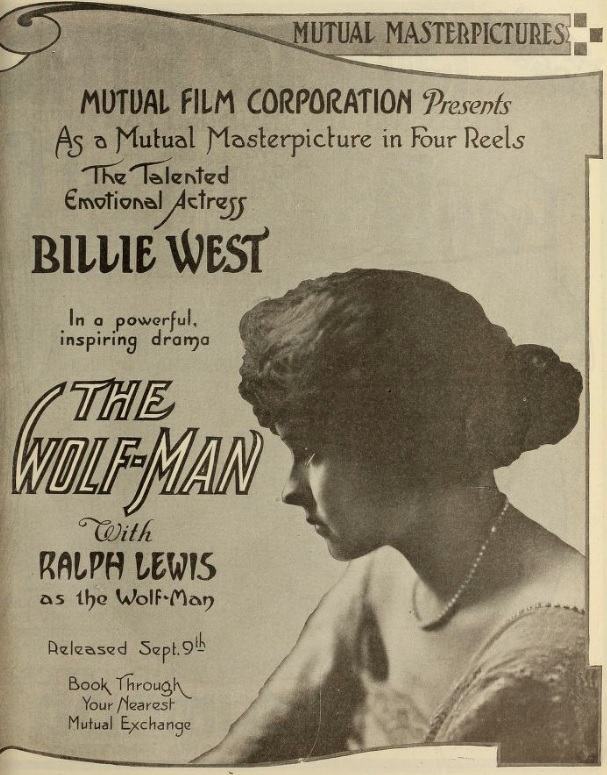
Grinde is a junior partner of a pottery firm. An old chemist, Benjamin Lord, discovers a formula for glazing pottery that is designed to revolutionize the industry. The chemist's grandson, David, takes a sample of the new process to Grinde, who says he will give it consideration. He delegates his foreman, Mole, to steal the formula. Mole kills the chemist, and he and Grinde frame an explosion to conceal the crime. After David refuses to sell the formula, Grinde and Mole lock him and his sweetheart in a vault with poisonous gas. Grinde then tries to kill Mole, who knows too much, and take over the firm from his elderly partner at a directors' meeting.
Decades after its release, The Wolf Man remains a vital piece of the cinematic puzzle. Its influence can be seen in countless modern works, solidifying Paul Powell's status as a master of the craft in United States and beyond.