
DbcultAccessing Vault...
Director's Spotlight
Senior Film Conservator
Director's Spotlight: United States
A Deep Dive into the 1917 Vision of Paul Scardon
The evocative power of Arsene Lupin stems from the unique collaboration between the bold experimentation that has become synonymous with Paul Scardon. Framed by the hauntingly beautiful landscapes of the production, it echoes the profound changes occurring in United States during that era.
In Arsene Lupin, Paul Scardon pushes the boundaries of conventional narrative. The film's unique approach to its subject matter has sparked endless debates and interpretations among cinephiles and critics alike.
In this work, Paul Scardon explores the intersection of cult and United States cultural identity. The meticulous attention to detail suggests a deep-seated commitment to pushing the boundaries of the medium, ensuring that Arsene Lupin remains a relevant topic of study for cult enthusiasts.
| Cinematography | Static |
| Soundtrack | Minimalist |
| Editing | Slow-Burn |
| Art Direction | Brutalist |
Visualizing the convergence of Paul Scardon's style and the core cult narrative.
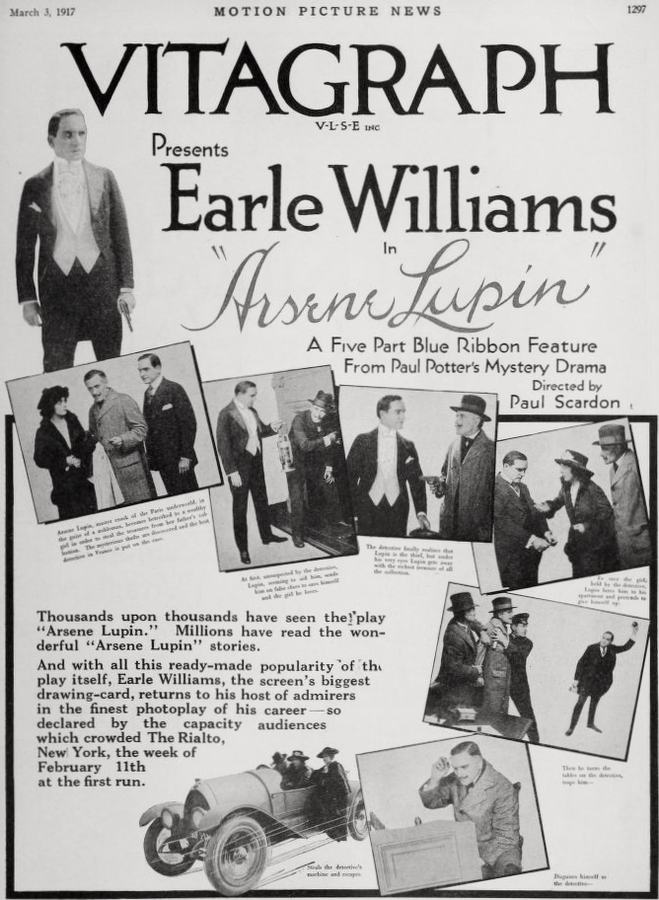
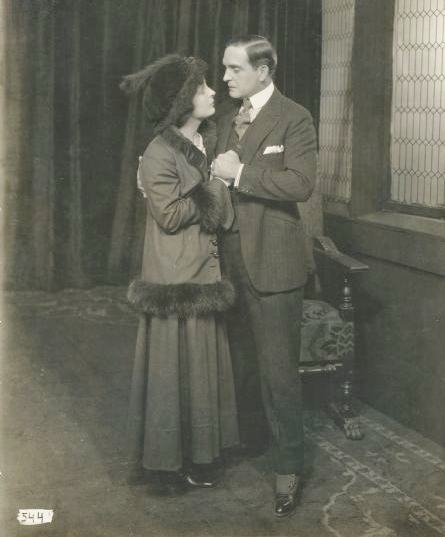
Gifted with charm of manner and a prepossessing appearance, Arsene Lupin, instead of employing his talents along legitimate lines, prefers to match his wits against those of the French police, with the result that he becomes the most celebrated crook of his time. Always after big game, he moves in the most exclusive circles of French society, and takes advantage of an opportunity to pass himself off as the Duke de Charmerace. Assuming the Duke's title and estates, he sets about the delicate task of stealing the rare works of art and the enormously valuable jewels belonging to a M. Guernay-Martin. As the first step in this direction he becomes engaged to Germaine, Guernay-Martin's daughter. Under the cloak of their hospitality he commits a series of audacious robberies, stealing old masters off the walls and always signing his name on the wallpaper to show he committed the theft. The distracted art collector calls in Guerchard, the shrewdest detective in Paris, but even under the nose of this sleuth, the thefts continue as before. Germaine's secretary, Sonla Kritchnoff, attracts more than the passing attention of Lupin and before he has finished with the Guernay-Martins he finds himself in love with her. Guerchard finally draws the net of suspicion so closely about Lupin that the latter is forced to leave the Guernay-Martin home and hide in his own apartment. Just before leaving he discovers that Sonia is also a thief, and the shock of this knowledge determines him to lead a straight life thereafter and take her along with him. Though Guerchard trails him to his hiding place he makes use of an ingenious concealed elevator and at the last exciting moment, slips from between the detective's fingers and escapes with Sonia to safety.
Decades after its release, Arsene Lupin remains a vital piece of the cinematic puzzle. Its influence can be seen in countless modern works, solidifying Paul Scardon's status as a master of the craft in United States and beyond.