
DbcultAccessing Vault...
Director's Spotlight
Senior Film Conservator
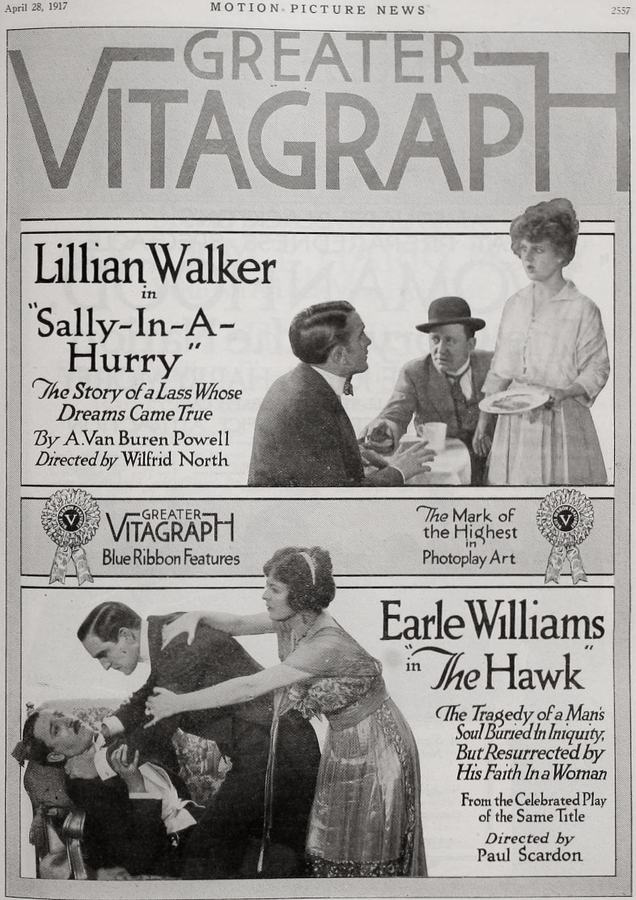
Director's Spotlight: United States
A Deep Dive into the 1917 Vision of Paul Scardon
The artistic breakthrough represented by The Hawk in 1917 highlights the uncompromising vision of Paul Scardon that defines this cult masterpiece. In the context of United States's rich cinematic history, it captures a specific kind of cinematic magic that is rarely replicated.
In The Hawk, Paul Scardon pushes the boundaries of conventional narrative. The film's unique approach to its subject matter has sparked endless debates and interpretations among cinephiles and critics alike.
While deeply rooted in United States, The Hawk has achieved a global reach, influencing directors from various backgrounds. Its ability to translate cult tropes into a universal cinematic language is why it remains a cult staple decades after its 1917 release.
| Cinematography | Static |
| Soundtrack | Experimental |
| Editing | Invisible |
| Art Direction | Kitsch |
Visualizing the convergence of Paul Scardon's style and the core cult narrative.
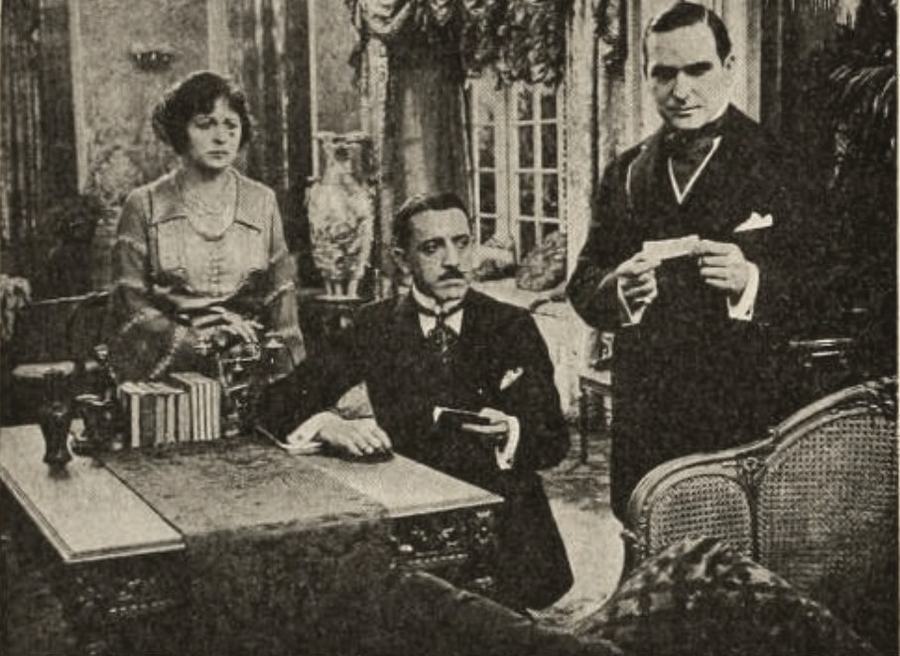
The Hawk, Count George De Dazetta, preys upon society with the aid of his beautiful wife. She seems to be in love with a young French nobleman, who is the real aggressor in this triangle. De Dazetta finds that the young nobleman's love for his wife is changing her for the better, that she begins to abhor his gambling profession and his inroads upon society. However, he continues to use her beauty as a lure to his gaming tables and wins heavily. In the meantime the nobleman breaks with a young woman aristocrat whom his mother wishes him to wed. During a transaction with an American from whom he borrows money to repay his gaming losses to De Dazetta the nobleman learns of the Hawk's love for his wife, and that she is helping her husband to win. Marina, the wife, washes her hands of the whole earning enterprise and is accused of infidelity by her husband, who tried to kill the nobleman. Failing, he leaves, and the nobleman protects the wife while attempting to locate the gambler and get his consent to a divorce. Finally this is effected, and Marina herself pleads for the divorce, that is until she learns that De Dazetta is now penniless, having lavished his every cent upon her and really loves her, and has consented to give her up only because he thinks it best for her future welfare. Her womanhood comes to the surface and she goes to him, renouncing the nobleman, her love for the latter having been without sin throughout.
Decades after its release, The Hawk remains a vital piece of the cinematic puzzle. Its influence can be seen in countless modern works, solidifying Paul Scardon's status as a master of the craft in United States and beyond.