
DbcultAccessing Vault...
Director's Spotlight
Senior Film Conservator
Director's Spotlight: United States
A Deep Dive into the 1916 Vision of Paul Scardon
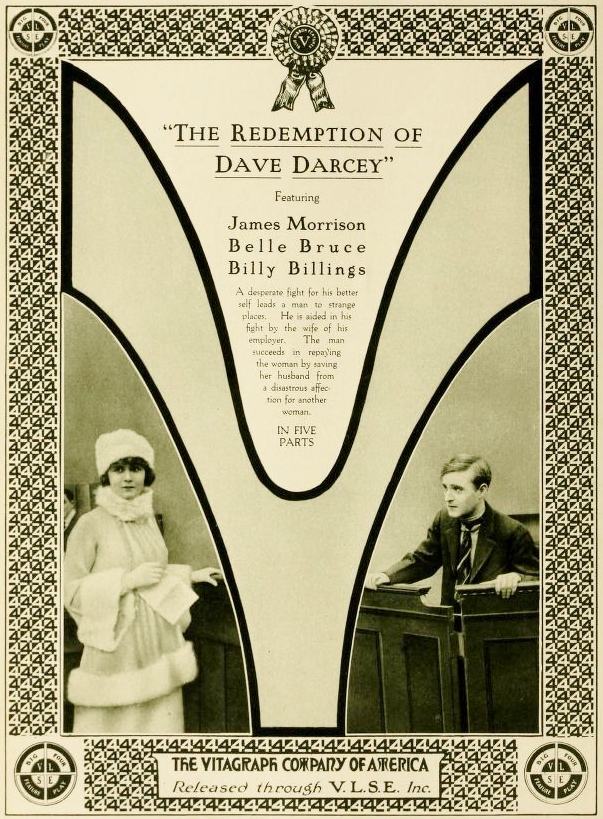
The artistic breakthrough represented by The Redemption of Dave Darcey in 1916 highlights the uncompromising vision of Paul Scardon that defines this cult masterpiece. In the context of United States's rich cinematic history, it captures a specific kind of cinematic magic that is rarely replicated.
In The Redemption of Dave Darcey, Paul Scardon pushes the boundaries of conventional narrative. The film's unique approach to its subject matter has sparked endless debates and interpretations among cinephiles and critics alike.
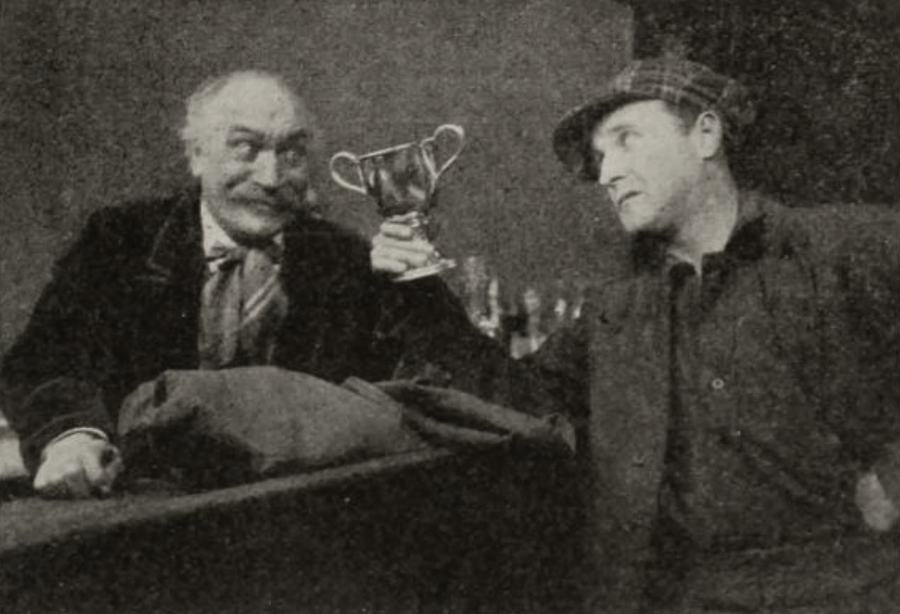
While deeply rooted in United States, The Redemption of Dave Darcey has achieved a global reach, influencing directors from various backgrounds. Its ability to translate cult tropes into a universal cinematic language is why it remains a cult staple decades after its 1916 release.
| Cinematography | Static |
| Soundtrack | Minimalist |
| Editing | Slow-Burn |
| Art Direction | Brutalist |
Visualizing the convergence of Paul Scardon's style and the core cult narrative.
After landing a big "haul," Dave Darcey, a crook, decides to spend part of his booty by holding a dance for his followers. Paddy Burns, leader of a rival faction, decides to settle an old score with Dave by breaking up the affair. On the night of the dance he goes at the head of his gang with the avowed intention to "get" Dave. In the struggle, Dave shoots Paddy and makes good his escape. He is seen by Phillip Brenton, the son of the owner of the steel works, who thinks he is there to rob the house and demands an explanation, Dave explains the whole affair to him, and Phillip gives him a chance to make good by giving him a job in the steel plant. Phillip's father is not so sure of Dave's reformation, and tests him by leaving a large roll of bills exposed. Dave sees the money and a struggle with his other self follows. The new Dave comes out the winner and he returns the money. The Baroness Von Ehrenstein, a secret agent for a foreign government, learns that the Benton Steel Works have accepted a huge war order for a nation hostile to her own. She gets permission from Phillip to visit the plant on the pretext of getting local color for a novel she is writing. Phillip personally guides her and her accomplices through the plant and they make a thorough study of the place. Phillip has become greatly interested in the Baroness and is neglecting his fiancée, Grace. The latter notices his continued absence and asks Dave the cause. The latter, in order to protect Phillip, tells her that it is business. Dave, suspicious of the Baroness, warns Phillip of her and his young employer resents his interference and discharges him. While Phillip is in a drunken stupor, the Baroness steals his office keys from him and gives them to her confederates who hasten to the steel works. Suspicious of their actions, Dave follows them and sees them plant bombs in the factory. He tries to foil them and a fight follows. Dave is finally subdued and is left, bound hand and foot, by the burning bombs. He rolls himself over to a saw and works frantically till he severs his bonds. He then starts to stamp out the fuses of the bombs, but one of them explodes and he is caught in the wreckage. The watchman, having seen part of the struggle, follows the conspirators. The police arrive at the scene and are closely followed by Phillip and his father. The latter accuses Dave of attempting to destroy his plant, and also charges him with the murder of Paddy Burns. The watchman returns with the real culprits and tells the true story, thus clearing Dave of guilt. One of the policemen then tell Dave that he need not fear of trial for murder, as Paddy is still alive, having been only slightly injured by the shot. Dave is acquitted of the charge of assault which he had to answer to for the shooting and returns to a better job with the Benton Steel Works. Phillip and Grace are reunited.
Decades after its release, The Redemption of Dave Darcey remains a vital piece of the cinematic puzzle. Its influence can be seen in countless modern works, solidifying Paul Scardon's status as a master of the craft in United States and beyond.