
DbcultAccessing Vault...
Director's Spotlight
Senior Film Conservator
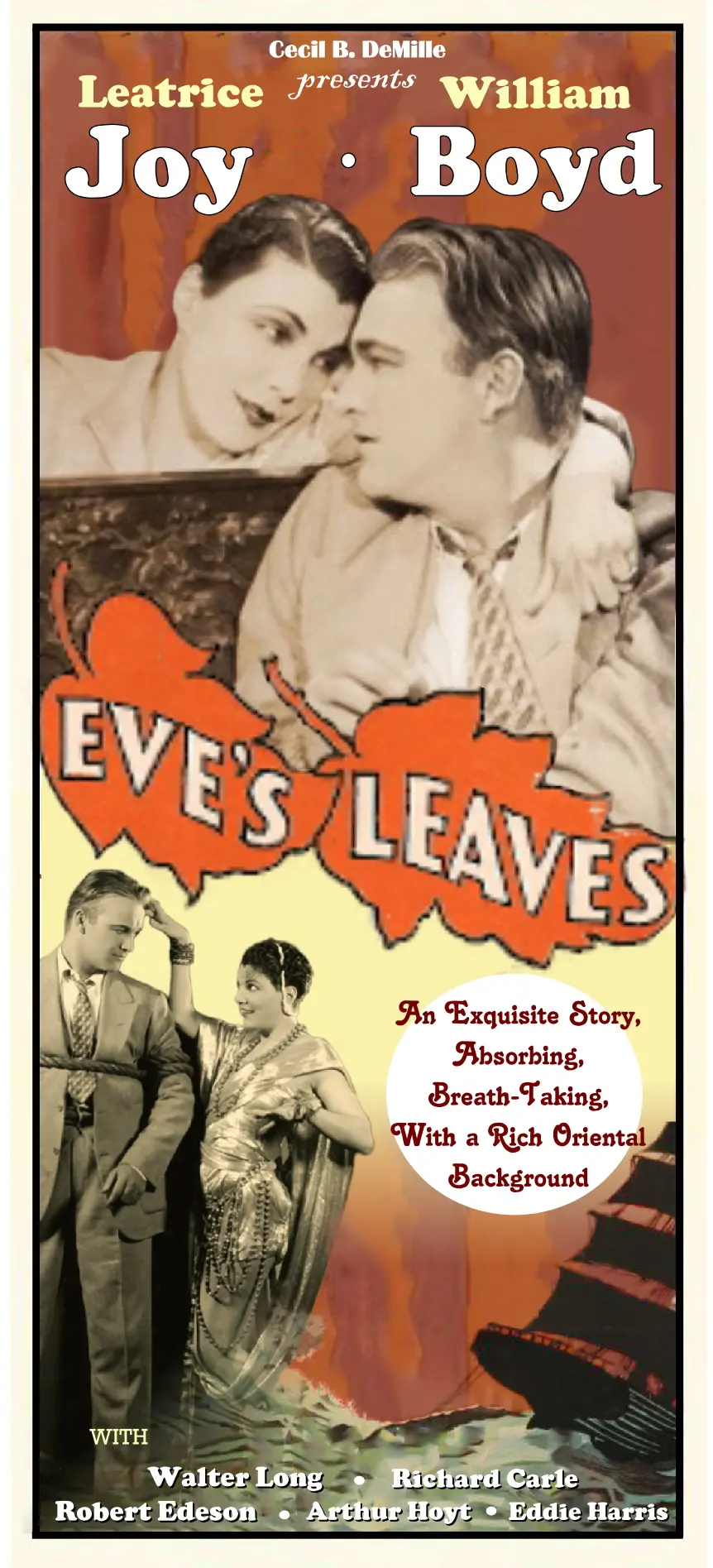
Director's Spotlight: United States
A Deep Dive into the 1926 Vision of Paul Sloane
To understand the modern evolution of United States film, one must first look at Eve's Leaves and the collaborative alchemy between Paul Sloane and the 1926 creative team. Subverting the expectations of the typical 1926 audience, it remains a vital reference point for anyone studying the evolution of Paul Sloane.
In Eve's Leaves, Paul Sloane pushes the boundaries of conventional narrative. The film's unique approach to its subject matter has sparked endless debates and interpretations among cinephiles and critics alike.
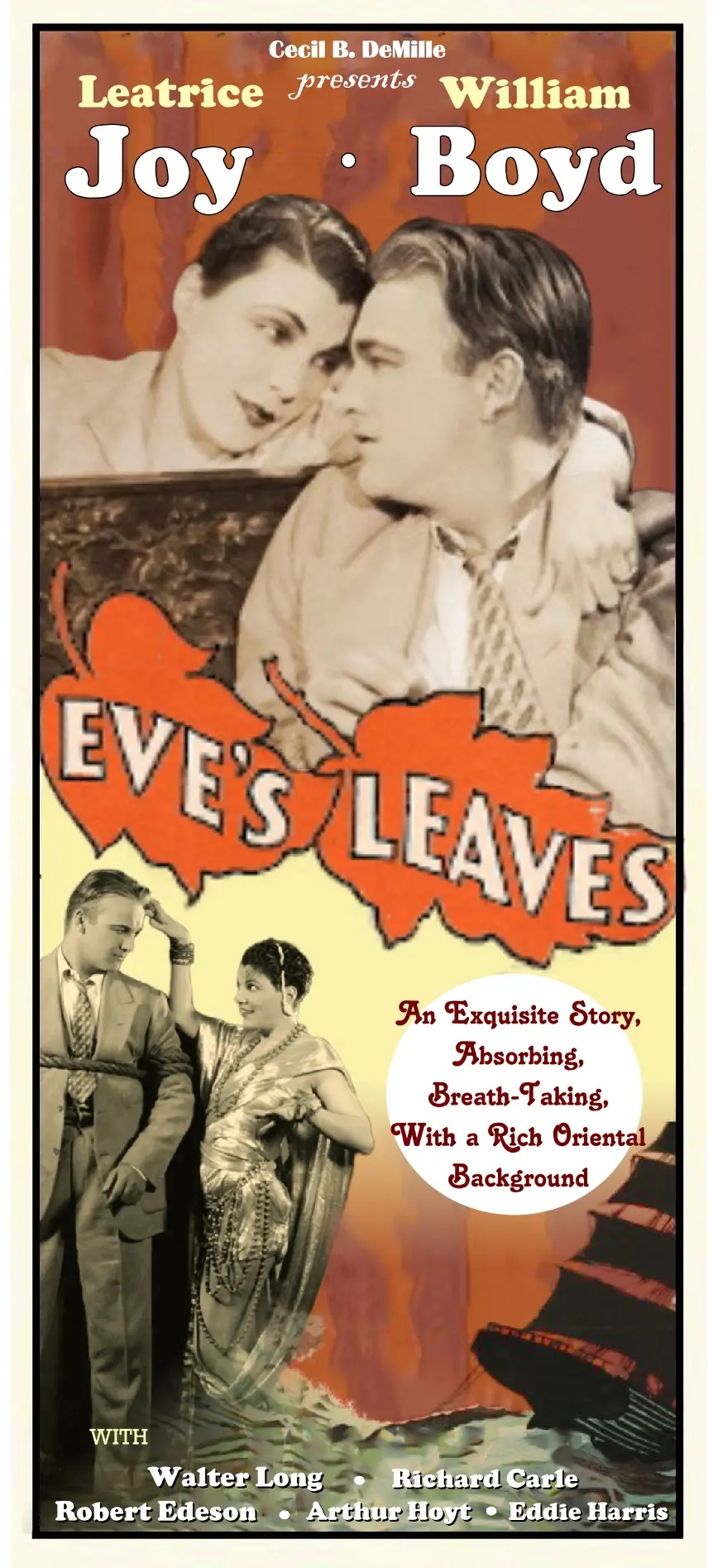
While deeply rooted in United States, Eve's Leaves has achieved a global reach, influencing directors from various backgrounds. Its ability to translate Romance tropes into a universal cinematic language is why it remains a cult staple decades after its 1926 release.
| Cinematography | Deep Focus |
| Soundtrack | Diegetic |
| Editing | Elliptical |
| Art Direction | Expressionist |
Visualizing the convergence of Paul Sloane's style and the core Romance narrative.
Eve, the boyish daughter of a freighter captain stationed in a Chinese port, is addicted to dime novels and romantic daydreams. Going ashore with her father, she meets Bob Britton, the son of a wealthy tea-planter, who teases her, thinking she is a boy. When Chang Fang, a Chinese pirate, stages a raid on the town, Eve uses the situation to shanghai Bob aboard her father's vessel, which is then taken by the pirates. Bob is taken to Chang's stronghold with Eve, who conceals herself in a large rug; when she reveals herself, Chang orders the room cleared, but she binds him hand and foot, as she did earlier to Bob. Eve and Bob escape, pursued by the pirate band. Chang is popped into a jar and ejected from a window by a missionary, who then reads psalms to Chang while Eve ropes him; drawn up to the window, Bob and Eve compel the missionary to marry them.
Decades after its release, Eve's Leaves remains a vital piece of the cinematic puzzle. Its influence can be seen in countless modern works, solidifying Paul Sloane's status as a master of the craft in United States and beyond.