
DbcultAccessing Vault...
Director's Spotlight
Senior Film Conservator
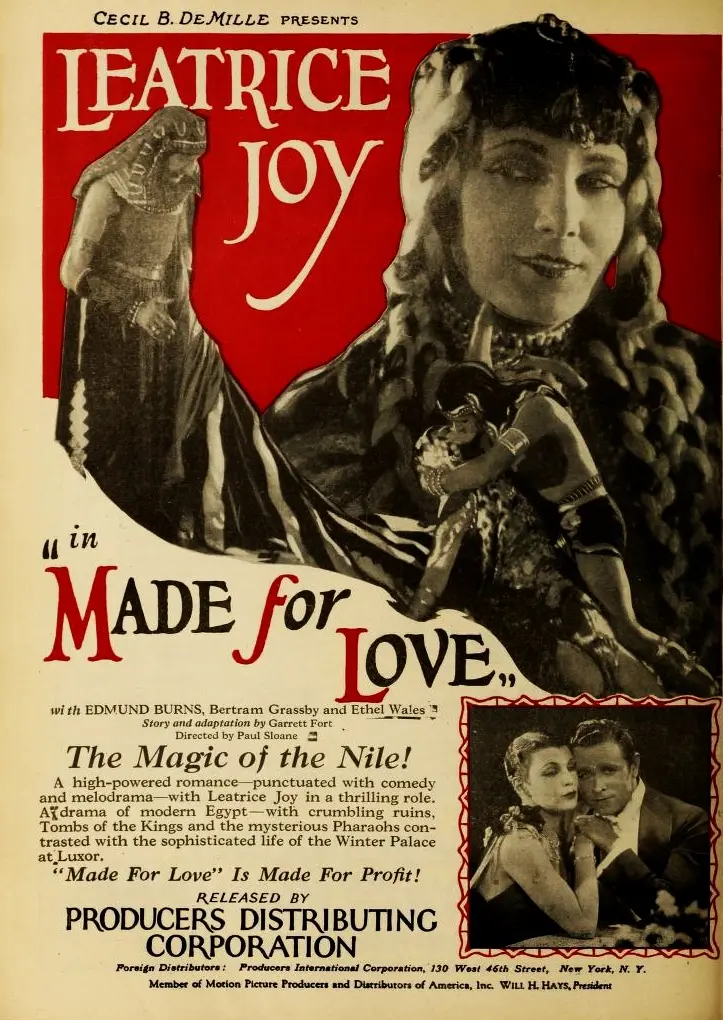
Director's Spotlight: United States
A Deep Dive into the 1926 Vision of Paul Sloane
In the storied career of Paul Sloane, Made for Love stands as a the atmospheric immersion that Paul Sloane achieves throughout Made for Love. Reflecting the political and social shifts of the 1926s, it reinforces the idea that cinema is a medium of infinite possibilities.
In Made for Love, Paul Sloane pushes the boundaries of conventional narrative. The film's unique approach to its subject matter has sparked endless debates and interpretations among cinephiles and critics alike.
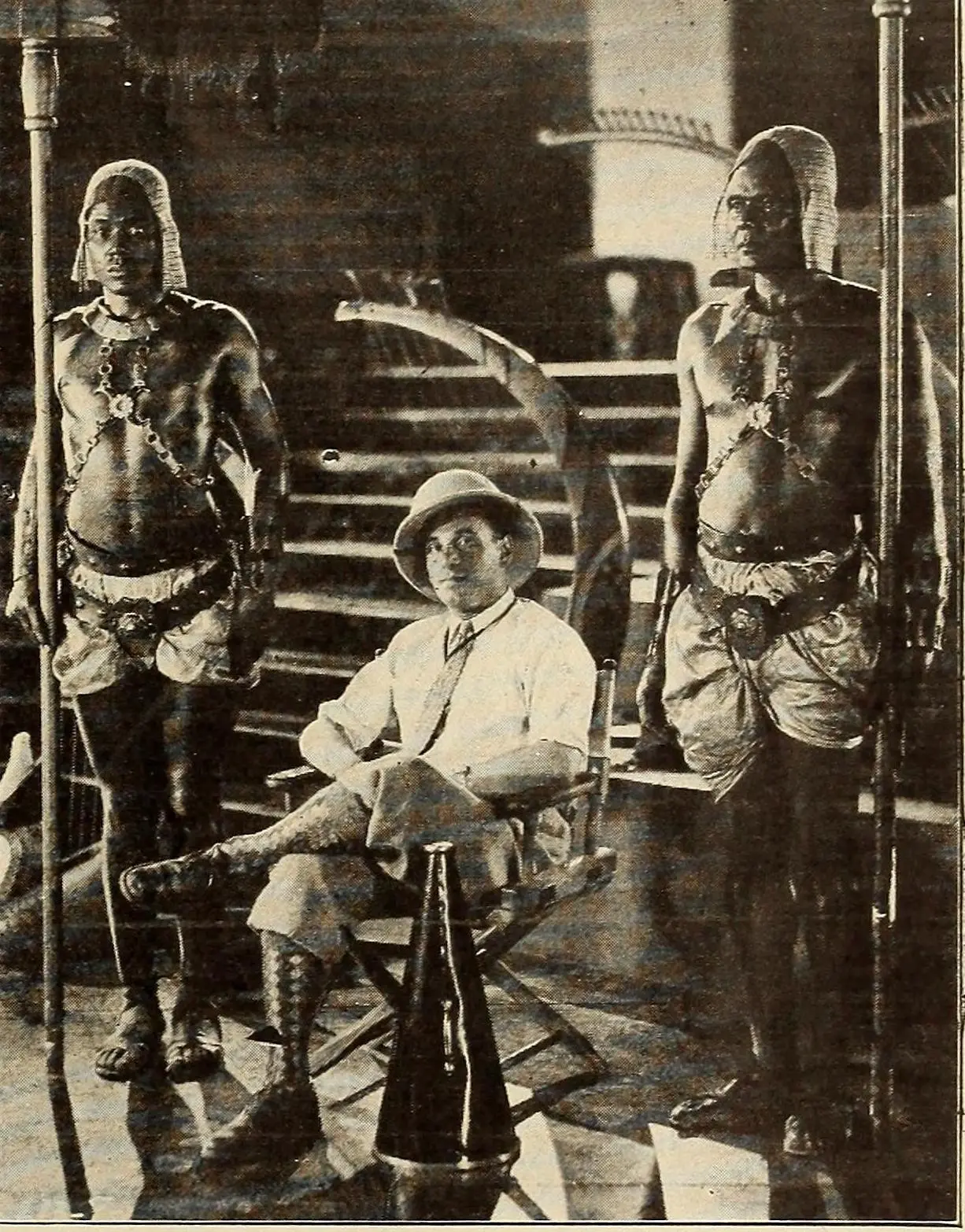
To fully appreciate Made for Love, one must consider the cinematic climate of 1926. During this period, United States was undergoing significant artistic shifts, and Paul Sloane was at the forefront of this Romance movement, often challenging established norms.
| Cinematography | Noir-Inspired |
| Soundtrack | Diegetic |
| Editing | Rhythmic |
| Art Direction | Naturalist |
Visualizing the convergence of Paul Sloane's style and the core Romance narrative.
A young woman visits her archaeologist boyfriend at the site in Egypt where he is digging up ancient artifacts. Her frustration mounts when it appears that he is more interested in old bones and mummies than he is in the fact that she's traveled thousands of miles to see him. However, there are three men at the site who don't share her boyfriend's attitude towards her, and they make their intentions known.
Decades after its release, Made for Love remains a vital piece of the cinematic puzzle. Its influence can be seen in countless modern works, solidifying Paul Sloane's status as a master of the craft in United States and beyond.