
DbcultAccessing Vault...
Director's Spotlight
Senior Film Conservator
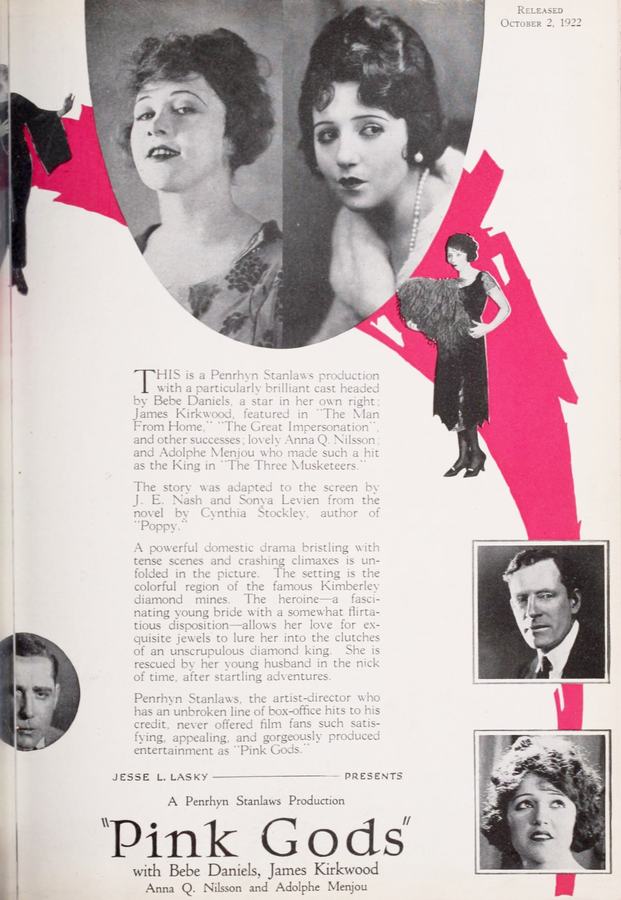
Director's Spotlight: United States
A Deep Dive into the 1922 Vision of Penrhyn Stanlaws
The Romance DNA of Pink Gods is a reflection of United States's the subversive storytelling techniques employed by Penrhyn Stanlaws in 1922. Breaking the traditional rules of Romance engagement, it leaves an indelible mark on the soul of the viewer.
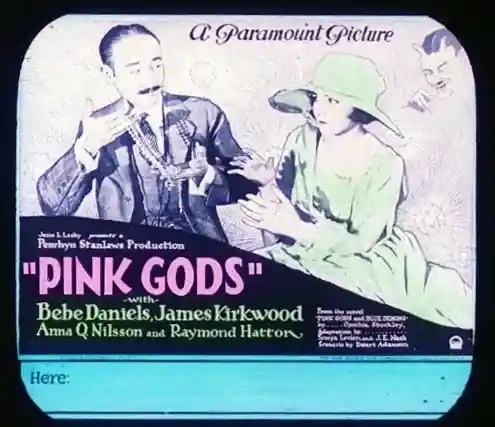
In Pink Gods, Penrhyn Stanlaws pushes the boundaries of conventional narrative. The film's unique approach to its subject matter has sparked endless debates and interpretations among cinephiles and critics alike.
| Cinematography | High-Contrast |
| Soundtrack | Orchestral |
| Editing | Invisible |
| Art Direction | Kitsch |
Visualizing the convergence of Penrhyn Stanlaws's style and the core Romance narrative.
John Quelch, the owner of vast diamond mines, is constantly fearful of theft and convinced that any woman will "sell her soul" for diamonds. He deals harshly with any employee caught stealing and has Lady Margot Cork watched while she is visiting Lorraine Temple. John and Margot fall in love, but she cancels their engagement when she learns of the "brutal" punishment of Jim Wingate for swallowing a diamond. John sees Lorraine's weakness and tempts her with a fortune in gems. She makes advances, but John repulses her with the explanation that he had intended only to show her the error of her ways. Wingate dynamites the mine and the mansion; Margot and Lorraine's husband arrive in time to hear Lorraine thank John for the lesson before she dies; Margot and John are reconciled. Conflicting synopses create doubt that Lorraine actually dies in the explosion.
Decades after its release, Pink Gods remains a vital piece of the cinematic puzzle. Its influence can be seen in countless modern works, solidifying Penrhyn Stanlaws's status as a master of the craft in United States and beyond.