
DbcultAccessing Vault...
Director's Spotlight
Senior Film Conservator
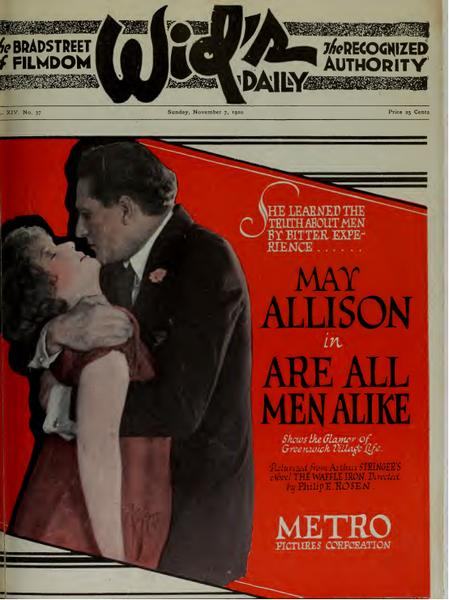
Director's Spotlight: United States
A Deep Dive into the 1920 Vision of Phil Rosen
Few works in United States cinema carry the same weight as Are All Men Alike?, especially regarding the cultural zeitgeist captured so perfectly by Phil Rosen in 1920. Utilizing a 1920-specific aesthetic that remains timeless, it serves as a blueprint for future generations of Romance directors.
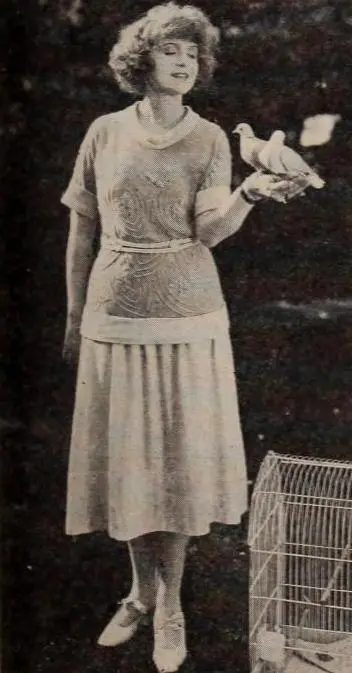
In Are All Men Alike?, Phil Rosen pushes the boundaries of conventional narrative. The film's unique approach to its subject matter has sparked endless debates and interpretations among cinephiles and critics alike.
| Cinematography | Noir-Inspired |
| Soundtrack | Experimental |
| Editing | Elliptical |
| Art Direction | Expressionist |
Visualizing the convergence of Phil Rosen's style and the core Romance narrative.
Tomboy socialite Theodora Hayden, known to friends as "Teddy," is an amateur aviatrix and racing car enthusiast. Relishing her freedom, Teddy spurns lawyer Gerry Rhinelander West, her childhood sweetheart, and runs away to Greenwich Village. There she meets model Ruby Joyce and Ruby's lover, boxer "Gunboat" Dorgan. She becomes the student of portraitist Raoul Uhlan, who tries to make love to her. Infuriated by the artist's audacity, Teddy has him beaten by Gunboat, who misinterprets her gratitude. Gunboat kisses Teddy, who repulses him, then borrows her car and strikes another auto. After tracing the car to its owner through the license plate number, the driver of the injured vehicle sues Teddy. Raoul then sues Teddy for injuries inflicted by Gunboat; and Ruby sues her for alienation of Gunboat's affection. When her family refuses to help her, Teddy turns to Gerry, who settles the suits and wins her hand.
Decades after its release, Are All Men Alike? remains a vital piece of the cinematic puzzle. Its influence can be seen in countless modern works, solidifying Phil Rosen's status as a master of the craft in United States and beyond.