
DbcultAccessing Vault...
Director's Spotlight
Senior Film Conservator
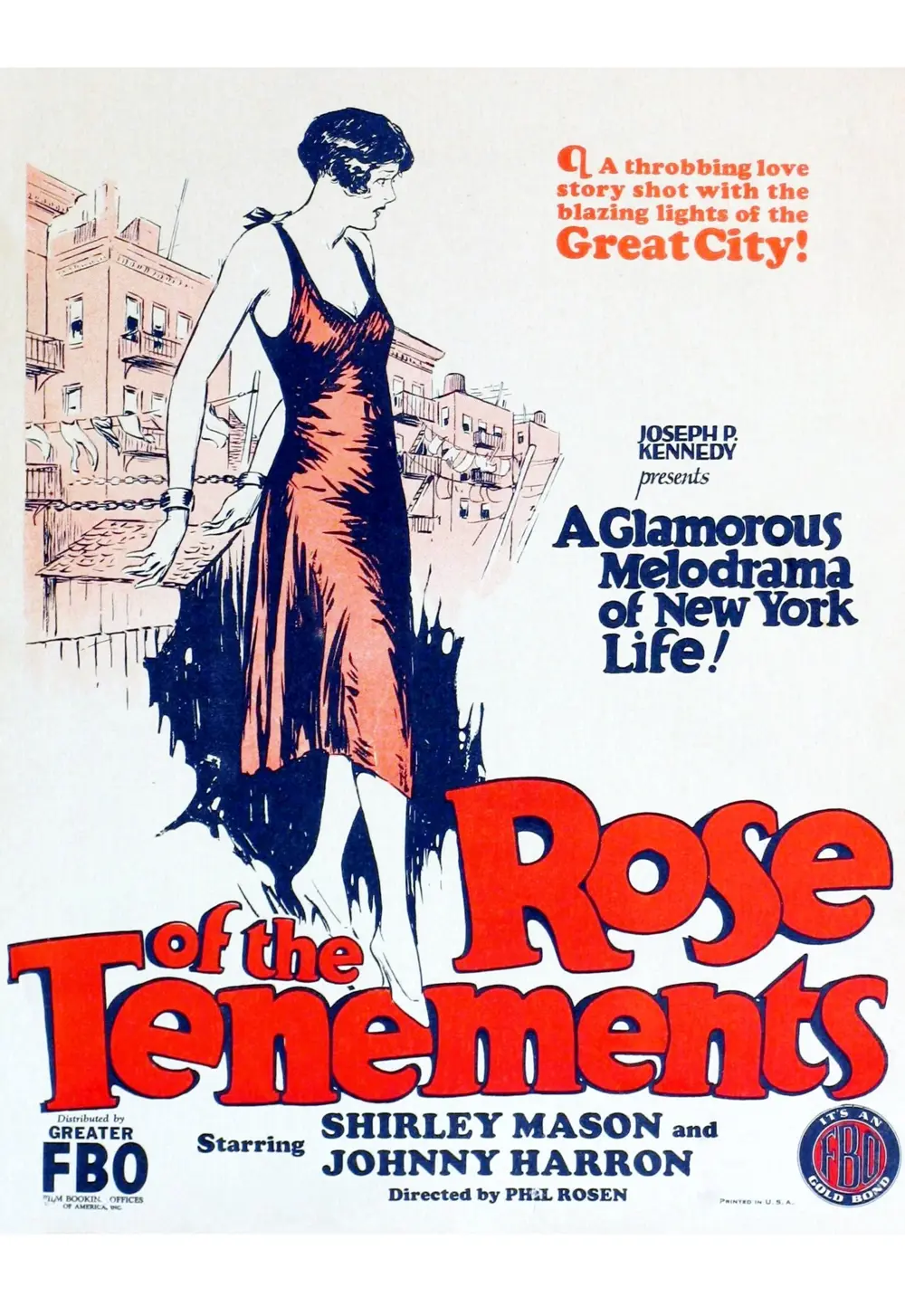
Director's Spotlight: United States
A Deep Dive into the 1926 Vision of Phil Rosen
In the grand tapestry of War cinema, Rose of the Tenements serves as a bridge between the bold experimentation that has become synonymous with Phil Rosen. Breaking the traditional rules of War engagement, it highlights the importance of independent voices in United States.
In Rose of the Tenements, Phil Rosen pushes the boundaries of conventional narrative. The film's unique approach to its subject matter has sparked endless debates and interpretations among cinephiles and critics alike.
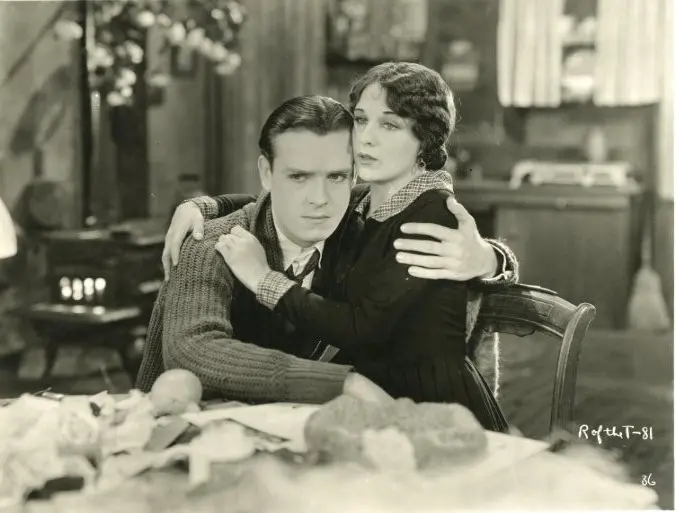
The visual language of Rose of the Tenements is defined by its use of shadows and framing, a hallmark of Phil Rosen's style. By utilizing a 1926-era palette, the film creates an immersive experience that perfectly complements its War themes.
| Cinematography | Handheld |
| Soundtrack | Experimental |
| Editing | Invisible |
| Art Direction | Kitsch |
Visualizing the convergence of Phil Rosen's style and the core War narrative.
Rose Rosetti, the orphaned daughter of a New York gangster, and Danny Lewis, another orphan, have been brought up by Sara and Abraham Kamisnsky, an elderly Jewish couple with an artificial-flower shop on the lower East Side. Rose works in the shop and Danny, after defeating the ward-bully in a fight, joins the political gang. The Kininskys die, having told Rose of her real parentage, and will the shop to Danny and Rose. Danny, saved from the gang by Rose, falls into the clutches of Willifsky, a Bolshevik agitator, and his co-worker, Emma Goldstein. Danny falls in love with Emma and she uses him for the "cause." When the war with Germany comes, Danny will not enlist into the army. Willifsky and Emma are attacked by a crowd while they are agitating and Danny, in helping them, assaults a policeman. He also prevents her from throwing a bomb, and, after Galligan, a ward-leader, gets him exonerated, decides to join the army.
Decades after its release, Rose of the Tenements remains a vital piece of the cinematic puzzle. Its influence can be seen in countless modern works, solidifying Phil Rosen's status as a master of the craft in United States and beyond.