
DbcultAccessing Vault...
Director's Spotlight
Senior Film Conservator
Director's Spotlight: United States
A Deep Dive into the 1926 Vision of Phil Rosen
The brilliance of The Adorable Deceiver (1926) is inseparable from the visionary mind of its creator, Phil Rosen. Serving as a mirror to the anxieties of a changing world, it persists as a haunting reminder of our own cinematic history.
In The Adorable Deceiver, Phil Rosen pushes the boundaries of conventional narrative. The film's unique approach to its subject matter has sparked endless debates and interpretations among cinephiles and critics alike.
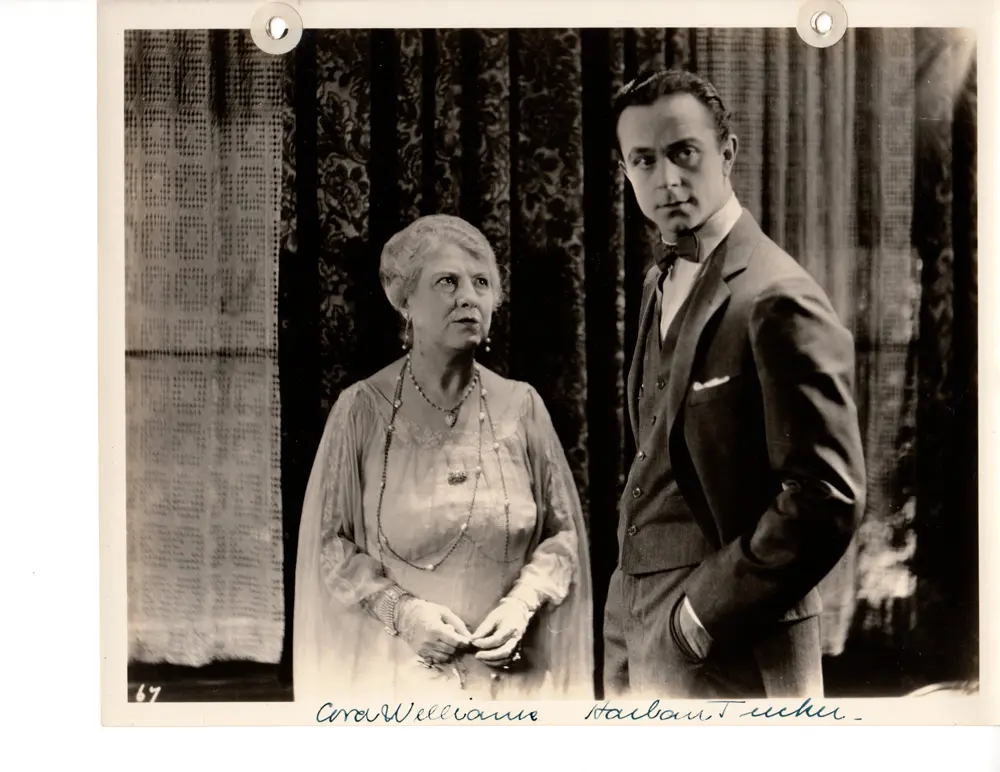
The visual language of The Adorable Deceiver is defined by its use of shadows and framing, a hallmark of Phil Rosen's style. By utilizing a 1926-era palette, the film creates an immersive experience that perfectly complements its Comedy themes.
| Cinematography | Deep Focus |
| Soundtrack | Diegetic |
| Editing | Rhythmic |
| Art Direction | Naturalist |
Visualizing the convergence of Phil Rosen's style and the core Comedy narrative.
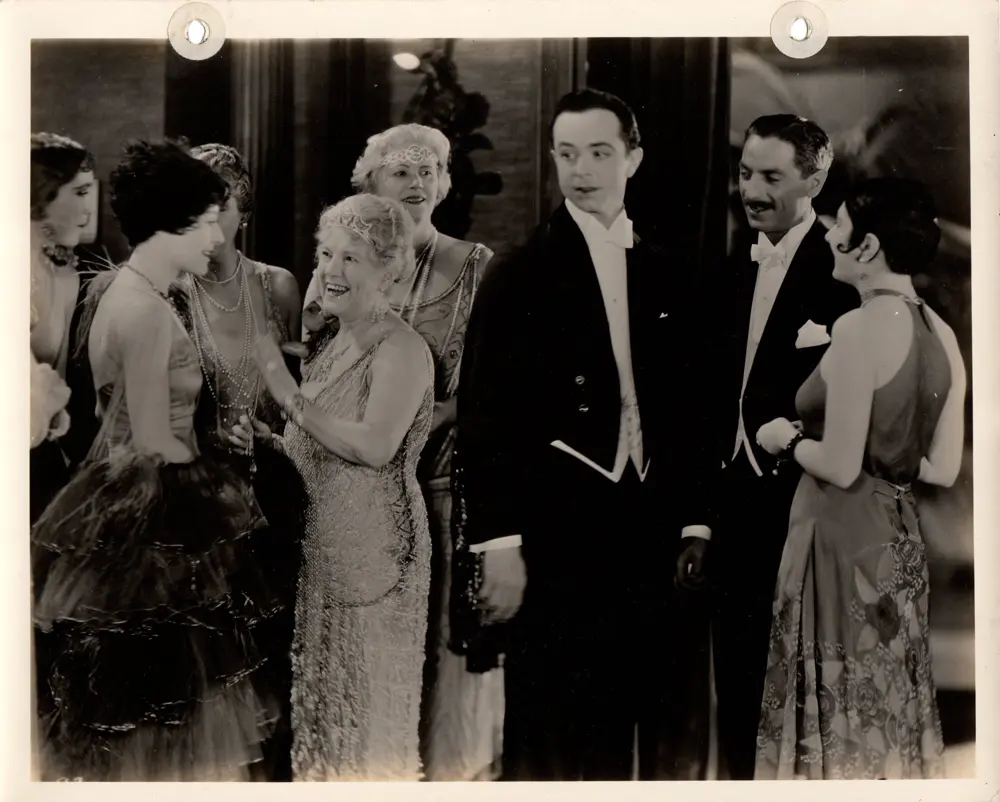
Nicholas, the king of a small Balkan state, Santa Maria, is forced to flee a revolution and he and his daughter, Princess Sylia, go to America. Sylvia brings the crown jewels. They are living incognito in an expensive suite in a New York City hotel but the proceeds from hocking the jewels aren't enough to maintain the standards they are trying to maintain, and they are forced to take lodging at the boarding house of Mrs. Schrapp. The landlady gets King Nicholas a job. While he is away, agents from the Republic of Santa Maria show up, and Sylvia flees and spends the night in a car in the showroom of an automobile agency. She tells the manager she is a super car seller, and he tells her to take care of a couple of shoppers. They are Tom Pettibone and his mother, who are trying to storm the gates of high society with their newly-acquired fortune. Tom becomes interested in Sylvia and introduces her at the country club as the Princess of Albania. Two crooks, Jim and Flo Doyle, are also in attendance masquerading of the King and Queen of Santa Maria.
Decades after its release, The Adorable Deceiver remains a vital piece of the cinematic puzzle. Its influence can be seen in countless modern works, solidifying Phil Rosen's status as a master of the craft in United States and beyond.