
DbcultAccessing Vault...
Director's Spotlight
Senior Film Conservator
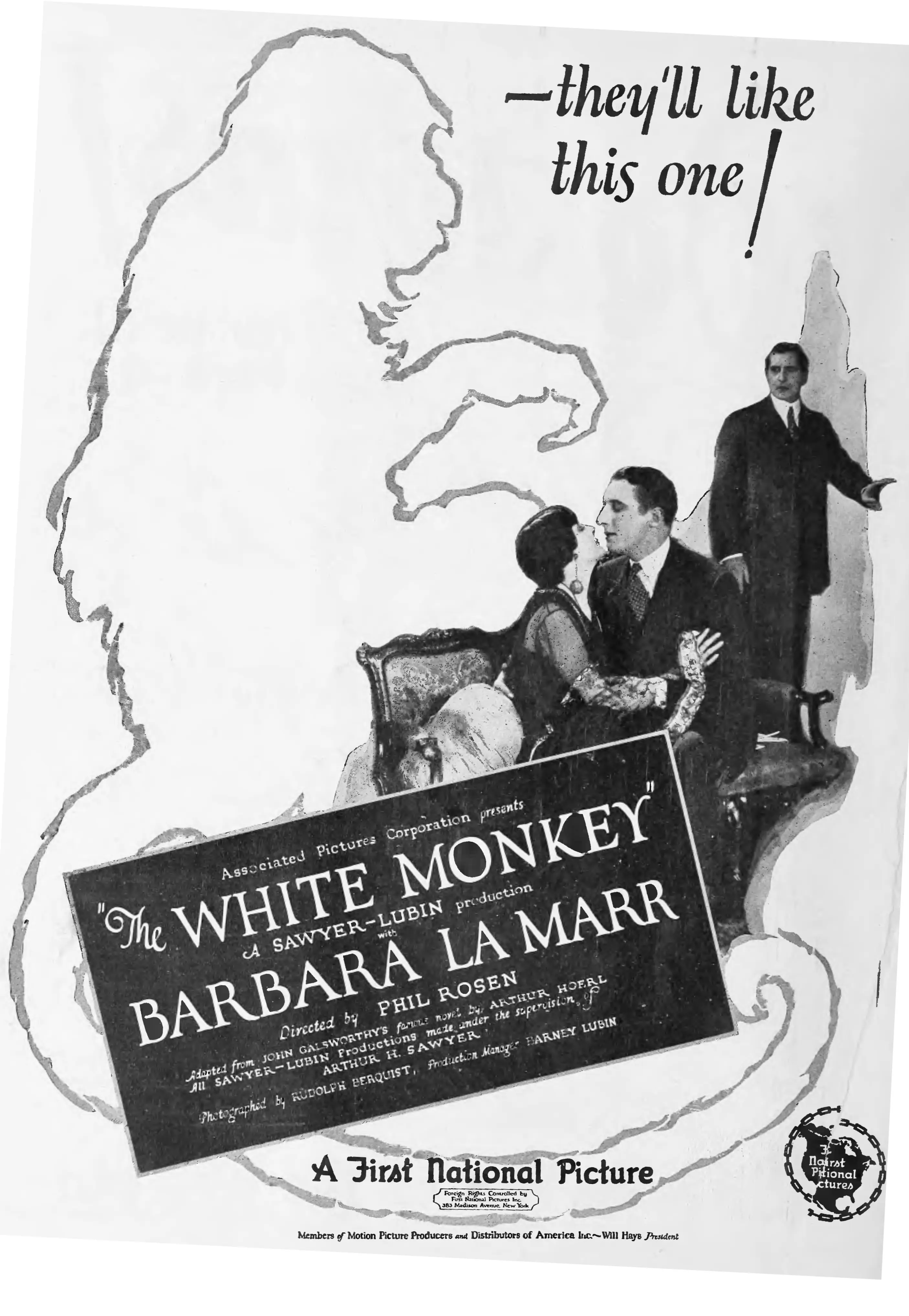
Director's Spotlight: United States
A Deep Dive into the 1925 Vision of Phil Rosen
When we examine the cinematic landscape of United States, The White Monkey emerges as a landmark work of the unique directorial voice that Phil Rosen brought to the screen. This film stands as a masterclass in visual storytelling, it demands to be seen by anyone who cares about the art of film.
In The White Monkey, Phil Rosen pushes the boundaries of conventional narrative. The film's unique approach to its subject matter has sparked endless debates and interpretations among cinephiles and critics alike.
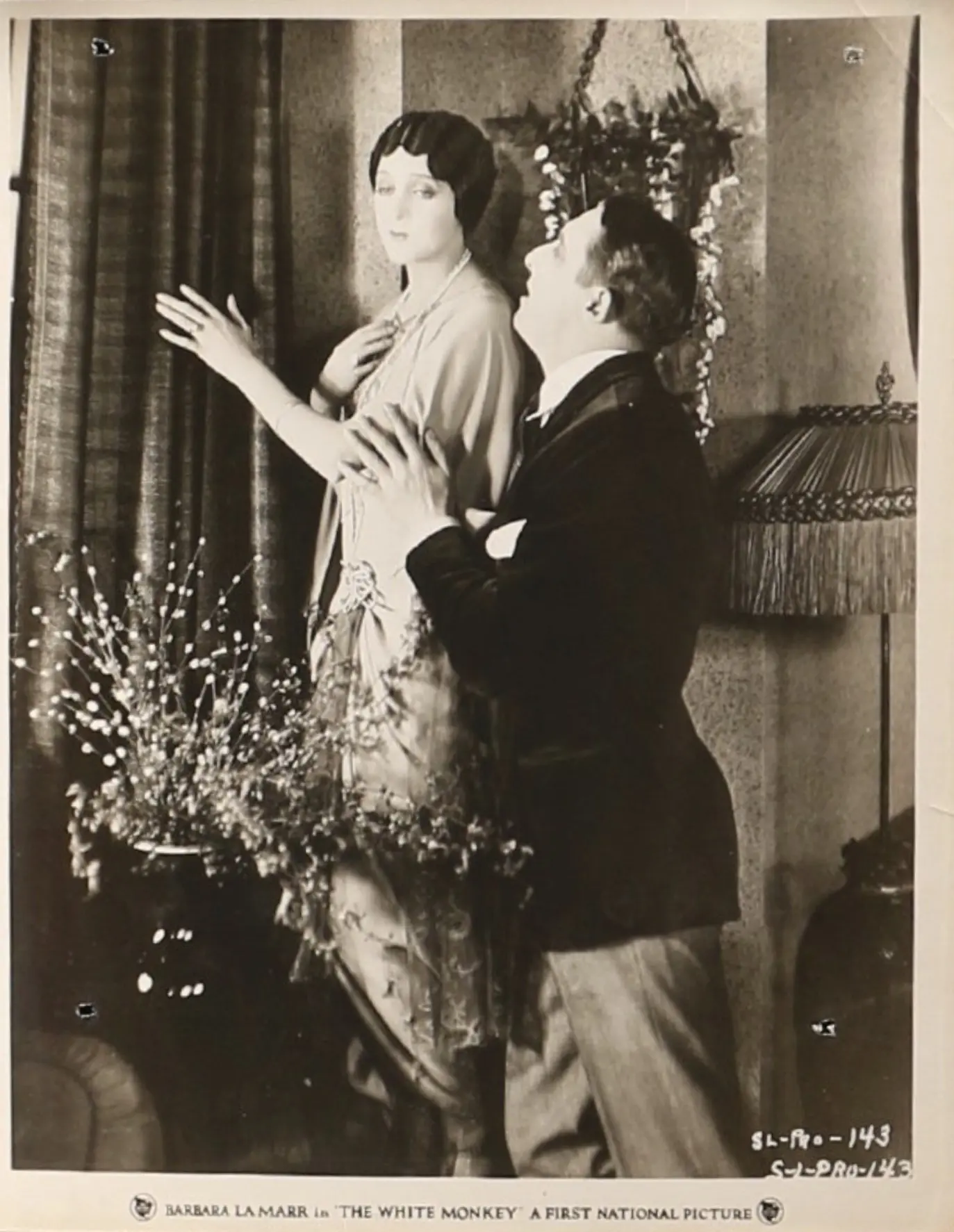
In this work, Phil Rosen explores the intersection of Drama and United States cultural identity. The meticulous attention to detail suggests a deep-seated commitment to pushing the boundaries of the medium, ensuring that The White Monkey remains a relevant topic of study for Drama enthusiasts.
| Cinematography | Static |
| Soundtrack | Orchestral |
| Editing | Invisible |
| Art Direction | Kitsch |
Visualizing the convergence of Phil Rosen's style and the core Drama narrative.
Fleur Forsyte marries Michael Mont, whose best friend, Wilfrid Desert, soon falls in love with her--a love she does nothing to discourage. Wilfrid tells Michael of his love for Fleur, indicating that he will do everything possible in the future to take her away from him. Michael confronts Fleur with Wilfrid's statement, and she professes to be ignorant of any wrongdoing. Michael fires Bicket, one of his shipping clerks, who was caught stealing books. When Bicket is reduced to selling balloons on the streets, his wife, Victorine, goes to Michael for help, and he sends her to Wilfrid, for whom she poses in the nude. Bicket learns about this situation and goes to Michael in a rage; together, the two men go to Wilfrid's studio, where Michael unexpectedly finds Fleur. She quickly assures Bicket that his wife has been faithful to him, for she herself was present each time Victorine posed for Wilfrid. But Michael believes that Fleur herself has been unfaithful, and he leaves her to Wilfrid. Fleur soon realizes that she loves only Michael and goes to him, asking to be taken back. Michael consents, but when Fleur tells him that she is pregnant, he is suspicious of the parentage until Fleur shows him a letter from Wilfrid that proves her fidelity.
Decades after its release, The White Monkey remains a vital piece of the cinematic puzzle. Its influence can be seen in countless modern works, solidifying Phil Rosen's status as a master of the craft in United States and beyond.