
DbcultAccessing Vault...
Director's Spotlight
Senior Film Conservator
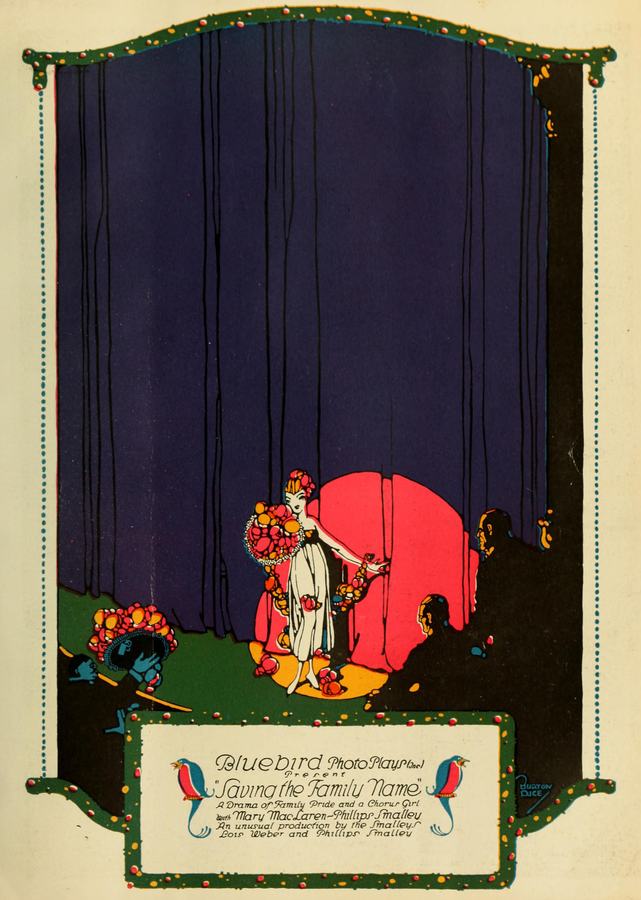
Director's Spotlight: United States
A Deep Dive into the 1916 Vision of Phillips Smalley
The 1916 release of Saving the Family Name marked a significant moment for the enduring legacy of Phillips Smalley's artistic contribution to the genre. By challenging the status quo of 1916 cinema, it has cemented its place in the global cult cinema archive.
In Saving the Family Name, Phillips Smalley pushes the boundaries of conventional narrative. The film's unique approach to its subject matter has sparked endless debates and interpretations among cinephiles and critics alike.
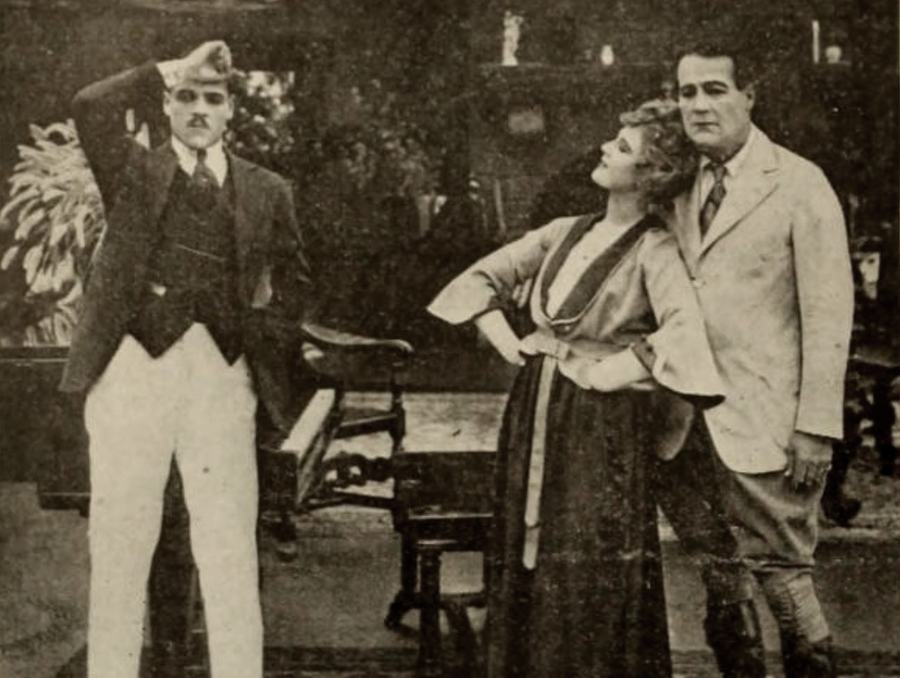
While deeply rooted in United States, Saving the Family Name has achieved a global reach, influencing directors from various backgrounds. Its ability to translate cult tropes into a universal cinematic language is why it remains a cult staple decades after its 1916 release.
| Cinematography | High-Contrast |
| Soundtrack | Synth-Heavy |
| Editing | Rhythmic |
| Art Direction | Naturalist |
Visualizing the convergence of Phillips Smalley's style and the core cult narrative.
Wally Dreislin commits suicide because his family disapproved of his romance with chorus girl Estelle Ryan, the newspapers, delighting in all the details of the affair, turn Estelle into a national celebrity. Fame only increases her power to attract men, and she soon is involved in a romance with Jansen Winthrop, another young man from a wealthy family. Jansen's alarmed mother then begs Robert, her other son, to end the relationship. Obediently, Robert kidnaps Estelle and takes her to a remote hunting lodge with plans to keep her there until she agrees to leave Jansen. After several weeks, however, Robert realizes that Estelle's reputation as a vamp has been completely engineered by the press. As a result, Robert sends for Jansen to retrieve his sweetheart, but when he arrives, Estelle announces that she has fallen in love with her abductor, and then begins a romance with him.
Decades after its release, Saving the Family Name remains a vital piece of the cinematic puzzle. Its influence can be seen in countless modern works, solidifying Phillips Smalley's status as a master of the craft in United States and beyond.