
DbcultAccessing Vault...
Director's Spotlight
Senior Film Conservator
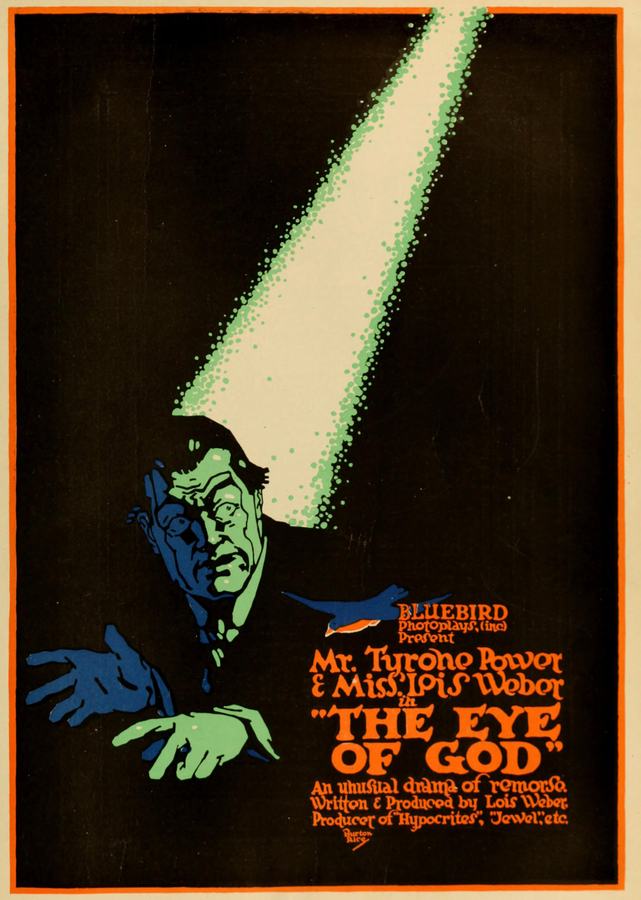
Director's Spotlight: United States
A Deep Dive into the 1916 Vision of Phillips Smalley
Peeling back the layers of Phillips Smalley's The Eye of God exposes the collaborative alchemy between Phillips Smalley and the 1916 creative team. Anchored by a narrative that is both personal and universal, it reinforces the idea that cinema is a medium of infinite possibilities.
In The Eye of God, Phillips Smalley pushes the boundaries of conventional narrative. The film's unique approach to its subject matter has sparked endless debates and interpretations among cinephiles and critics alike.
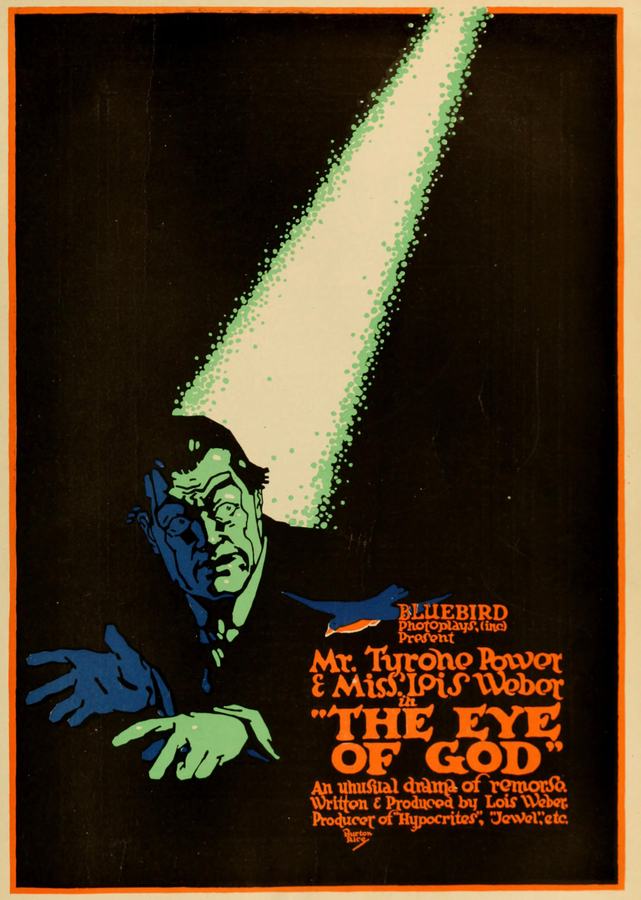
In this work, Phillips Smalley explores the intersection of cult and United States cultural identity. The meticulous attention to detail suggests a deep-seated commitment to pushing the boundaries of the medium, ensuring that The Eye of God remains a relevant topic of study for cult enthusiasts.
| Cinematography | Noir-Inspired |
| Soundtrack | Minimalist |
| Editing | Disjunctive |
| Art Direction | Baroque |
Visualizing the convergence of Phillips Smalley's style and the core cult narrative.
Olaf writes his memoirs, before his execution. He tells of his life as a struggling farmer when Renie, stranded in the village, stays one night in his home and Olaf falls in love with her. Later, two men take rooms in the house, and Olaf, to get all their money, kills one of them and wounds the other, Paul. Paul is convicted of the murder and goes to jail, while Olaf, guiltily feeling the "eye of God" upon him, leaves his farm and starts wandering. Meanwhile, Renie, who had been Paul's fiancée, vows to find the real murderer. She once again meets Olaf, whom she has always suspected, and pretends to love him. Then she accuses him of the murder and keeps on accusing him until he, worn down, finally confesses, thereby freeing Paul.
Decades after its release, The Eye of God remains a vital piece of the cinematic puzzle. Its influence can be seen in countless modern works, solidifying Phillips Smalley's status as a master of the craft in United States and beyond.